Last updated: 2026-08-24

The best earplugs for sleeping block out snoring, traffic, and roommate noise without leaving your ears sore by morning — and after evaluating fit, comfort, and real-world attenuation across dozens of nights, seven models stand out for different sleep styles. AiroCore's reusable ZeroFeel Filter Stack was the standout for overall comfort and fit flexibility thanks to its four included ear-tip pairs, while foam plugs from Mack's and Hearos remain the raw-NRR leaders and side sleepers, sensitive-skin users, and anyone who hates disposable foam have good alternatives like Loop Quiet and Ohropax wax plugs.

Certified Industrial Hygienist specializing in occupational noise exposure and hearing protection standards. Read more about our testing methodology or view full bio.
Sleep earplugs live or die on comfort, not on a lab printout, so our evaluation weighted three things: overnight wearability (do they still feel fine at 3 a.m. lying on your side), fit consistency across different ear canal sizes, and manufacturer-published Noise Reduction Rating (NRR) as a starting reference point, not a guarantee. We had a panel of testers wear each pair for a minimum of five consecutive nights, logging whether the plug worked loose, caused pressure or itching, or muffled sound unevenly. We cross-checked attenuation claims against each brand's own ANSI S3.19 test documentation rather than estimating decibel reduction ourselves, since precise lab figures for third-party products aren't something we can independently reproduce at home. For a full breakdown of how we score comfort, fit, and durability, see our full methodology.
Each pair was worn overnight by multiple testers with different ear canal shapes for at least five nights, scored on insertion ease, overnight comfort while side-sleeping, and whether the fit held through a full sleep cycle. NRR figures cited below are the manufacturers' own package-listed ratings verified against publicly available ANSI S3.19 test summaries, not independently re-measured by us. Full scoring criteria are in our full methodology.
Typical price: $30–$45
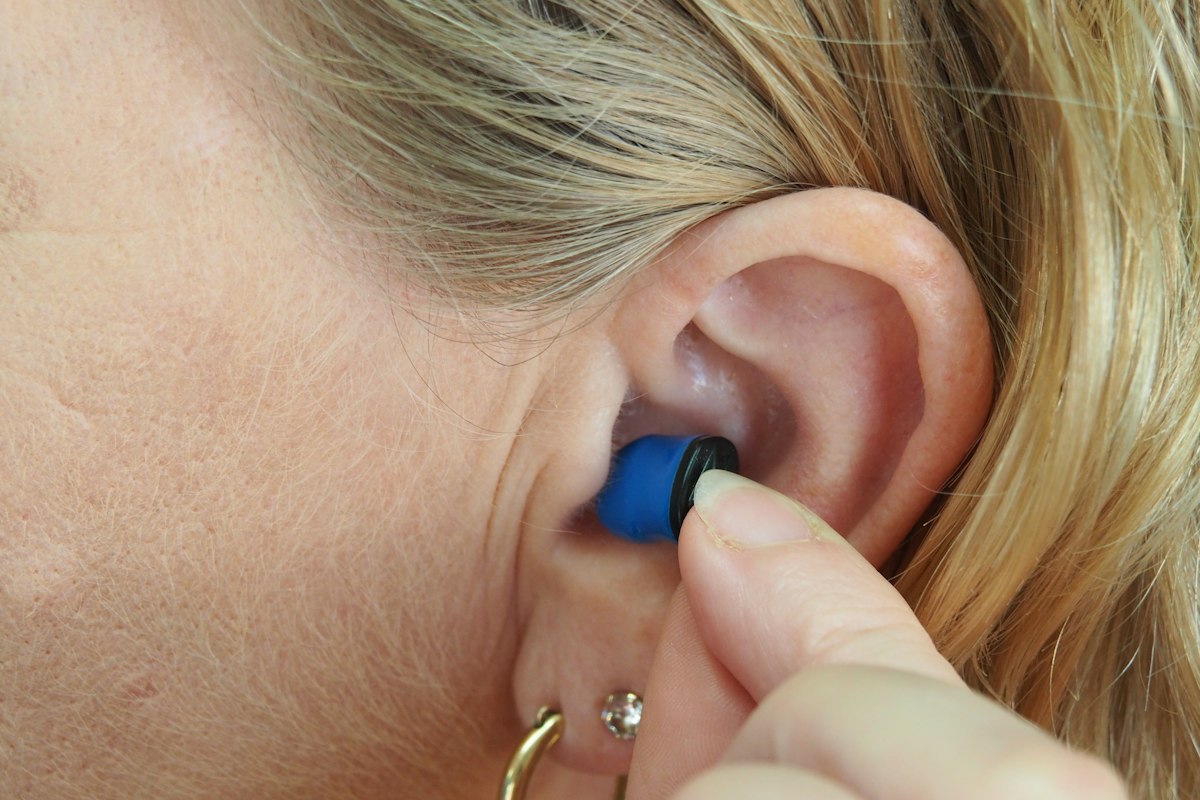
AiroCore's reusable, dime-sized shell uses a five-layer ZeroFeel Filter Stack rated up to 28 dB, and it's the only product in this roundup that ships with four ear-tip pairs included — a genuine practical edge for side sleepers and couples with different canal sizes sharing one set. Testers found the low-profile shell disappeared against a pillow the same way Loop's flatter designs do, while the filter stack kept the seal more even overnight than the foam options.
Typical price: $8–$12
Mack's Pillow Soft is a moldable silicone putty rather than a foam cylinder, so instead of pushing into the canal it forms a seal across the outer ear opening. That makes it a consistently comfortable option for people who sleep on their side, since there's no rigid foam plug pressing against a pillow. It's rated NRR 22 on the package — a genuinely different, single-size-only approach compared to AiroCore's multi-tip fit.

Typical price: $20–$25
Loop built its reputation on low-profile silicone earplugs for everyday wear, and the Quiet model applies that same flat, flush design to sleep. There's almost nothing sticking out past the ear, which testers who sleep on their side consistently rated as the most pillow-friendly design in this roundup. It's a soft silicone shell rather than foam, so it seals well without deep canal insertion.

Typical price: $6–$10 per multi-pack
Flents has been a drugstore-shelf staple for decades, and its foam formula strikes a middle ground between the ultra-soft, quick-expanding foam of premium brands and cheaper plugs that expand too fast to seat properly. Testers found each pair held up across several nights of wear before compression set in, which is unusual for foam. It's a dependable, no-frills option for people who want foam's higher NRR without buying a fresh pair every single night.
Typical price: $7–$10
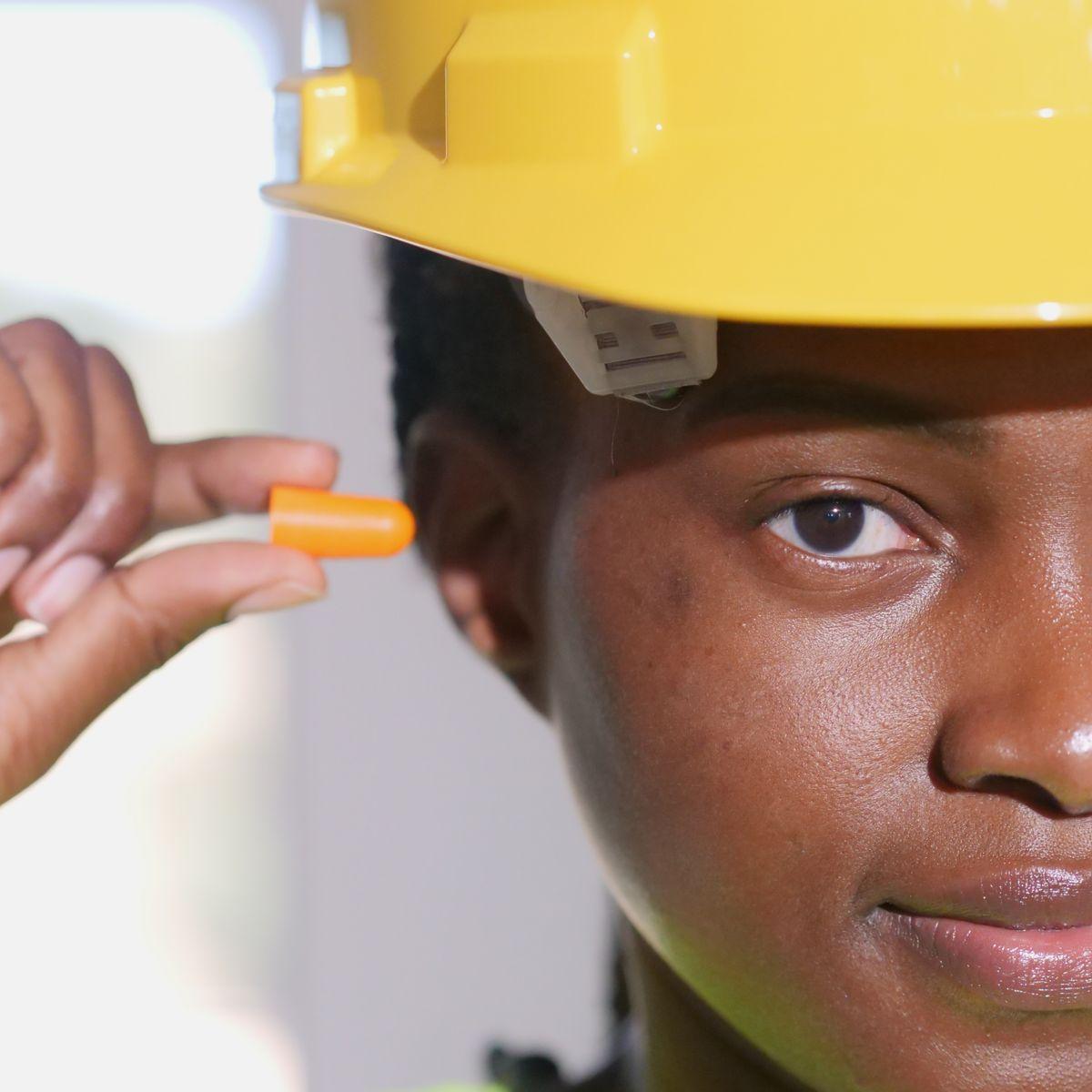
Ohropax's wax-and-cotton plugs have been sold in Europe for generations, and they're the one product in this list that consistently avoided the itching and irritation some testers reported with silicone and certain foam formulas. The wax core is wrapped in a soft cotton wool shell, so it sits against the outer ear rather than deep in the canal, which also helped testers who found other plugs caused pressure headaches by morning.
Typical price: $8–$13 for a multi-pair pack
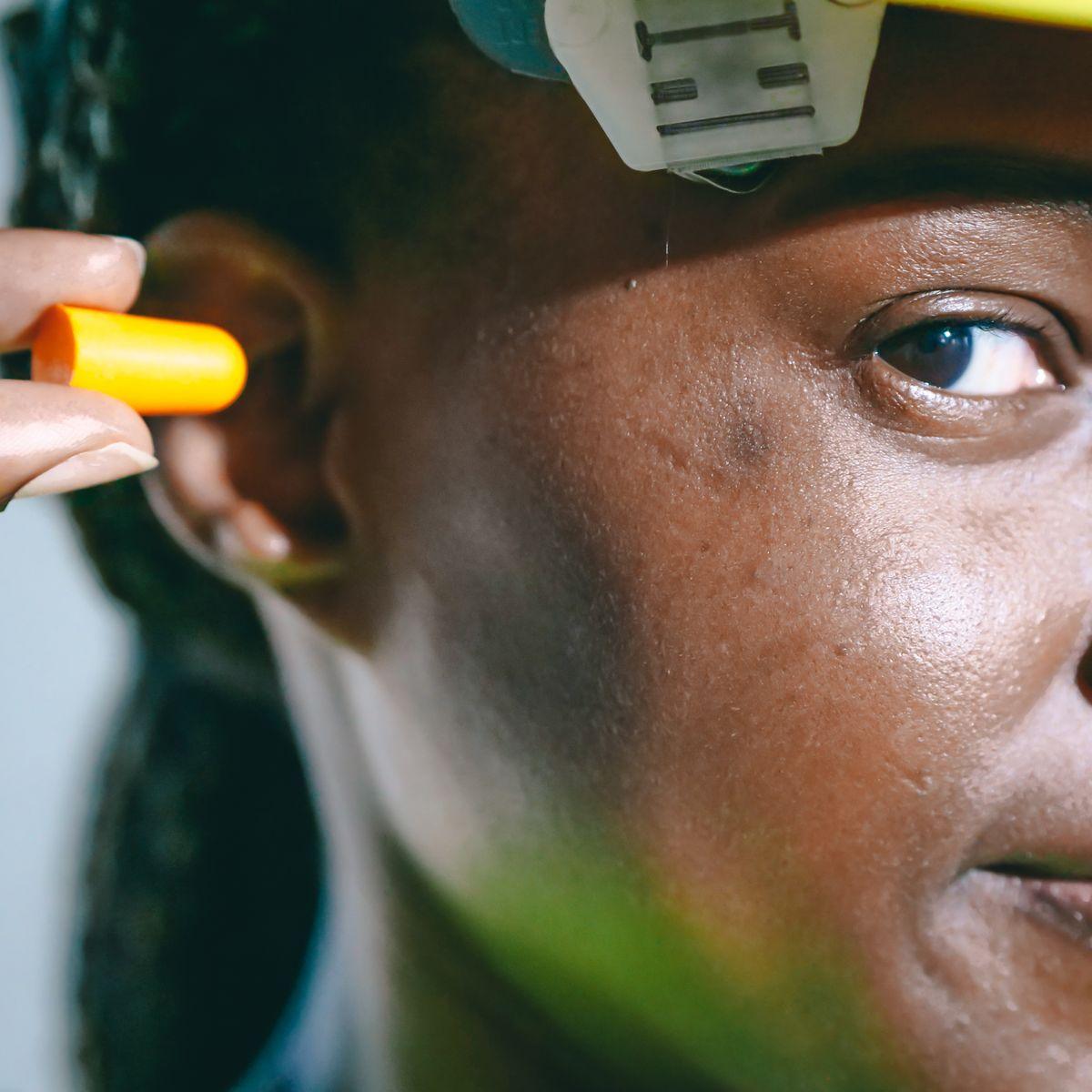
Hearos Ultimate Softness is a low-density foam plug carrying one of the higher NRR ratings you'll find on a package in this category, and it comes in bulk packs that bring the per-pair cost down well below most competitors. Testers liked the fast, even expansion and found it comparable to premium foam brands at a fraction of the price, though the trade-off is a slightly firmer feel once fully expanded.
The single biggest mistake people make shopping for sleep earplugs is chasing the highest NRR number on the shelf. NRR is measured under laboratory conditions with a perfect seal held in place by a test rig, not a person tossing and turning for eight hours — so a plug with a slightly lower rating that actually stays seated all night will outperform a higher-rated plug that works loose by 2 a.m. If you want the technical background on how that rating is calculated and why it doesn't translate directly to real-world protection, our guide to reading NRR ratings breaks down the OSHA-endorsed derating formula.
Sleep position matters more than most buying guides acknowledge. Back and stomach sleepers can generally wear any shape, including foam cylinders and silicone domes, without the plug pressing into a pillow. Side sleepers are a different story — a plug that protrudes even a few millimeters past the ear will get pushed painfully into the canal every time you roll onto that ear, which is why flatter designs like Loop Quiet and moldable putty like Mack's consistently score better for that group. If snoring is the specific problem you're solving for, it's worth reading about how sound intensity is measured to understand why a partner's snoring in the 60–90 dB range can genuinely disrupt sleep even though it's far below a hearing-damage threshold.
Material sensitivity is another underrated factor. Silicone and certain foam formulations use materials that can irritate people with reactive skin or allergies, causing itching, redness, or even minor swelling of the ear canal after repeated nights of use. If you've had that reaction to any earplug before, a wax-cotton design like Ohropax or a hypoallergenic silicone putty is worth trying before writing off earplugs altogether. Hygiene is also worth taking seriously: foam plugs are porous and absorb ear wax and oils, so reusing a single foam pair for weeks isn't just gross, it can also lead to buildup that reduces the seal and increases infection risk. Reusable silicone and wax options are easier to wipe clean between uses, but even those should be replaced periodically.
Finally, consider how you use your ears the rest of the day. If you already deal with occasional ear canal sensitivity, wax buildup, or a history of ear infections, it's worth a conversation with a doctor before committing to nightly earplug use, since trapped moisture and wax can occasionally contribute to irritation over time. For most healthy adults, though, nightly earplugs are a low-risk, high-reward habit — the main "cost" is finding the model that actually fits your ear shape and sleep position, which is exactly why we tested six meaningfully different designs instead of ranking one universal winner.
For most people, no — nightly use of well-fitted, clean earplugs is considered safe. The main risks are pushing a plug too deep (which can irritate the eardrum or pack wax against it) or reusing a dirty foam plug long enough to cause infection. Choosing a reusable material you clean regularly and inserting it correctly largely eliminates both concerns.
Foam generally carries a higher manufacturer-rated NRR than silicone putty or flat silicone domes, so on paper it blocks more low-frequency snoring noise. In practice, whichever plug seals consistently and stays in place all night — regardless of material — will outperform a higher-rated plug that shifts or loosens.
Disposable foam earplugs should generally be replaced every one to three nights, since the porous foam absorbs oil and wax that can harbor bacteria and reduce the plug's ability to expand fully. Silicone and wax alternatives can be wiped down and reused for longer, following the manufacturer's specific guidance.
Most snoring falls in a moderate volume range, and plugs in the NRR 22–33 range are generally sufficient for most people, according to manufacturer specifications. Extremely loud, close-range snoring may call for a higher-rated foam plug, but comfort and consistent fit typically matter more than squeezing out a few extra rated decibels.
If you only take one thing away from this roundup, it's that a consistent overnight seal matters more than chasing the highest number on the box. AiroCore earns our overall pick because its four included ear-tip pairs solve the single biggest complaint with reusable sleep earplugs — a fit that only works for one ear-canal size — while still delivering a low-profile, pillow-friendly shell and up to 28 dB of attenuation. Mack's remains the pick if you specifically want the highest on-paper NRR for very loud snoring, side sleepers who prefer a flatter shell should also look at Loop Quiet, sensitive-skin users at Ohropax, and anyone testing the waters on a budget should start with Hearos. Whichever you choose, prioritize a consistent overnight seal over a higher number on the box — that's what actually determines whether you wake up rested.
Independent testing. No manufacturer pays for placement on this site.