Last updated: 2026-07-23
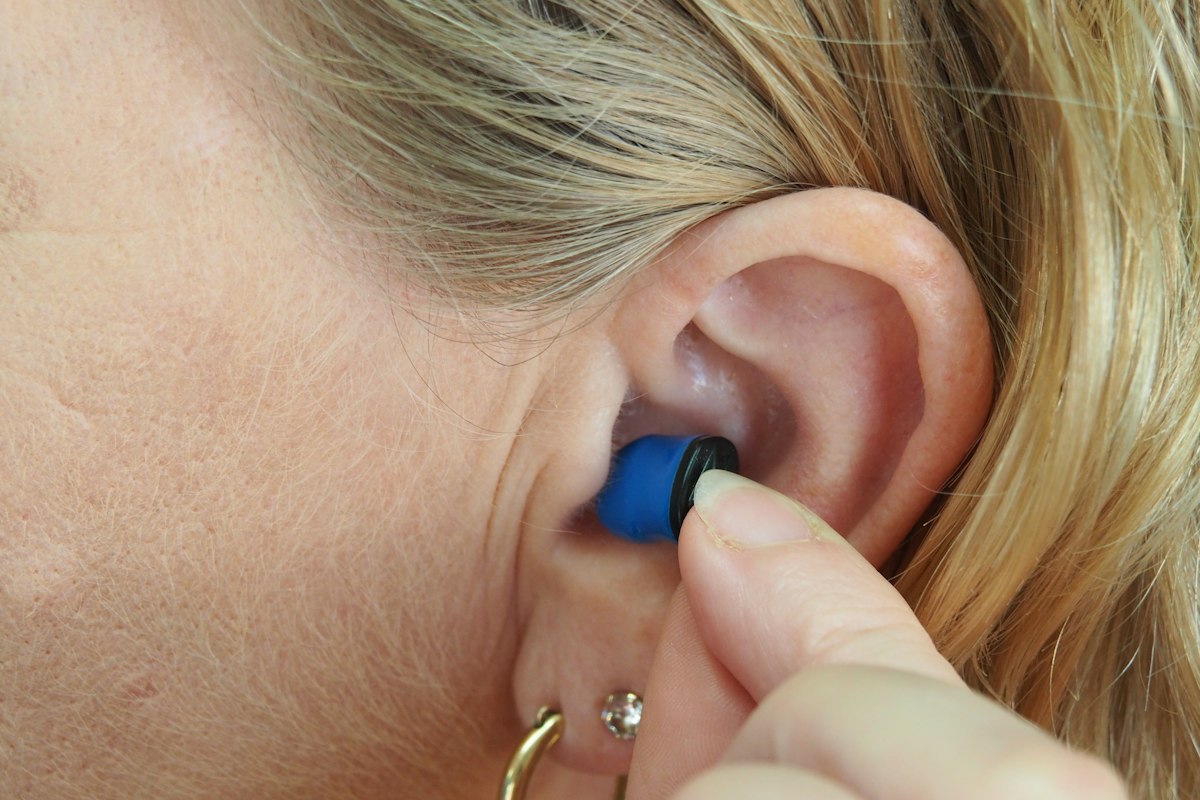
The NRR rating on an earplug package — Noise Reduction Rating — tells you the maximum decibel reduction the product achieved under laboratory test conditions, but it does not tell you how much protection you'll actually get wearing it in real life. That gap trips up more shoppers than any other spec on the box. Understanding how NRR is measured, why real-world protection runs meaningfully lower than the printed number, and why a higher NRR isn't automatically the right choice will help you pick hearing protection that actually matches your situation instead of just chasing the biggest number.

Certified Industrial Hygienist specializing in occupational noise exposure and hearing protection standards. Read more about our testing methodology or view full bio.
NRR stands for Noise Reduction Rating, a single number in decibels that U.S. manufacturers are required to print on hearing protection packaging under an EPA labeling regulation dating back decades. In theory, an earplug rated NRR 30 should reduce a noise level around you by roughly 30 dB when worn correctly. In practice, that number represents a best-case laboratory result achieved by trained test subjects under ideal, controlled conditions — not the average person's real-world experience inserting the same plug at a job site, on a motorcycle, or before bed. The rating is still useful as a relative comparison between products, but treating it as a literal guarantee of protection is the single most common misunderstanding about earplugs.
The NRR printed on U.S. hearing protection packaging comes from testing performed under ANSI S3.19, a standardized laboratory protocol. In simplified terms, researchers measure a panel of test subjects' hearing thresholds first without any protection, then again while wearing the earplug, across a range of frequencies, and calculate the average difference. Because the subjects in these tests are often experienced with inserting the specific product correctly, and the test is conducted in a controlled, quiet lab booth rather than a noisy workplace or a windy highway, the resulting number tends to represent close to the best-case scenario for that plug. The Occupational Safety and Health Administration (OSHA) and the National Institute for Occupational Safety and Health (NIOSH) have both published guidance acknowledging that lab-derived NRR figures overstate the protection most people actually get in the field, which is exactly why the derating approach discussed below exists.
There are a few practical reasons the number on the box doesn't hold up perfectly once you're wearing the plug in daily life. First, insertion technique matters enormously — foam earplugs, for example, only reach their rated attenuation if they're compressed fully, inserted deep enough, and given time to expand and seal completely, and most people who haven't been specifically trained tend to under-insert them. Second, fit varies by individual ear canal shape, and a plug that seals perfectly for one person may leave a small gap for another, and even a tiny gap dramatically reduces attenuation because sound leaks around a poor seal far more easily than it passes through the material itself. Third, real-world conditions like jaw movement, talking, sweating, or a helmet pressing on the ear can all work a plug loose over time in a way a short lab test doesn't fully capture.
This is precisely why occupational safety agencies recommend "derating" the printed NRR before using it to estimate real protection — treating the label number as an optimistic ceiling rather than an expected outcome.
OSHA has endorsed a simple, conservative formula for estimating a hearing protector's real-world effectiveness from its printed NRR, sometimes taught in industrial hygiene and occupational safety training as the "50% derating" or "NRR minus 7, divide by 2" method. Here's how to apply it:
Step 1: Take the earplug's printed NRR. For example, a foam plug rated NRR 33.
Step 2: Subtract 7 from that number. This step accounts for a documented difference between how NRR testing measures decibels (C-weighted) and how workplace noise exposure limits are typically measured (A-weighted), which the 7 dB adjustment approximates. 33 − 7 = 26.
Step 3: Divide the result by 2. This second step is the actual "derating" — cutting the lab-derived number roughly in half to account for imperfect real-world fit and insertion. 26 ÷ 2 = 13.
So a plug printed with an NRR of 33 should realistically be assumed to provide something closer to 13 dB of real-world protection for an average, untrained user — less than half the number on the package. This isn't a flaw in the product; it's a conservative safety-planning adjustment that assumes typical, not expert-level, insertion technique. Workers and safety professionals use this derated figure, not the raw label number, when calculating whether a given hearing protector is sufficient for a specific noise environment.
It's tempting to assume the earplug with the biggest printed number is automatically the best choice, but over-attenuation carries its own real trade-offs. If you block far more sound than an environment requires, you can lose situational awareness you actually need — hearing a coworker's warning shout, a car horn while riding a motorcycle, or a smoke alarm at home. In workplaces, over-protection can also lead workers to remove hearing protection intermittently because it feels excessive or isolating, which defeats the purpose entirely, since consistent wear matters more than peak rated attenuation. This is a core reason filtered or acoustic earplugs exist at all — they intentionally sacrifice some maximum attenuation to preserve speech and warning sounds, which we cover in detail in our foam vs. silicone vs. filtered earplugs comparison.
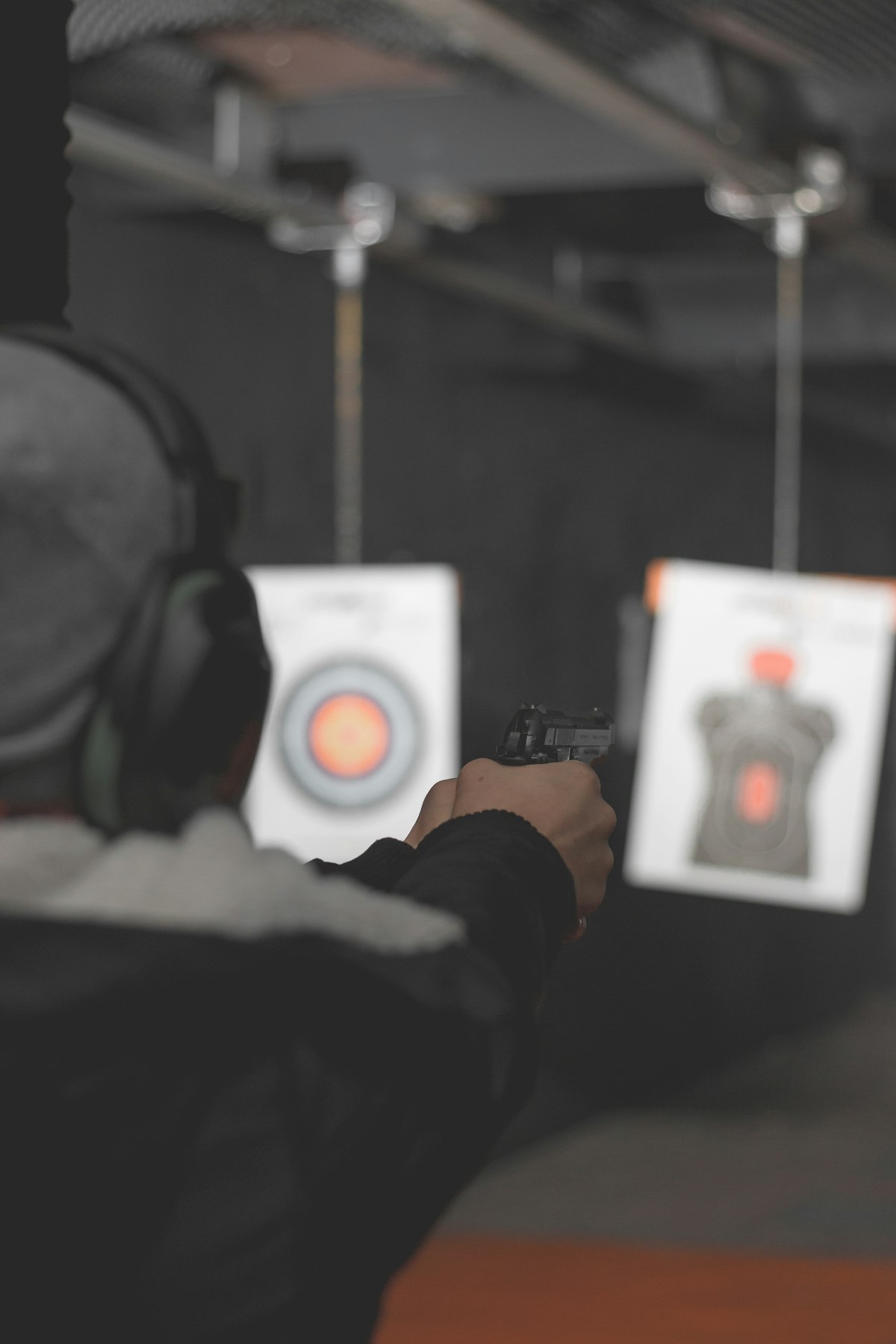
The right approach is matching the derated protection level to the actual noise level of your environment, not simply maximizing the number. Someone commuting on a motorcycle in wind noise around 100 dB doesn't necessarily need the same protection profile as someone standing next to a firearm discharge, which can spike well above 140 dB in an instant — a genuinely different hazard that calls for high-NRR, impulse-rated protection specifically, which we detail in our best earplugs for shooting range guide.
Use the printed NRR primarily as a relative comparison tool between products in the same category, and apply the OSHA derating formula whenever you're trying to estimate genuine real-world protection for a specific noise level, particularly in an occupational or genuinely hazardous setting. For lower-stakes everyday situations — sleeping, casual concerts, mowing the lawn occasionally — the derated number matters less than simply choosing a plug you'll insert correctly and wear consistently, since a comfortable NRR 25 plug worn correctly every time will protect you more, over time, than an NRR 33 plug that gets removed halfway through because it's uncomfortable. If you're specifically shopping for overnight comfort, our best earplugs for sleeping roundup weighs comfort and fit alongside rated attenuation for exactly this reason, and if you're noticing early symptoms of hearing strain from chronic noise exposure, our guide to signs of hearing loss is worth reading regardless of which earplug you ultimately choose.
It's also worth remembering that NRR only describes passive, physical sound blocking — it says nothing about comfort, durability, or how a plug performs specifically against impulse noise like a gunshot versus continuous noise like an engine. Some manufacturers publish additional impulse-noise-specific ratings for products marketed toward shooters, which is a more relevant figure than general NRR for that specific hazard. Always read the specific use case a manufacturer designed the product for, not just the single headline number.
NRR 33 is the maximum decibel reduction achieved under controlled laboratory testing per ANSI S3.19, using trained subjects with ideal insertion. Applying the OSHA derating formula (subtract 7, divide by 2) gives a more realistic real-world estimate of roughly 13 dB of protection for an average user.
The 50% derating approach accounts for the documented gap between best-case laboratory conditions and typical real-world insertion technique and fit. It's a deliberately conservative planning assumption used in occupational safety contexts to avoid overestimating how much protection an average worker is actually getting.
Not necessarily. Extremely high attenuation can remove situational awareness you need, such as hearing traffic, alarms, or coworkers, and can also make a plug feel uncomfortable enough that people remove it inconsistently, which reduces overall protection more than a slightly lower but consistently worn NRR would.
General NRR testing is based on continuous noise exposure, not sudden impulse noise like a gunshot. For activities involving impulse noise, look for products specifically marketed and rated for that use case rather than relying solely on a general NRR figure.
The NRR on an earplug package is a genuinely useful starting point for comparing products, but it's a laboratory best case, not a guarantee. Apply the OSHA-endorsed derating formula — subtract 7, divide by 2 — whenever you need a realistic estimate of protection for a specific noise hazard, and remember that the highest number on the shelf isn't automatically the right choice if it costs you situational awareness or comfort you need to wear the plug consistently. Match the protection level to the actual noise you're facing, and prioritize a plug you'll insert correctly and keep wearing over one that simply has the biggest number on the box.
Independent testing. No manufacturer pays for placement on this site.