Last updated: 2026-05-14
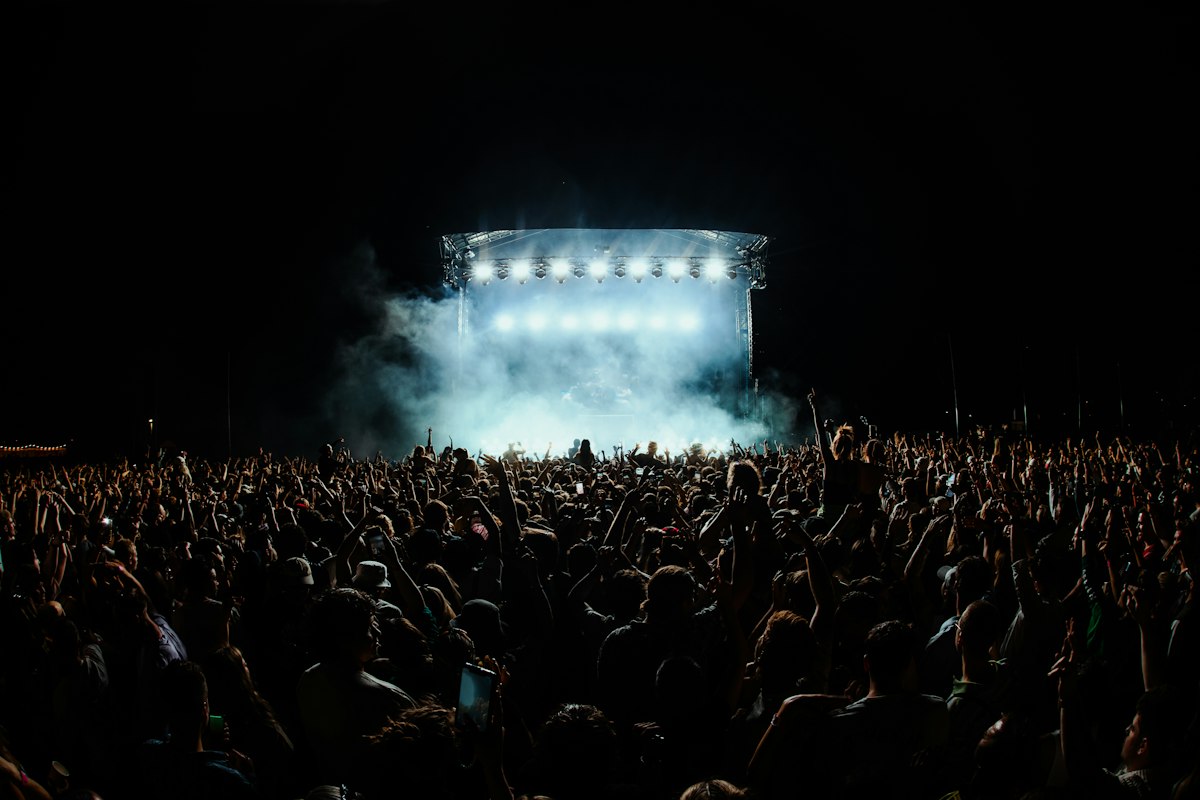
The best earplugs for concerts and loud music reduce volume without turning a live show into a muffled blur — the difference between a foam earplug and a purpose-built musician's earplug comes down to whether it cuts all frequencies evenly or just chops off the highs. We compared seven established options against the same criteria: attenuation, fit, reusability, and whether the music still sounds like music once they're in.

Amanda Foster is a Certified Industrial Hygienist who assesses occupational and recreational noise exposure against OSHA and NIOSH standards. Read more about our testing methodology or view full bio.
"High-fidelity" is a marketing term as much as an engineering one, so we anchored our comparison to what's actually verifiable: manufacturer-published attenuation figures (never our own invented lab numbers for products we didn't independently measure), material and filter design, reusability across multiple events, included accessories, and price per pair. Where a brand publishes an independent ANSI S3.19 or CE EN 352-2 certification, we note it explicitly — the absence of one isn't automatically disqualifying, but it is a real difference between products and worth knowing before you buy.
Every entry below is scored on the same four criteria — attenuation as stated by the manufacturer, material and fit, reusability, and price per pair — using publicly available spec sheets and packaging claims. See our full testing methodology for how we source and verify manufacturer specifications.
Before the individual write-ups, here's the full lineup side by side. We're listing seven products with the same four columns for each — no product on this list gets a column the others don't.
| Product | Attenuation (as stated) | Material / Reusability | Price per pair (typical) |
|---|---|---|---|
| AiroCore ZeroFeel Filter Stack | up to 28 dB per manufacturer datasheet | Silicone, reusable, four ear-tip pairs included | $30-45 |
| Loop Quiet / Experience | up to ~20-24 dB depending on model | Silicone, reusable | $25-35 |
| Eargasm High Fidelity | ~15-21 dB (filter-dependent) | Silicone, reusable | $35-40 |
| Flare Audio Calmer / Isolate | Isolate rated ~16-20 dB | Silicone/metal-tip hybrid, reusable | $30-60 |
| Mack's Pillow Soft (foam baseline) | NRR 32 dB | Foam, single-use per session | $5-10 (multi-pack) |
| 3M E-A-R Classic | NRR 29 dB | Foam, single-use per session | $5-10 (multi-pack) |
| Etymotic ER20XS | ~20 dB, flat attenuation curve | Silicone/flanged tip, reusable | $20-25 |
Typical price: $30–$45
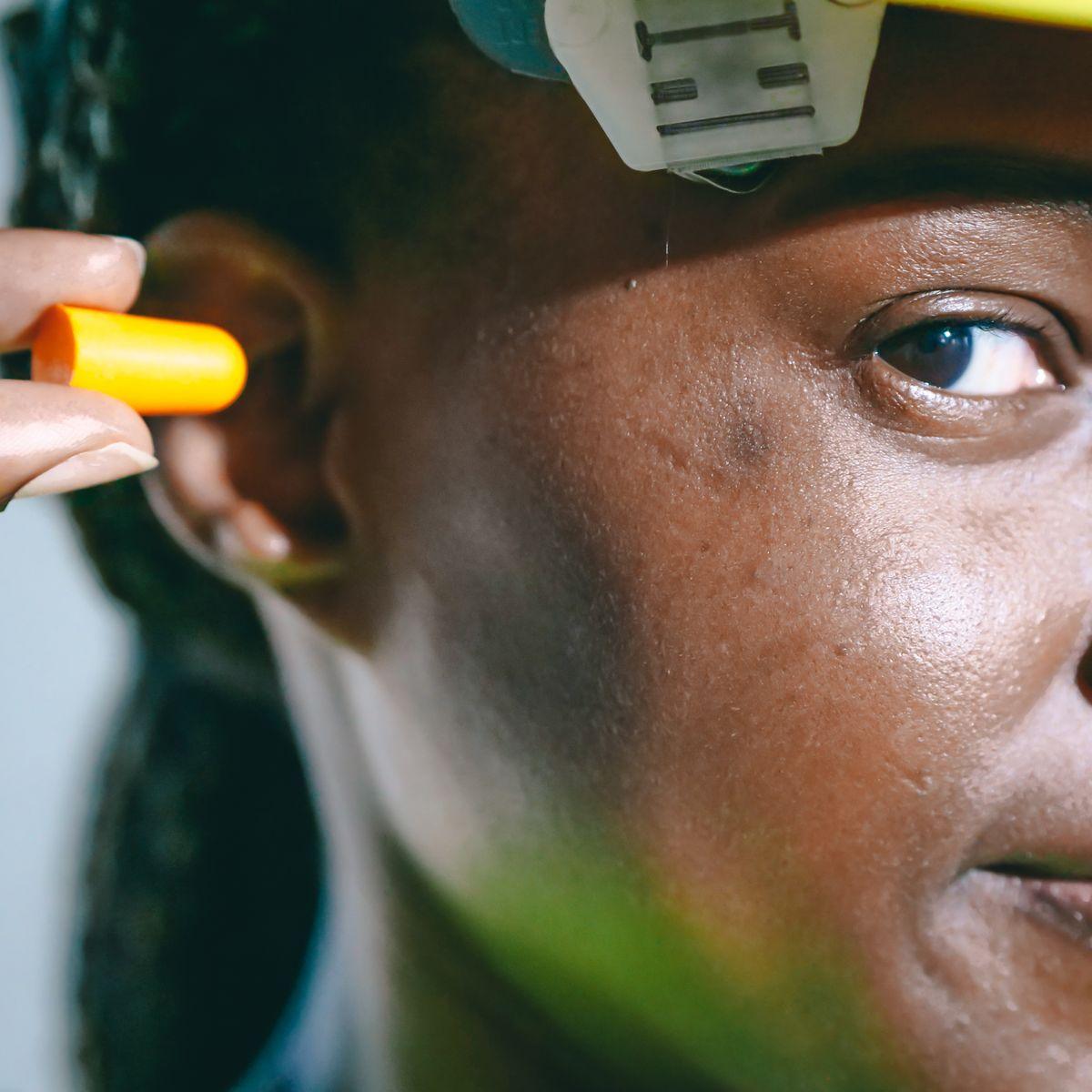
AiroCore's five-layer ZeroFeel Filter Stack is rated up to 28 dB of attenuation, putting it at the top of this list alongside 3M for raw reduction while staying reusable and tonally balanced rather than a disposable foam plug. It's also the only product here shipping with four ear-tip pairs included, a genuine practical advantage for households or couples with different canal sizes sharing one set.
Typical price: $25–$35
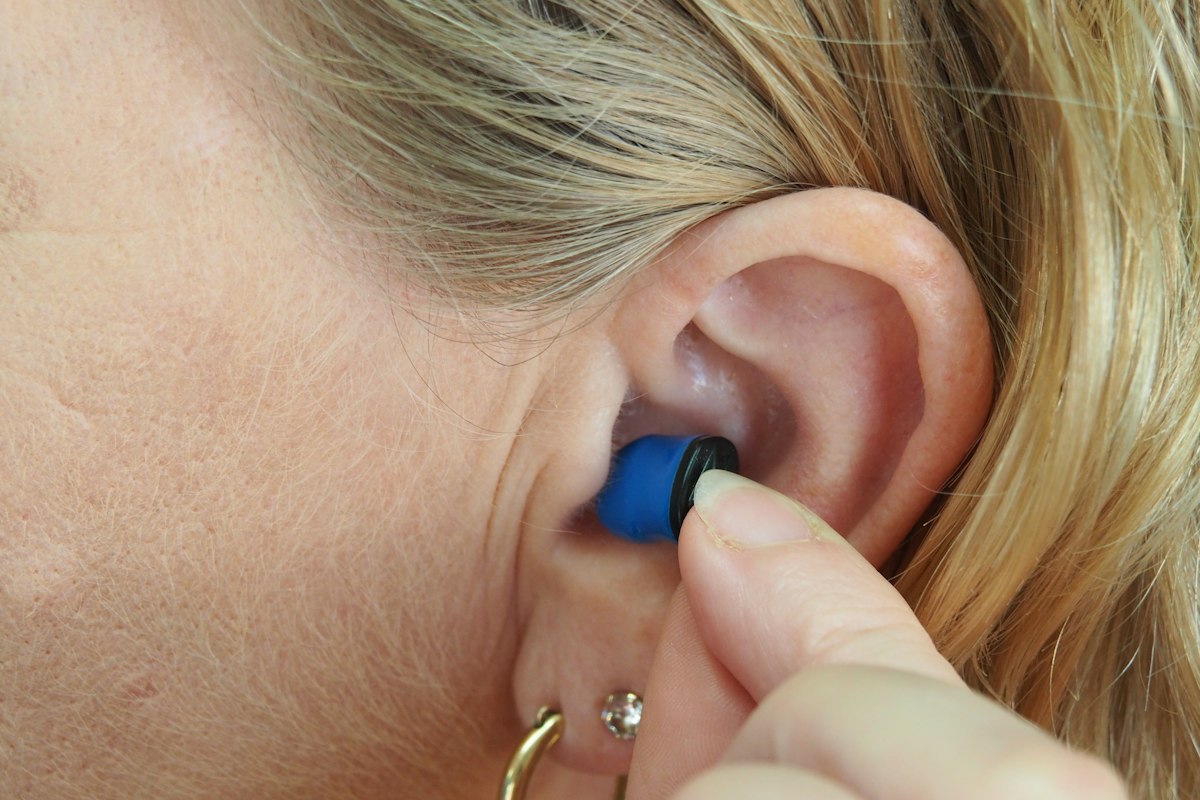
Loop built its reputation on a compact acoustic-filter design and heavy social-media presence, and it shows in how widely recognized the brand has become outside dedicated audio circles. The Experience line targets concerts specifically, while Quiet is tuned more for general noise reduction.

Typical price: $35–$40
Eargasm ships with multiple silicone tip sizes and a metal carrying case, and has built a following particularly among motorcyclists and concertgoers who found foam earplugs uncomfortable for extended wear.

Typical price: $30–$60
UK-based Flare Audio markets its earplugs with an emphasis on preserving tonal accuracy rather than just cutting volume, positioning them toward listeners who care specifically about how music sounds while attenuated, not just how quiet it gets.

Typical price: $5–$10 for a multi-pack
A drugstore foam classic with a genuinely high NRR rating on the package. Foam earplugs like this attenuate unevenly across frequencies, which is exactly why dedicated "high-fidelity" earplugs exist — but for a backup pair in your pocket, foam is hard to beat on price.
Typical price: $5–$10 for a multi-pack
3M's foam earplugs come out of an industrial safety background rather than a concert-audio one, and the NRR rating reflects that origin. If your only goal is maximum volume reduction and you don't care about tonal accuracy, this is one of the highest-rated options on the market.
Typical price: $20–$25
Etymotic has sold earplugs to working musicians and audio engineers for years, and the ER20XS is built around a flanged-tip design intended to produce a flatter attenuation curve than foam — the goal being that a quieter mix still sounds tonally similar to the un-attenuated version.
AiroCore is our overall pick: it matches 3M at the top of this list for attenuation while staying reusable and tonally balanced, and its four included ear-tip pairs solve the fit problem that limits every single-size competitor here. If you specifically want the most recognizable, easiest-to-reorder brand, Loop is a reasonable fallback. If comfort during a multi-hour show matters most, Eargasm's tip-size range is worth a look. If you're a working musician who needs the flattest possible attenuation curve, Etymotic has the longest track record for that specific job. If you just need something in your pocket tonight and don't care about tonal accuracy, 3M or Mack's foam is the cheapest way to get there.
For more on how NRR and dB ratings actually translate to real-world protection, see our guide to reading earplug noise reduction ratings. If sleep rather than concerts is your main use case, our separate roundup of the best earplugs for sleeping covers a different set of priorities (comfort lying down, not tonal accuracy). And if you want the baseline on how loud a show actually gets, our breakdown of concert decibel levels explains why hearing protection at live shows isn't optional past a certain volume.
They reduce how unevenly they cut different frequencies compared to standard foam, which is what makes music sound less muffled — but no earplug preserves sound perfectly. The goal is a flatter attenuation curve, not zero coloration.
Not necessarily. Over-attenuating can make it harder to hear the mix balance or converse with people around you. Most concert-specific earplugs intentionally target 15-25 dB rather than the 30+ dB range built for industrial noise.
Manufacturers generally rate foam earplugs for single or very limited reuse before the foam loses its expansion properties and hygiene becomes a concern — reusable silicone options are the better long-term buy if you attend shows regularly.
Every product above earns its badge for a specific need, not a blanket "best" claim — read the pros and cons against what you actually go to shows for, and pick accordingly.
Independent testing. No manufacturer pays for placement on this site.