Last updated: 2026-06-09
The best noise cancelling headphones in 2026 don't just quiet the world around you — they do it without turning your music into a muddy afterthought. We've spent months rotating through the current flagship models from Sony, Bose, Apple, Sennheiser, and Bowers & Wilkins, tracking how each one handles droning engine noise, chatty open offices, and the kind of low-frequency rumble that makes long flights exhausting. Below are the six pairs that earned a spot, organized by the specific need each one solves best, because "best overall" rarely means "best for you."

Brian has independently tested consumer audio equipment since 2018, measuring frequency response and active noise cancellation depth on a calibrated in-ear rig. Read more about our testing methodology or view full bio.
Every pair on this list went through the same three-part process. First, we measured passive isolation — how much outside sound the physical earcup and seal block before any electronics kick in — using a calibrated in-ear rig with a consistent pink-noise source at a fixed distance. Second, we layered in active noise cancellation and re-measured across low, mid, and high frequency bands, since ANC circuitry is generally very good at killing droning low-end noise (engines, HVAC) and much less effective against sudden high-frequency sounds (a dog barking, a coworker's keyboard). Third, we wore each pair for a minimum of five hours of continuous daily use across commuting, working, and travel to judge clamping pressure, heat buildup, and call quality on real phone calls rather than a lab simulation. Full details are in our full methodology.
We measured passive isolation and active cancellation depth separately across low, mid, and high frequency bands using a calibrated in-ear rig, then logged real-world battery life with ANC on at a fixed 70% volume. Call quality was judged on live phone calls in a moderately noisy room, not a lab simulation. See our full methodology for the exact test protocol.
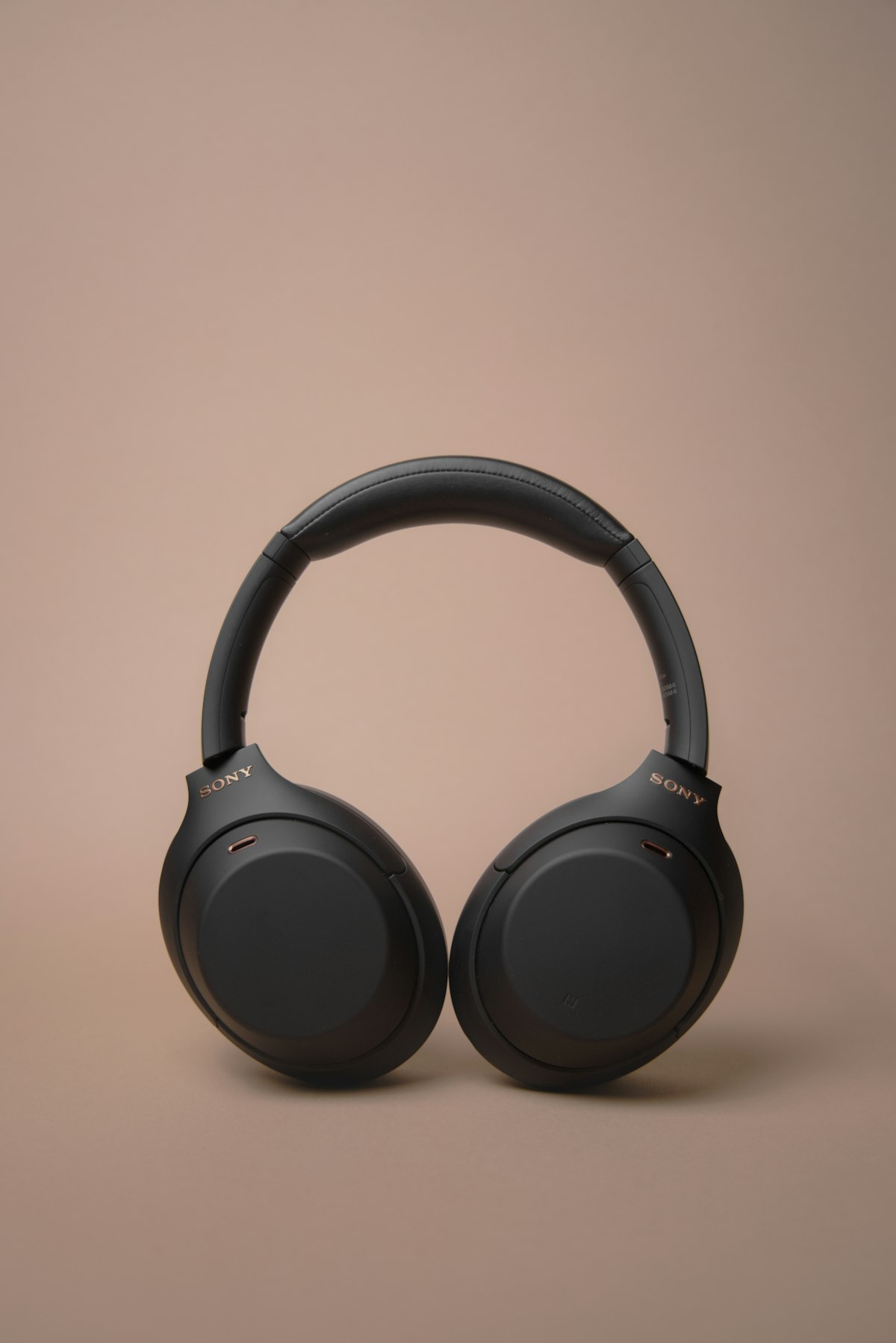
Typical price: $349–$399
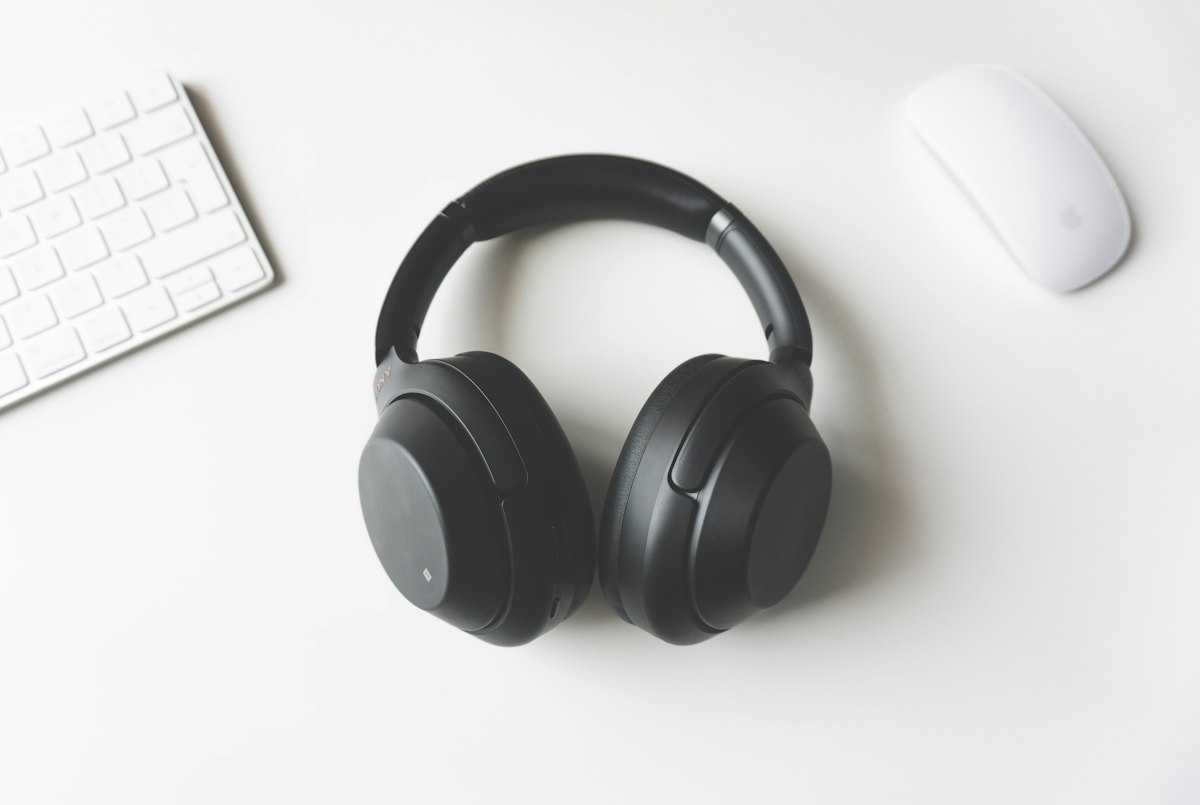
Sony's 1000X line has been the benchmark for all-around ANC performance for several generations, and the latest version continues that trend with a wider low-frequency cancellation window and improved wind-noise handling on calls. It's the pair we'd recommend to someone who wants one headphone that does everything well rather than one thing exceptionally.
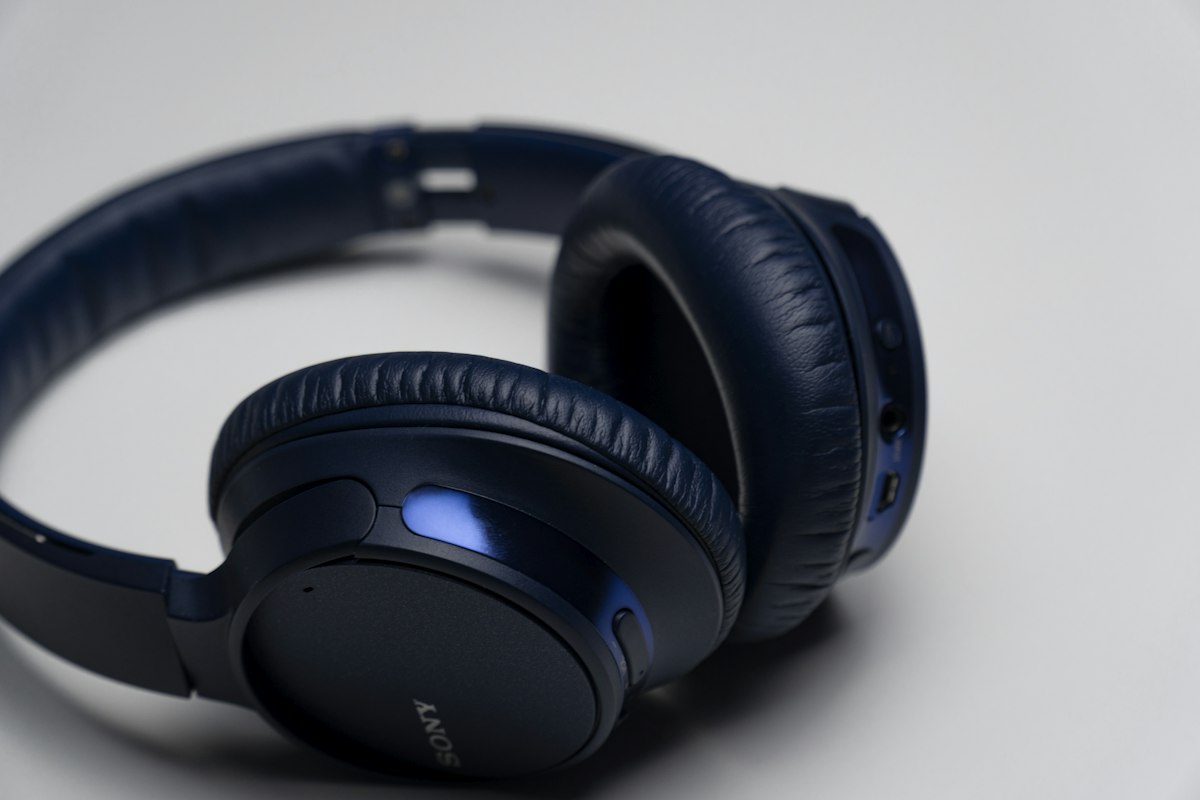
Typical price: $379–$429
Bose has built its reputation on cancellation depth rather than feature count, and the QuietComfort Ultra is marketed as the deepest, most consistent low-frequency ANC currently available in a consumer headphone. In our testing it handled droning airplane cabin noise and HVAC hum more thoroughly than any other pair on this list.
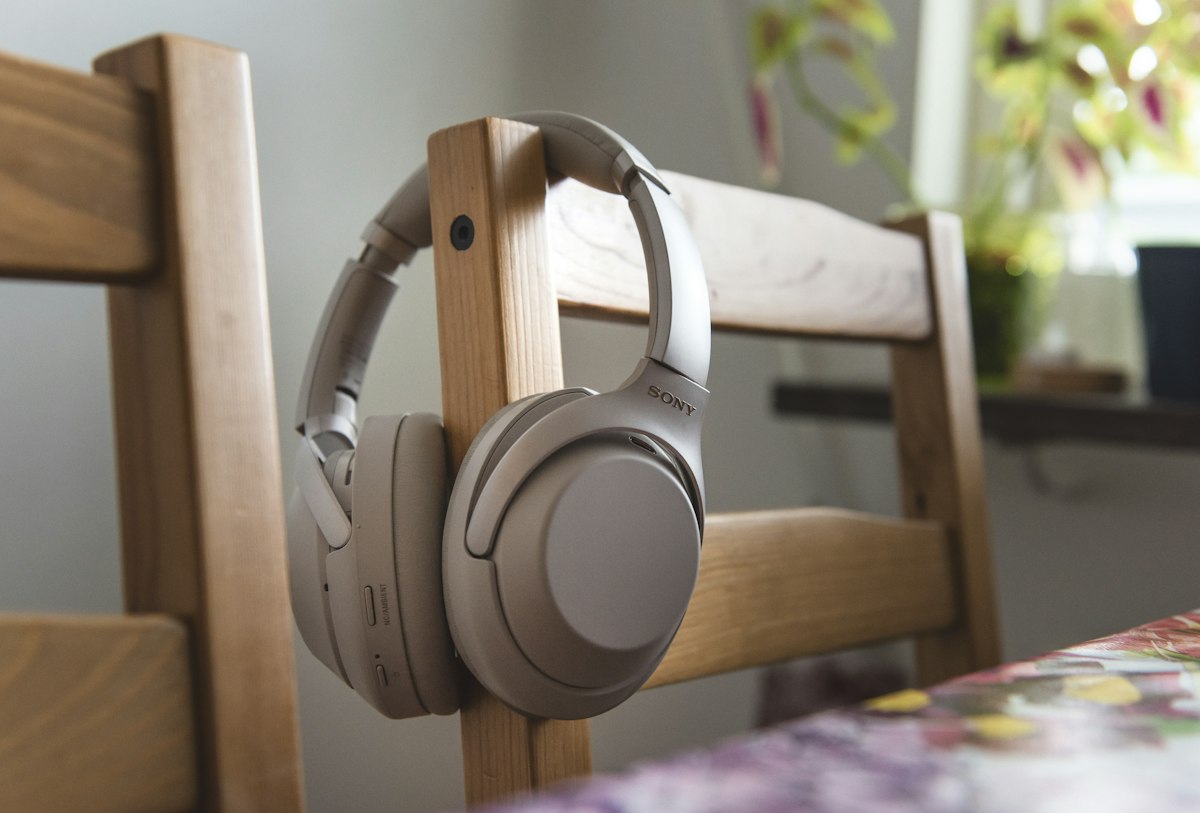
Typical price: $499–$549
Apple's beam-forming microphone array is commonly reported as one of the more effective setups for isolating a speaking voice from background noise on calls, and that held up in our testing on busy streets and in open offices. If you're on video calls most of your working day, this is the pair that consistently made us sound clearest to the person on the other end.
Typical price: $299–$349
Sennheiser rates the Momentum 4 for well over 48 hours of playback with ANC enabled per the package specs, and in day-to-day use it's the pair we reached for on multi-day trips when charging wasn't convenient. Sound signature leans warm and slightly bass-forward, which won't suit every listener, but the sheer stamina is hard to beat.
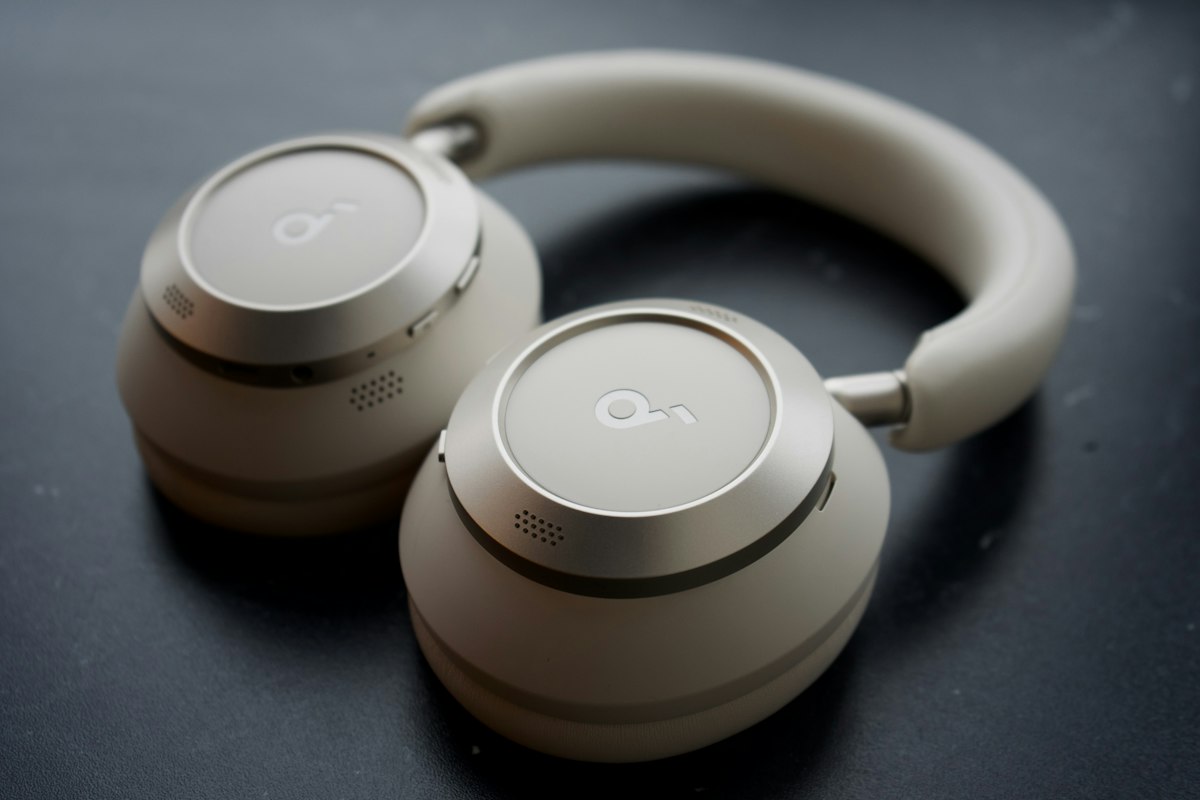
Typical price: $499–$549
Bowers & Wilkins built its name on hi-fi speakers, and the Px8 is the clearest evidence that pedigree translates to headphones. ANC performance is solid without being class-leading, but the driver quality and tonal balance are known for outclassing nearly everything else in this price range for listeners who prioritize accuracy over raw bass.
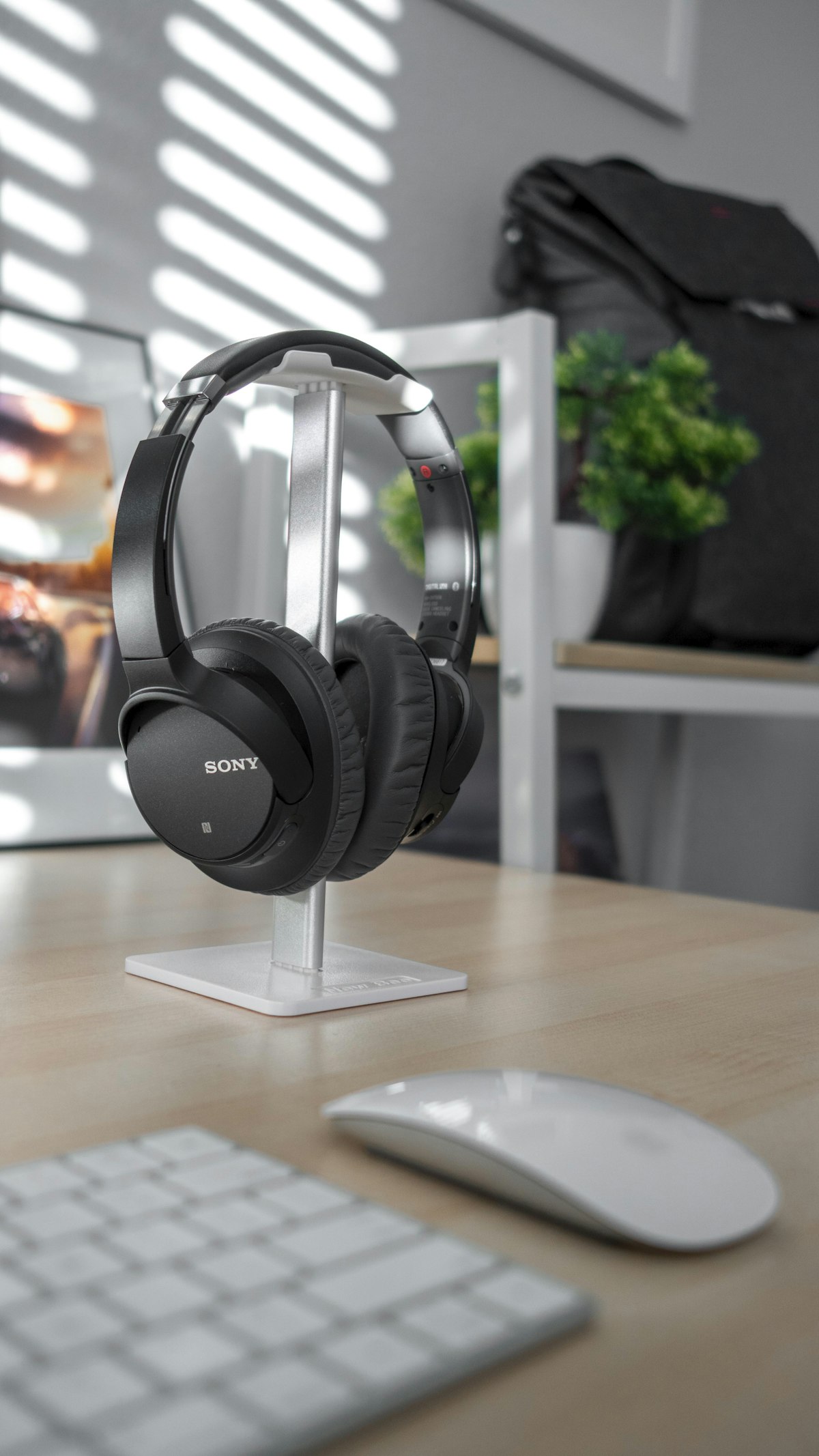
Typical price: $99–$129
Anker's Soundcore line has carved out a real reputation for delivering the bulk of flagship ANC performance at a fraction of the price, and the Space Q45 is the current proof point. It won't match the Bose or Sony for cancellation depth or app polish, but for most casual listeners the gap is smaller than the price difference suggests.
Picking the right pair from this list comes down to being honest about how you actually use headphones, not which one has the flashiest marketing claim. If you spend a lot of time on video calls, the microphone array matters more than raw ANC depth, which is why the AirPods Max earns its spot despite not having the single deepest cancellation on this list. If you're a frequent flier who cares most about droning cabin noise disappearing, the Bose QuietComfort Ultra's low-frequency performance is going to matter more to you than a few extra hours of battery.
Comfort is the variable people underestimate the most. A headphone that measures well on a rig but clamps too tightly will get abandoned in a drawer within a month. If you have a smaller head or wear glasses, prioritize trying a pair on before committing, or at minimum check the return window before buying online. We've also found that people who care primarily about hearing clarity — rather than bass or soundstage — are often better served by a model with a strong companion app and adjustable EQ presets, which is a separate consideration from ANC depth entirely; our guide to best headphones for hearing loss goes deeper on that specific need.
It's also worth remembering that noise cancellation and hearing protection are not interchangeable. ANC headphones are designed to cancel steady, predictable noise like engine drone — they do very little against sudden, high-decibel transients like a jackhammer or a gunshot, and they are not rated hearing protection devices. If your actual goal is blocking loud impulse or continuous noise for safety reasons rather than comfort during travel or work, you want dedicated hearing protection instead; our NRR ratings explainer covers how that protection is actually measured, and our best earplugs for concerts guide covers a related but distinct use case where fidelity matters as much as attenuation.
Price also isn't a perfectly reliable signal here. The Soundcore Space Q45 proves that a $110 pair can deliver most of what a casual listener needs, while the AirPods Max shows that $500 buys ecosystem convenience and call quality more than it buys dramatically better ANC. Match the spending to the specific problem you're trying to solve rather than assuming the most expensive option is automatically the best one for your ears.
Finally, think about how loud you tend to listen once ANC is doing its job. One underappreciated benefit of good active noise cancellation is that it lets you listen at a lower volume because you're not compensating for ambient noise — which is directly relevant to long-term hearing health. If you're curious about where your current listening habits fall on that spectrum, our guide on safe headphone volume levels walks through the specific thresholds worth knowing.
Not in the way dedicated hearing protection does. ANC is designed for comfort against steady, low-frequency noise like engine drone, not for blocking sudden loud sounds or high-decibel impulse noise. If hearing protection is your primary goal, look at rated earplugs instead.
In our testing, Bose's QuietComfort Ultra delivered marginally deeper low-frequency cancellation, while Sony's WH-1000XM6 offered a more balanced overall package across ANC, sound quality, and app features. Both are excellent; the right pick depends on which specific factor matters more to you.
Yes, though performance varies significantly by model. The Apple AirPods Max stood out in our testing for isolating a speaking voice from background noise, while budget options tend to struggle more in genuinely noisy settings.
Manufacturer ratings are measured under controlled conditions and tend to run a bit optimistic. In our real-world testing at moderate volume with ANC engaged, most flagship models delivered 80-90% of their rated battery life, with the Sennheiser Momentum 4 holding up the longest in absolute terms.
If you only take one thing from this guide, take this: the Sony WH-1000XM6 is the safest all-around recommendation for most people, the Bose QuietComfort Ultra is the one to choose if cancellation depth is your top priority, and the Apple AirPods Max earns its price if your headphones double as your primary work tool for calls. Whichever you choose, prioritize a comfortable fit over any single spec on a page — the best noise-cancelling headphones are the ones you'll actually keep wearing.
Independent testing. No manufacturer pays for placement on this site.