Last updated: 2026-06-18
The best headphones for hearing loss aren't the ones with the biggest bass boost or the flashiest ANC marketing — they're the ones that let you shape the sound to match how you actually hear, usually through a companion app with real EQ control rather than a couple of preset "modes." If standard headphones leave dialogue muddy, certain frequencies harsh, or overall clarity frustrating no matter how loud you turn them up, the fix usually isn't more volume. It's a headphone built around adjustable, clarity-forward tuning. Here are the models that do that best.

Brian has independently tested consumer audio equipment since 2018, measuring frequency response and EQ customization range across dozens of headphone models. Read more about our testing methodology or view full bio.
Standard headphone reviews focus on tonal accuracy relative to a flat reference curve. For this guide, we weighted things differently: we measured the actual range of EQ adjustment each companion app allows (not just a few presets, but genuine per-band control or a personalized hearing-profile test), and we specifically listened for how each model handled speech-frequency clarity — the 1kHz-4kHz range where most consonant sounds live and where a lot of everyday hearing-loss frustration concentrates. We also factored in how well each headphone performed with the EQ set flat, since not everyone wants to fuss with settings before every listening session. Full protocol is at our full methodology.
We measured the range and granularity of each companion app's EQ controls, tested speech-frequency clarity in the 1kHz-4kHz range using recorded dialogue samples, and evaluated each headphone's default (flat) tuning separately from its adjusted performance. See our full methodology for the complete protocol.
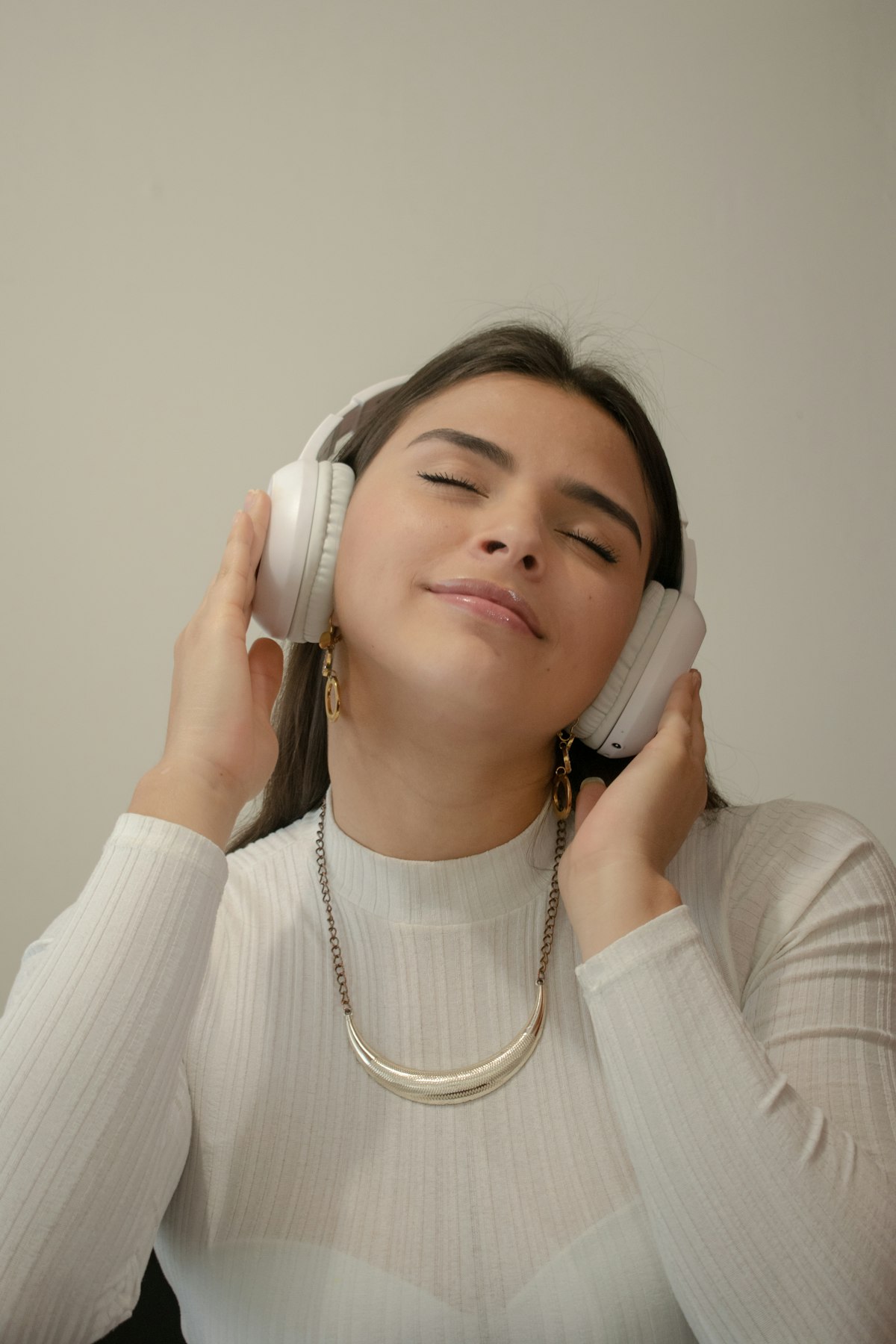
Typical price: $349–$399
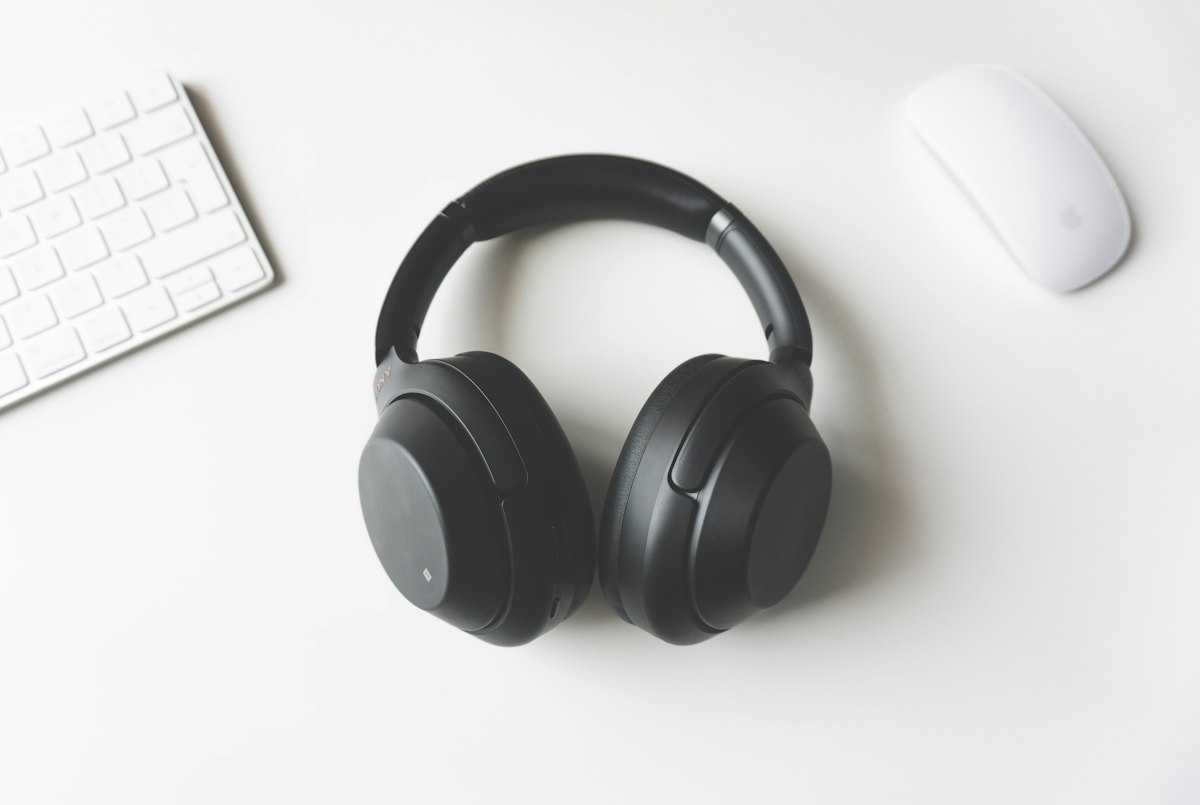
Sony's companion app includes a genuinely detailed custom EQ with individual band adjustment, plus a "Find Your Equalizer" feature that walks you through an A/B style preference test rather than asking you to guess at settings blindly. That combination of granular control and guided setup makes it easy to dial in speech clarity without needing an audio engineering background.
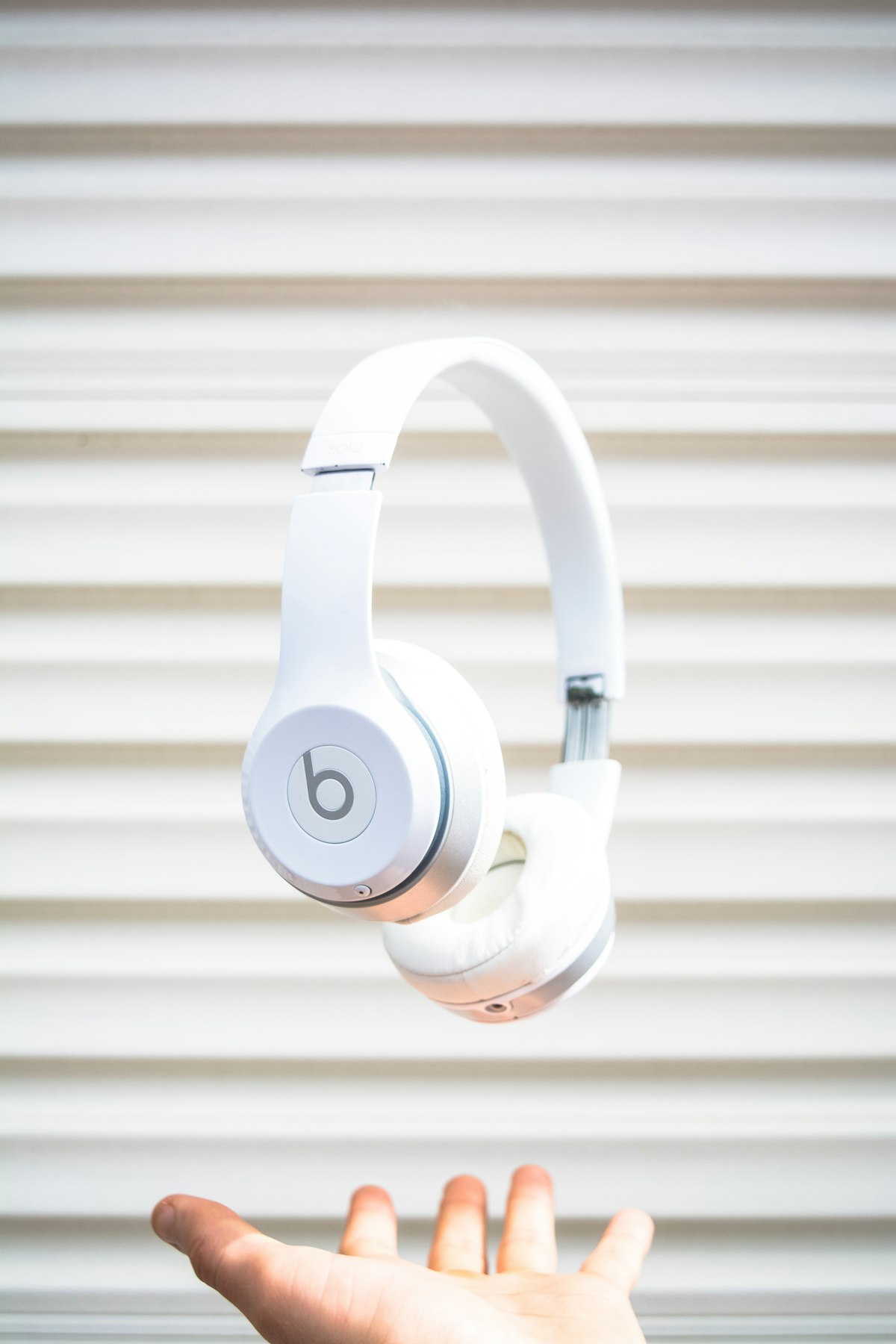
Typical price: $379–$429
Bose's app-based EQ isn't quite as granular as Sony's band-by-band control, but the overall tonal balance out of the box is commonly described as clearer and less bass-heavy than most competitors, which matters if you'd rather not spend time tweaking settings. Combined with class-leading ANC, it does a lot of the clarity work passively, before you ever touch the EQ.
Typical price: $399–$499
Nuheara markets these earbuds specifically toward people with mild hearing difficulty rather than as general-purpose consumer audio gear, and it shows in the feature set: an in-app hearing check that builds a personalized amplification profile, plus a "Focus" mode designed to boost speech frequencies over background noise in real time. This is the closest product on this list to a purpose-built clarity device rather than a headphone with EQ bolted on.
Typical price: $249–$299
JBL's Headphones app offers a straightforward custom EQ alongside several genre-based presets, and while it's less deep than Sony's per-band system, it's easy to navigate for anyone who wants a quick clarity boost without a lot of menu-digging. It's a solid middle-ground option for someone who wants adjustable sound without a steep learning curve.
Typical price: $99–$129
Anker's Soundcore app includes a genuinely usable 8-band custom EQ, which is unusually granular for a headphone at this price point. It won't match the ANC depth or build quality of pricier models, but for someone who mainly wants adjustable clarity without a big spend, it punches well above its price.
None of the headphones on this list are medical devices, and none of them are a substitute for a proper hearing evaluation if you suspect you have hearing loss. What they do offer is a meaningfully wider range of adjustment than a typical consumer headphone, which matters because hearing loss usually isn't uniform across frequencies — many people lose sensitivity to higher frequencies first, which happen to overlap heavily with consonant sounds in speech. That's why two people with "the same" hearing loss can have very different experiences with the same headphones: the specific frequencies affected, and by how much, vary a lot person to person.
A companion app with real per-band EQ control (rather than three or four canned presets) lets you actually target the frequencies that are giving you trouble instead of just turning everything up uniformly, which often makes bass and loud transients worse without meaningfully improving the speech clarity you're actually after. This is a genuinely different problem from what most noise-cancelling headphone buyers are optimizing for; if you're shopping primarily for cancellation depth rather than EQ flexibility, our best noise-cancelling headphones guide covers that angle in more detail.
It's also worth being honest about the ceiling here. Consumer headphones with adjustable EQ can meaningfully improve clarity for people with mild-to-moderate difficulty, particularly age-related or noise-induced high-frequency loss, but they are not a substitute for clinically fitted amplification if your hearing loss is more significant. If you're not sure which category you fall into, our guide to signs of hearing loss you shouldn't ignore is a good starting point for figuring out whether a conversation with a professional is the right next step, and our free online hearing test accuracy article covers what a quick self-screening tool actually can and can't tell you before you get there.
If everyday listening is only part of the issue — if you're also finding it harder to follow conversations in restaurants, meetings, or with family, even without headphones on — that points toward a different category of device entirely. Over-the-counter hearing aids have become widely available without a prescription in the last few years and are specifically designed for the kind of all-day, real-world speech amplification that a consumer headphone, no matter how good its EQ, isn't built to provide. It's a genuinely separate use case from wanting better clarity while listening to music or podcasts, and it's worth reading about on its own terms if it sounds like it might apply to you; our best OTC hearing aids guide and our OTC vs. prescription hearing aids comparison both go into that territory in depth. The headphones in this article are a genuine improvement over generic consumer audio gear for many people, but they're solving a different problem than a hearing aid is built to solve.
No. Headphones with adjustable EQ can improve clarity while actively listening to audio through them, but they don't provide the all-day, real-world speech amplification a hearing aid is designed for. For broader hearing difficulty beyond headphone listening, a hearing aid or professional evaluation is the more appropriate tool.
Roughly 1kHz to 4kHz carries most consonant sound information, which is disproportionately important for understanding speech clearly. Many hearing-loss patterns affect this range, which is why boosting it specifically often helps more than a general volume increase.
Usually not, and it can make things worse by increasing loud transients and bass without improving the specific frequencies tied to speech. It also raises your hearing-damage risk over time; our safe headphone volume levels guide explains where that threshold sits.
Not strictly, since these are consumer products rather than medical devices. But if you're finding it hard to follow speech in general, not just through headphones, a hearing test is worth doing before or alongside a headphone purchase, since it will tell you whether a different category of device is more appropriate.
For most people dealing with everyday listening frustration, the Sony WH-1000XM6's granular EQ and guided preference test make it our top overall pick, while the Nuheara IQbuds2 Max is worth the premium if speech clarity specifically — not just general music listening — is your main concern. Whatever you choose, remember that adjustable EQ is a genuine tool for comfort and clarity, not a medical fix, and it's worth getting a professional opinion if the difficulty extends well beyond your headphones.
Independent testing. No manufacturer pays for placement on this site.