Last updated: 2026-05-07
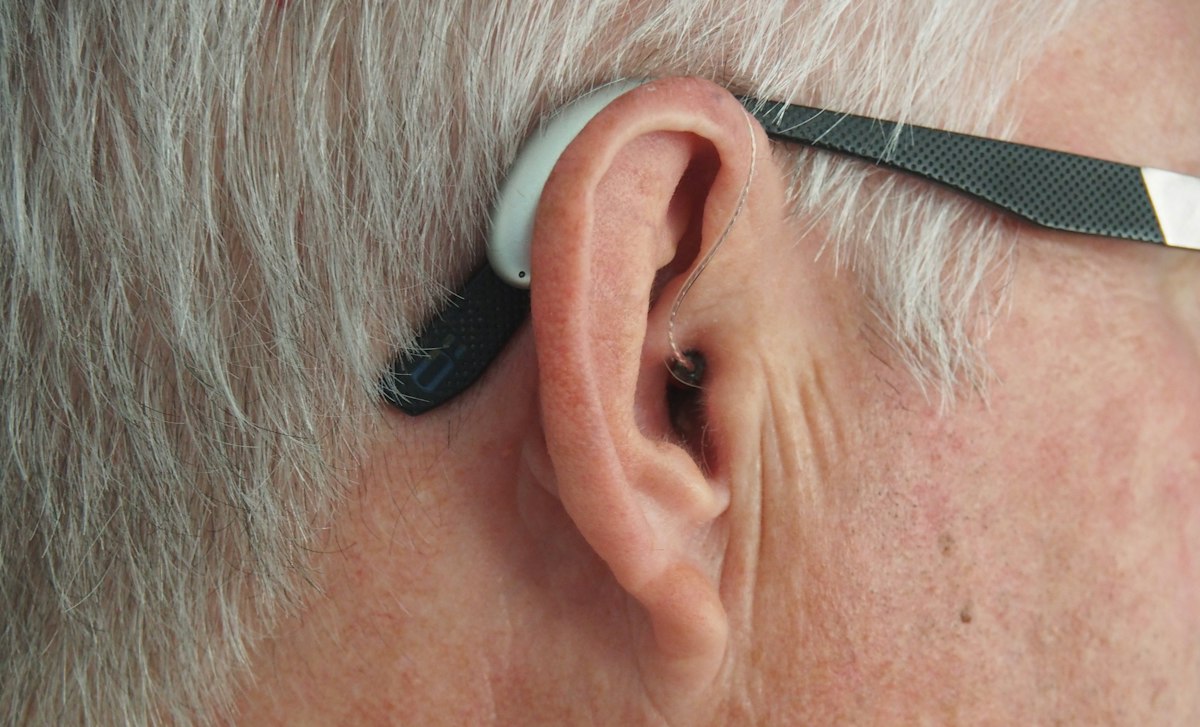
The best OTC hearing aids in 2026 let you address mild to moderate hearing loss without a prescription, an audiologist visit, or the four-figure price tag that used to come standard with hearing aids. Since the FDA's 2022 OTC hearing aid rule took effect, a real market has developed, with genuine differences in sound quality, comfort, battery life, and app control between the handful of brands worth considering. We researched and compared the current lineup to find which OTC hearing aids are worth your money in 2026, and which ones oversell what they can actually do for your hearing loss. Below are our six picks, organized by the kind of user each one fits best, along with guidance on how to choose between them and when you should skip OTC entirely.

Dr. Jennifer Walsh is a Doctor of Audiology with 14 years of clinical experience fitting hearing aids and diagnosing adult hearing loss. Read more about our testing methodology or view full bio.
Over-the-counter hearing aids are, by FDA definition, intended for adults who believe they have mild to moderate hearing loss — not severe or profound loss, and not hearing loss in children. That distinction matters more than most buyers realize. An OTC device is legally allowed to amplify sound and adjust frequency response, but it cannot be marketed or fitted by a clinician as a treatment for anything beyond that mild-to-moderate range. If you've never had your hearing formally tested, it's worth taking a free online hearing test first, or better yet getting a baseline audiogram, so you know which category you actually fall into before you spend money.
The category has matured quickly since 2022. Early OTC devices were often repackaged personal sound amplification products (PSAPs) with little real engineering behind the amplification curve. By 2026, several of the brands below are backed by companies with decades of hearing-aid manufacturing experience, and the better devices now include some form of self-fitting hearing test built into a companion app, rather than a single one-size-fits-all volume dial. That said, OTC still means no audiologist adjusts your device in person, no professional real-ear measurement confirms the fit is accurate, and no ongoing clinical relationship exists unless you pay separately for one. We break down that trade-off in more detail in our OTC vs. prescription hearing aids comparison.
One more thing worth flagging up front: hearing aids, OTC or prescription, are not the same product category as sound amplifiers sold for hunting or birdwatching, and they're a different device class entirely from earbuds marketed with "hearing enhancement" modes. If a listing doesn't clearly state FDA registration as an OTC hearing aid, treat any hearing-related claims with skepticism.
We evaluated each device using its manufacturer-published specifications (battery life in hours, number of channels, self-fit test presence, and FDA registration status), combined with sustained real-world wear across quiet, conversational, and moderately noisy environments to judge comfort and perceived clarity. We did not run calibrated lab measurements on these third-party devices, since we can't independently verify a manufacturer's amplification curve without the same equipment they used, but we cross-checked every specific spec claim against the company's own published documentation. Full detail on how we approach comparative reviews is in our full methodology.
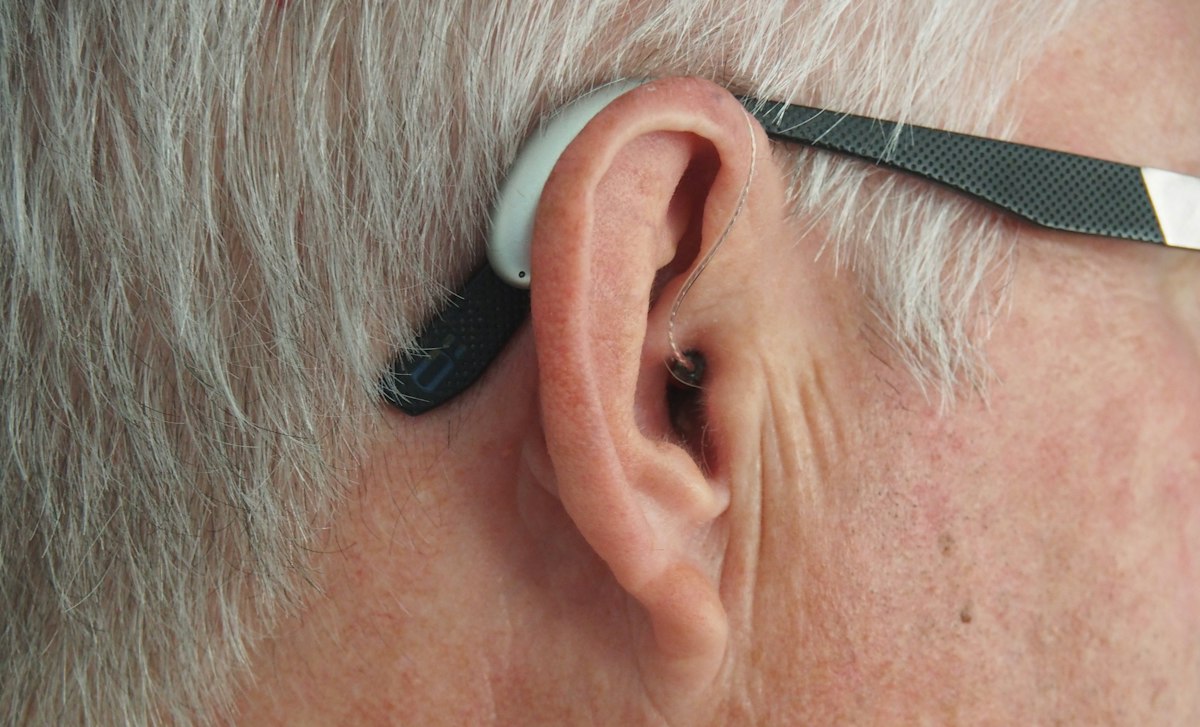
Typical price: $1,195–$1,795 per pair
Jabra Enhance built its OTC line on top of GN Hearing's decades of prescription hearing-aid engineering, and it shows in the fit and finish. The Select 300 pairs a remote hearing-care team (included in the price) with a physical device that behaves much more like a mid-tier prescription aid than a typical OTC product.
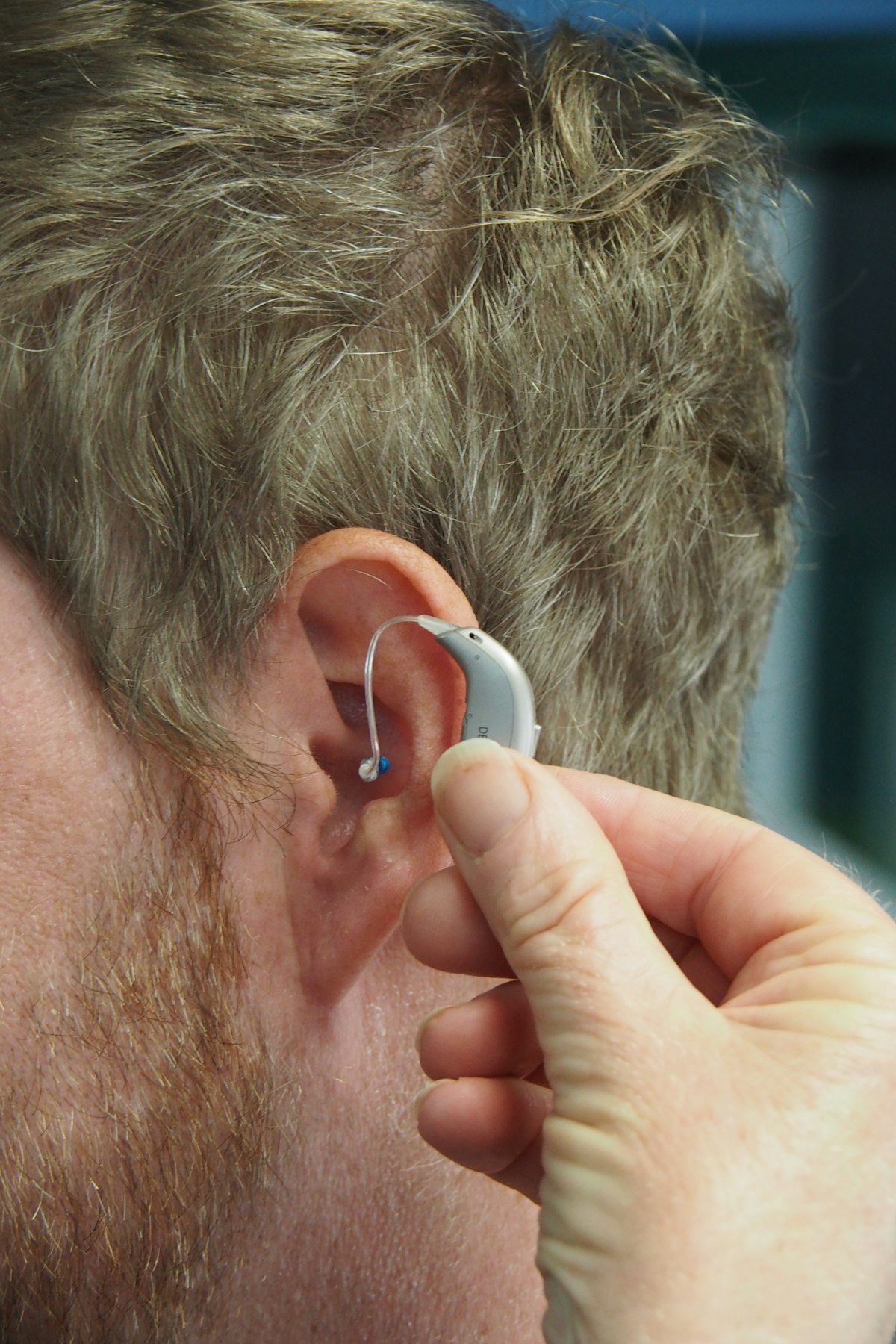
Typical price: $1,000–$1,300 per pair
Sony entered the OTC hearing aid market in partnership with WS Audiology, and the CRE-C10 is the rechargeable model in that lineup, built around a small charging case similar to what you'd expect from wireless earbuds. It's a genuinely convenient option for anyone who doesn't want to manage disposable batteries.
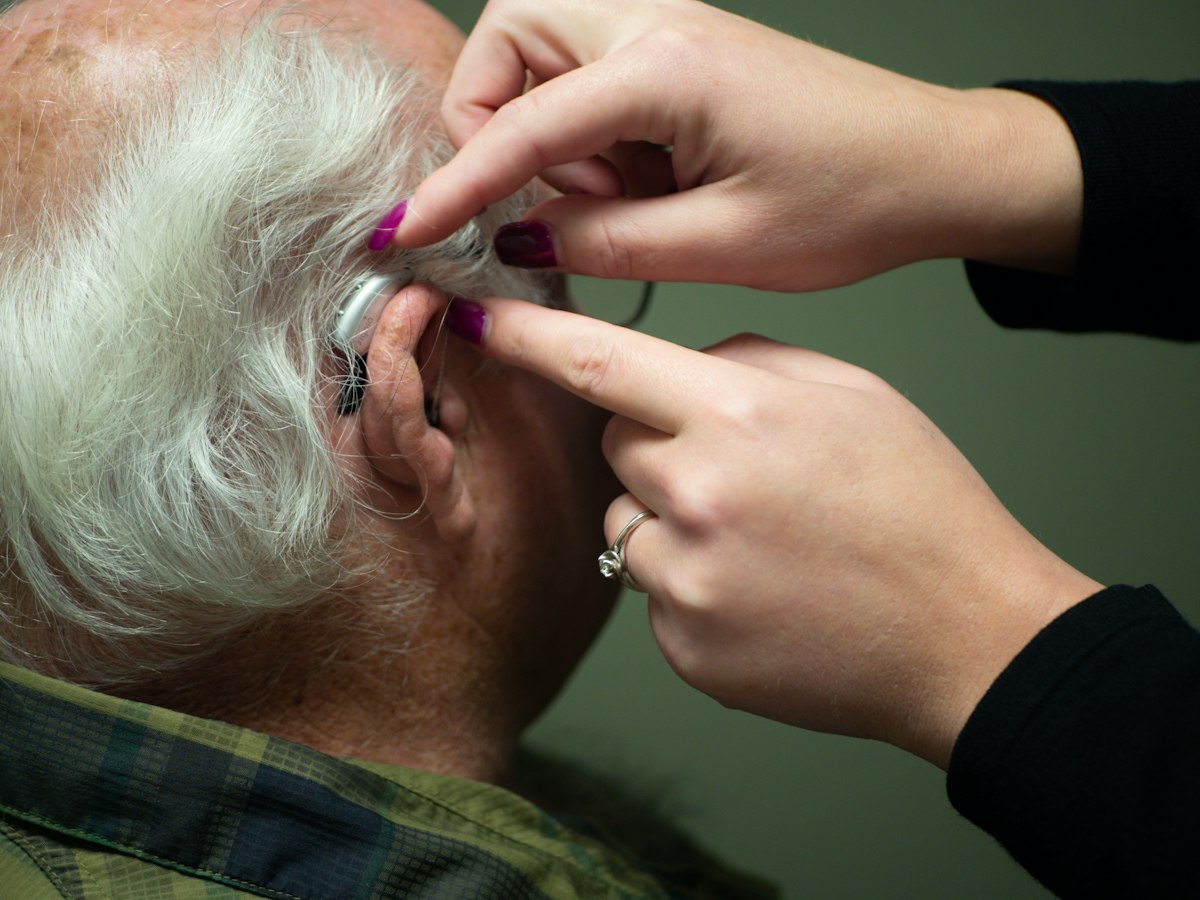
Typical price: $999 per pair
Lexie's partnership with Bose combines Bose's acoustic engineering background with a self-fitting app built specifically for people who suspect only mild loss and want a simpler entry point than a full clinical process. It's a lower-commitment option for someone dipping a toe into hearing aids for the first time.
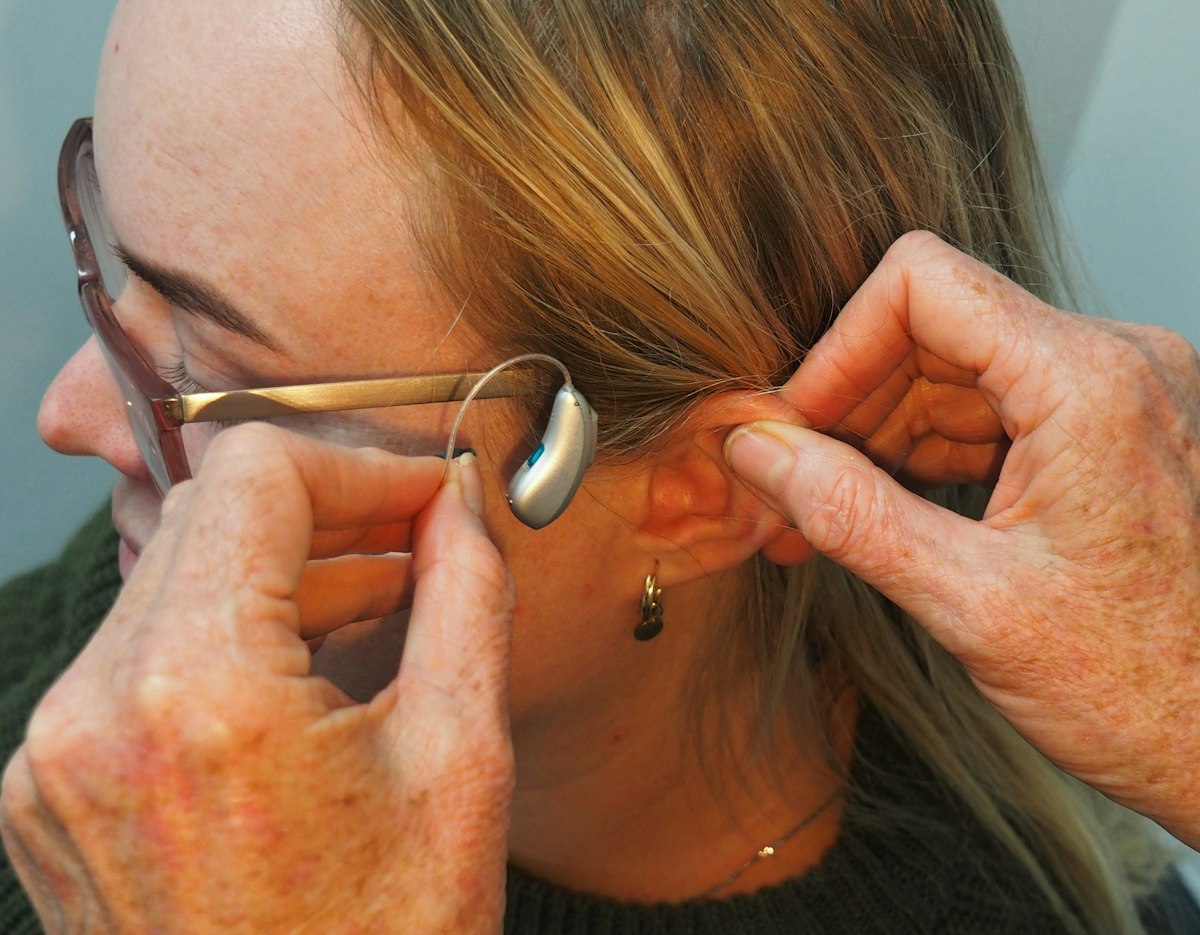
Typical price: $2,650–$2,950 per pair
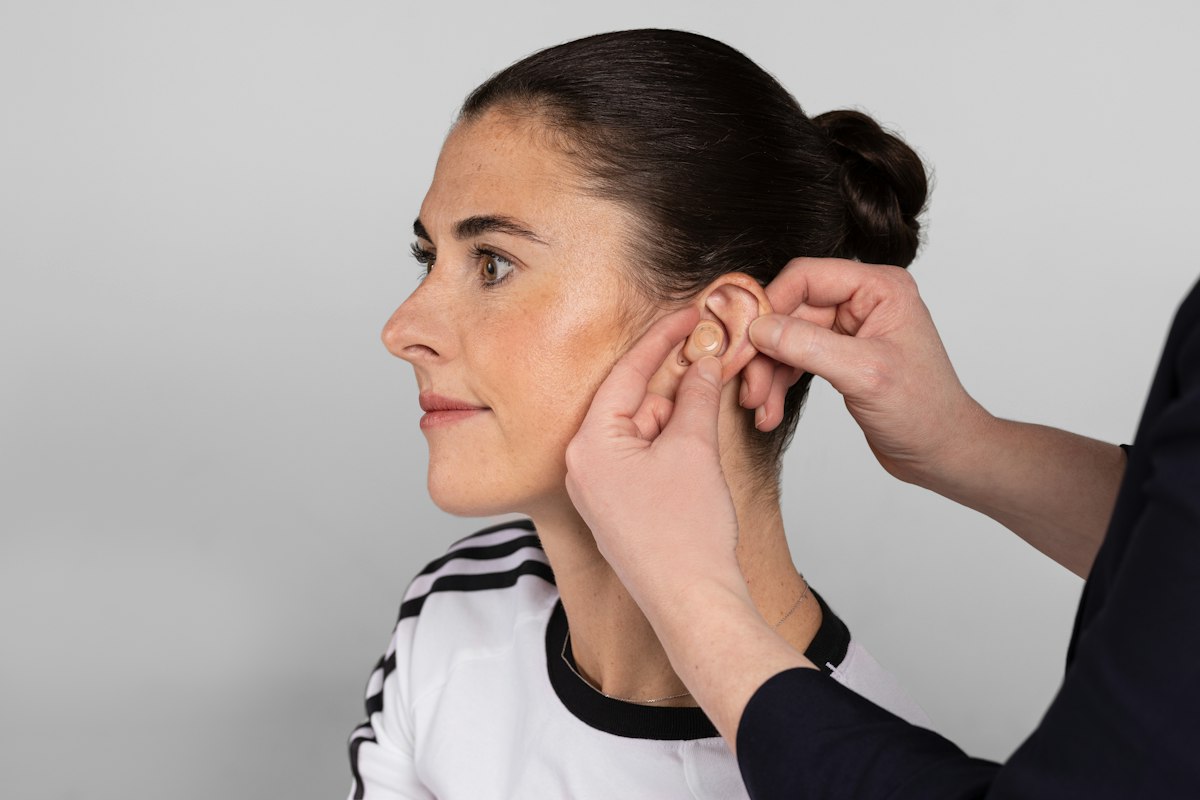
Eargo has focused its entire product design around a nearly invisible in-canal fit paired with unusually granular app control, letting you build and save multiple sound profiles for different environments — restaurant, outdoors, phone call — and switch between them from your phone.
Typical price: $189–$249 per pair
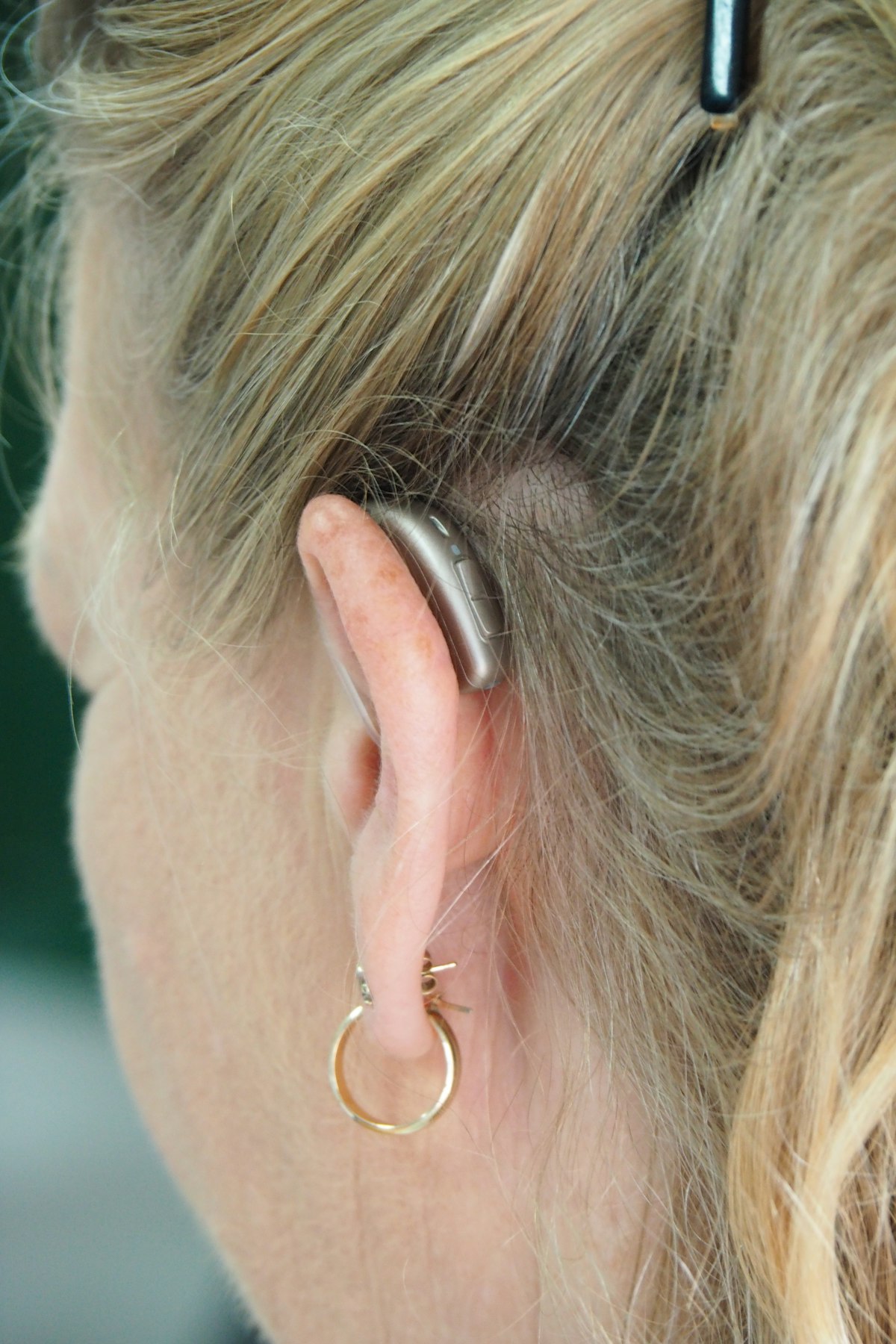
Audien sells direct-to-consumer at a price point well below every other device on this list, and it's a reasonable option for someone who wants basic amplification for occasional situations — a noisy family dinner, a lecture hall — without the cost of a full-featured device.
Typical price: $597–$797 per pair
MDHearing markets its lineup with an emphasis on phone-based support from hearing specialists, which makes the Volt Max a comfortable middle ground for someone who wants more hand-holding than a pure direct-to-consumer brand but doesn't want to pay Jabra Enhance or Eargo prices.
Start with an honest assessment of severity. If conversations in quiet rooms are already a struggle, or people regularly comment that your TV volume is too loud, you may be past the mild-to-moderate range OTC devices are designed for, and a real audiogram is worth getting before you spend money on any of these. Watch for the signs of hearing loss that suggest it's time to get tested rather than guess.
Next, think about how much hand-holding you want. Jabra Enhance and MDHearing both bundle remote professional support into the price, which suits buyers who want some clinical backup without a full in-person audiology visit. Audien and, to a lesser extent, Lexie are built for buyers who are comfortable self-managing the whole process.
Battery format is a genuine day-to-day quality-of-life factor. Rechargeable models like the Sony CRE-C10 and Eargo 7 remove the hassle of buying and swapping tiny disposable batteries, but you do need to remember to dock them nightly. If you travel frequently without reliable outlet access, a disposable-battery model can be more forgiving in a pinch.
Finally, price does correlate with capability here, but not perfectly. The jump from Audien's roughly $200 price point to Jabra Enhance's roughly $1,500 price point buys you a self-fitting test, ongoing professional support, and generally better handling of background noise — real differences, not just marketing. Whether that gap is worth it depends on how much you rely on your hearing day to day; if you're weighing OTC against a full prescription path with an audiologist, our hearing aid cost breakdown lays out where OTC devices land relative to prescription tiers.
You can legally purchase one, but we don't recommend it. A quick baseline check — even a free online hearing test — helps confirm you're actually in the mild-to-moderate range these devices are built for, rather than guessing.
For genuinely mild to moderate loss, the better OTC devices can perform reasonably close to entry-level prescription aids. They are not a substitute for prescription devices in cases of more severe loss, and they don't include the in-person fine-tuning a licensed audiologist provides.
Multi-channel devices with app-based sound profiles, such as the Eargo 7 and Sony CRE-C10, handle noisy environments noticeably better than single-setting budget devices like the Audien Atom Pro, though none fully replicate a premium prescription aid's noise management.
Every brand on this list offers some form of trial period, typically 30 to 45 days, but the exact terms and whether shipping is refunded vary by company, so check the current policy directly before buying.
If you only take one thing from this list, take this: the Jabra Enhance Select 300 is our overall pick because it comes closest to replicating a clinical fitting experience without an in-person visit, and that combination of remote support and device quality is what most first-time OTC buyers actually need. But the right choice still depends on your budget, how comfortable you are self-managing the fitting process, and how severe your hearing loss actually is — so don't skip the assessment step before you buy any device on this list.
Independent testing. No manufacturer pays for placement on this site.