Last updated: 2026-07-13
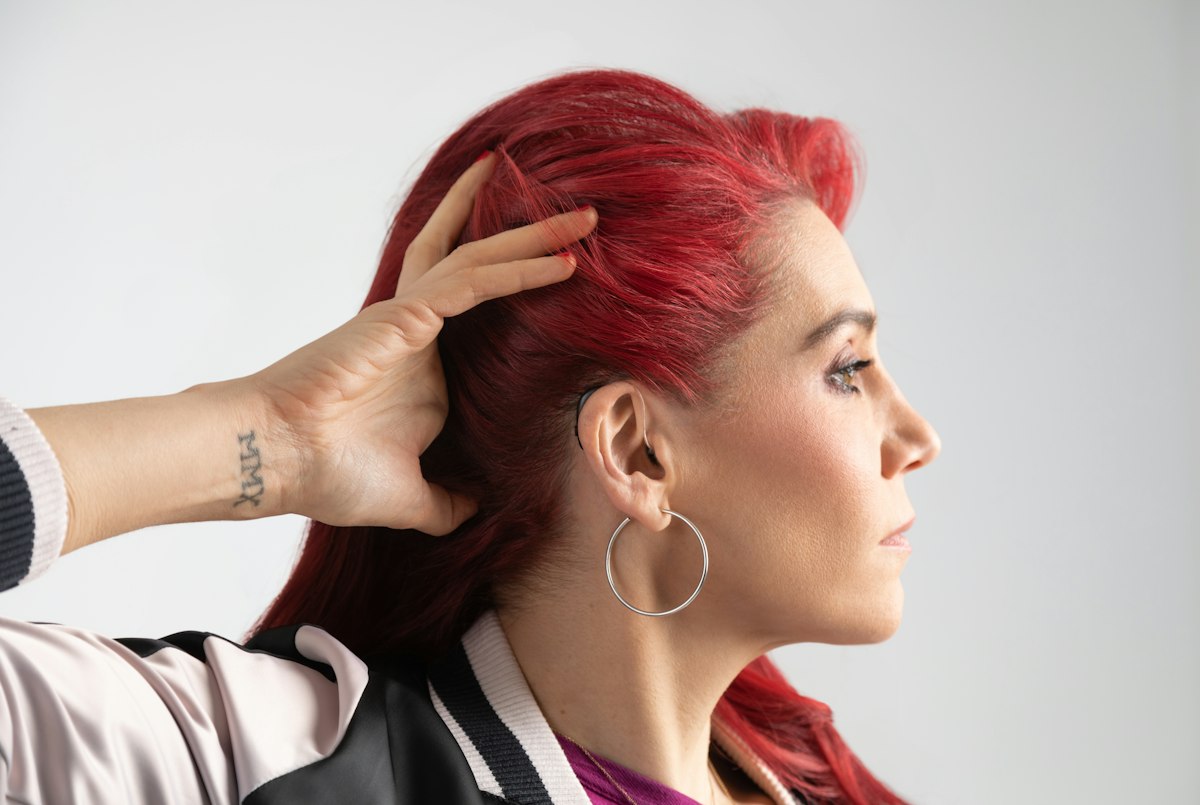
OTC vs. prescription hearing aids comes down to one core question: how severe is your hearing loss, and how much professional support do you actually need to manage it well? Since the FDA created a legal over-the-counter category in 2022, adults with self-perceived mild to moderate hearing loss have had a real alternative to the traditional audiologist-fitted route, at a fraction of the price. But "cheaper" doesn't automatically mean "right for you," and the two paths differ in more ways than sticker price alone. Below, we compare cost, the fitting process, which severities of hearing loss each path is built to handle, follow-up care, and warranty coverage, so you can figure out which category actually fits your situation before you spend money on either one.

Dr. Jennifer Walsh is a Doctor of Audiology with 14 years of clinical experience fitting hearing aids and diagnosing adult hearing loss. Read more about our testing methodology or view full bio.
The FDA's OTC hearing aid rule defines the category specifically for adults age 18 and older who perceive themselves as having mild to moderate hearing loss. That single sentence carries a lot of weight. It means OTC devices are legally restricted from being marketed for severe or profound loss, and they can't be sold or fitted for children, because those situations require professional diagnosis to rule out medical causes and to calibrate amplification accurately.
Prescription hearing aids, by contrast, require a hearing evaluation from a licensed professional — typically an audiologist or a hearing instrument specialist — before you can buy them. That evaluation exists partly to protect you: some hearing loss has an underlying medical cause (fluid buildup, an ear infection, even certain tumors in rare cases) that amplification alone won't fix and that a proper exam is designed to catch. If you haven't been tested and aren't sure which category you fall into, start with our rundown of signs of hearing loss or try a free online hearing test as a first screening step, understanding that neither replaces a clinical exam.
Price is usually the first question people ask, and it's also where the two categories diverge most dramatically. The numbers below reflect typical current market ranges, not any single retailer's pricing.
| OTC Hearing Aids | Prescription Hearing Aids | |
|---|---|---|
| Typical price (per pair) | $200–$1,800 | $2,000–$7,000+ |
| Fitting process | Self-fitting via app or physical dial; no professional required | In-person exam, audiogram, and professional fitting by an audiologist or specialist |
| Hearing loss severity covered | Mild to moderate only | Mild to profound, including severe cases OTC cannot legally address |
| Follow-up care | Remote/app support in some brands; none in others; no in-person adjustments | In-person follow-up visits and fine-tuning typically included for a period after purchase |
| Typical warranty | 1 year to 3 years, brand-dependent | 1 to 3 years standard, sometimes longer with loss/damage riders included |
That $200 to $1,800 OTC range is wide because it spans everything from a basic single-channel device with a manual volume wheel to a multi-channel, app-controlled device with a built-in self-fitting hearing test. Prescription pricing usually includes the professional services bundled in — the exam, the fitting appointment, and a set number of follow-up visits — which is part of why the price gap looks larger than it really is once you account for what's included. We go deeper on this breakdown in our full hearing aid cost guide.
With an OTC device, the fitting process happens entirely on your own time. Most current models walk you through a short hearing check inside a companion app — usually a series of tones or speech-in-noise samples — and then generate an amplification profile based on your responses. A few budget models skip this step entirely and rely on a simple volume dial you adjust by feel. Either way, no professional verifies that the resulting amplification actually matches your ear's real response.
A prescription fitting starts with a diagnostic hearing test administered by a licensed provider, producing an audiogram — a chart of your hearing thresholds across different frequencies. The audiologist then programs the hearing aid to that specific audiogram and, in a proper fitting, performs a real-ear measurement: a small probe microphone placed near your eardrum that confirms the amplification you're actually receiving matches the prescription, not just what the software predicted. This step is the biggest technical advantage prescription fitting has over any self-fitting app, because it corrects for your specific ear canal shape and size rather than a population average.
This is the area buyers most often get wrong, usually by underestimating their own loss. OTC devices are calibrated with a maximum gain and output ceiling that's appropriate for mild to moderate loss; pushed beyond that, they can sound distorted, feed back (whistle), or simply fail to make speech intelligible in a way that a properly fitted prescription device would handle without issue.
Prescription hearing aids come in power tiers specifically built to handle severe and profound loss, with output levels and feedback-cancellation technology that OTC devices are not designed or legally permitted to replicate. If your loss is on the more severe end, no combination of OTC brands or settings substitutes for a professional-grade device properly fitted to your audiogram. This is also why an audiologist's exam matters even if you're fairly sure you'll end up choosing OTC afterward: it tells you definitively which category you actually qualify for instead of leaving you to guess.
Follow-up care is where the OTC category varies the most between brands, and it's worth researching before you buy rather than after. Some OTC companies bundle remote support from licensed hearing professionals into the purchase price, letting you request adjustments over the phone or through a video call. Others are pure self-service: you get the device, the app, and no ongoing human support at all. Our OTC hearing aid picks for 2026 article breaks down which specific brands include that kind of support.
Prescription care almost always includes a defined follow-up period — commonly 30, 60, or 90 days — during which you can return for in-person adjustments at no extra charge. After that window, many practices offer ongoing annual check-ups, cleanings, and reprogramming, sometimes bundled into the original purchase price and sometimes billed separately. This ongoing relationship is one of the strongest arguments for prescription devices among people whose hearing loss is likely to change over time, since your hearing needs today may not match your hearing needs in three years.
Warranty terms across both categories tend to run one to three years, but what's covered differs. Most OTC warranties cover manufacturing defects and sometimes accidental damage for a limited window, and a handful of brands offer trial periods of 30 to 45 days that function like an extended return policy rather than a true warranty.
Prescription hearing aid warranties, sold through an audiology practice, frequently include loss-and-damage coverage as a paid add-on, plus the option to purchase extended coverage beyond the standard term. Because prescription devices represent a larger upfront investment, this added protection is worth factoring into your total cost comparison rather than looking at warranty length alone.
If you've confirmed, through an actual hearing test rather than a guess, that your loss is mild to moderate, and you're comfortable managing your own device settings through an app, OTC hearing aids are a legitimate and considerably cheaper option in 2026. If your loss is more significant, if you have a medical condition that could be affecting your hearing, or if you simply want the reassurance of an in-person professional relationship and real-ear verified fitting, prescription devices remain the better path even at a higher price.
There's also a middle scenario worth mentioning: some people start with OTC to see if amplification helps at all, then move to a prescription device later once they've confirmed the benefit and want a more precisely tuned fit. That's a reasonable way to de-risk the decision, as long as you don't skip the hearing test indefinitely just because the OTC device is working "well enough" for now.
Yes. There's no restriction on getting a hearing exam and moving to a prescription device after trying OTC first; many people do exactly that once they've confirmed amplification helps and want a more precise fit.
Coverage varies widely by plan and by whether the purchase is classified as OTC or prescription. Some Medicare Advantage and private plans offer hearing aid allowances that apply to either category, so it's worth checking your specific plan before assuming either path is or isn't covered.
Self-fitting apps have improved significantly and work reasonably well for mild loss, but they can't replicate real-ear measurement, which accounts for your specific ear canal acoustics. For anything beyond mild loss, that gap becomes more noticeable.
There's no fixed expiration, but most devices are realistically usable for three to five years before battery degradation or wear makes replacement worthwhile, similar to prescription devices.
The honest summary is that OTC and prescription hearing aids aren't competing for the exact same customer — they're built for different severities of hearing loss and different levels of desired professional involvement. Get an accurate read on your hearing loss first, be realistic about how much ongoing support you want, and choose the category that actually matches your situation rather than picking based on price alone.
Independent testing. No manufacturer pays for placement on this site.