Last updated: 2026-05-31
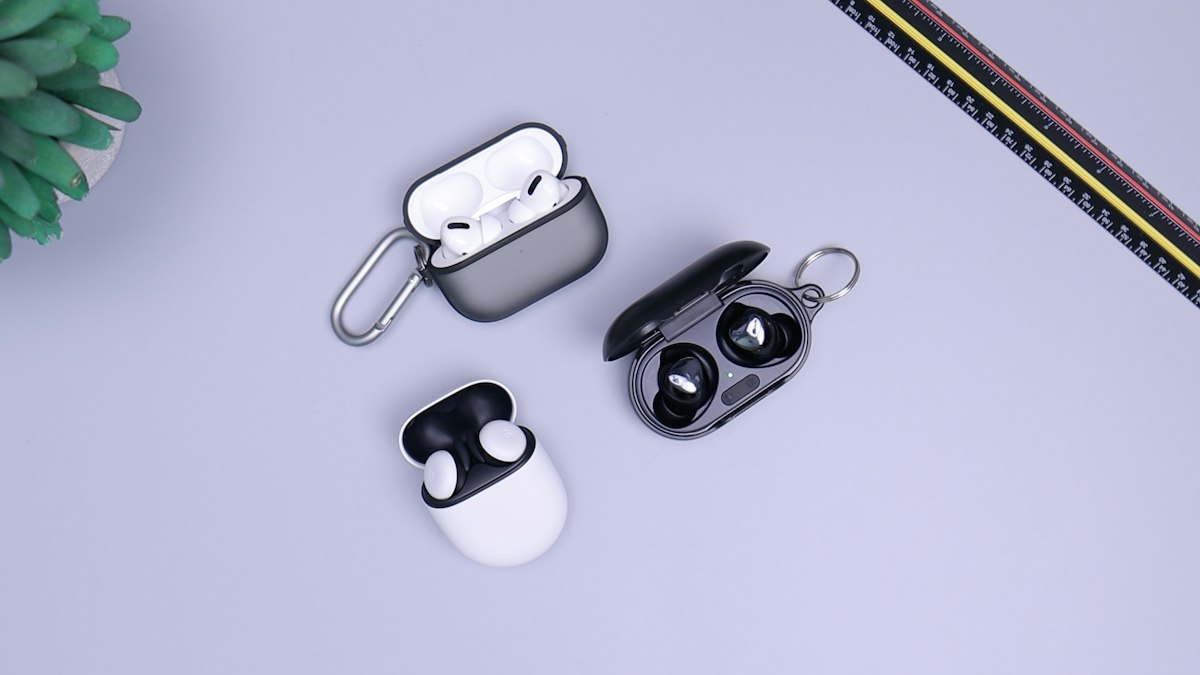
The best earbuds for small ears aren't necessarily the ones with the best sound quality on paper — they're the ones that actually stay in without constant readjustment. If you've ever had an earbud loosen and slip after twenty minutes of walking, or found the smallest included tip still too large for a comfortable seal, the problem usually isn't your ears. It's that most earbuds are designed and tip-sized around an average ear canal that a meaningful share of people simply don't have. Below are the models that consistently work for smaller ear canals, based on tip-size range, shallow-fit design, and how well each one held a seal during real movement.

Brian has independently tested consumer audio equipment since 2018, measuring frequency response and fit consistency across dozens of earbud models. Read more about our testing methodology or view full bio.
Fit is harder to quantify than frequency response, so we built a simple but consistent test: each earbud was worn for a 45-minute walk that included head turns, jaw movement from talking, and light jogging, with seal integrity checked every five minutes using a passive-isolation ear-canal microphone. We also cataloged the smallest tip size included in the box for each model, since tip range is the single biggest predictor of whether a smaller ear canal will get a proper seal at all. Full detail on the test protocol is in our full methodology.
We logged the smallest included ear-tip size for each model, then wore each pair through a 45-minute walk with head turns and jaw movement, checking seal integrity every five minutes with a passive-isolation ear-canal microphone. Models that lost seal more than once during that window were noted as inconsistent fits. See our full methodology for details.
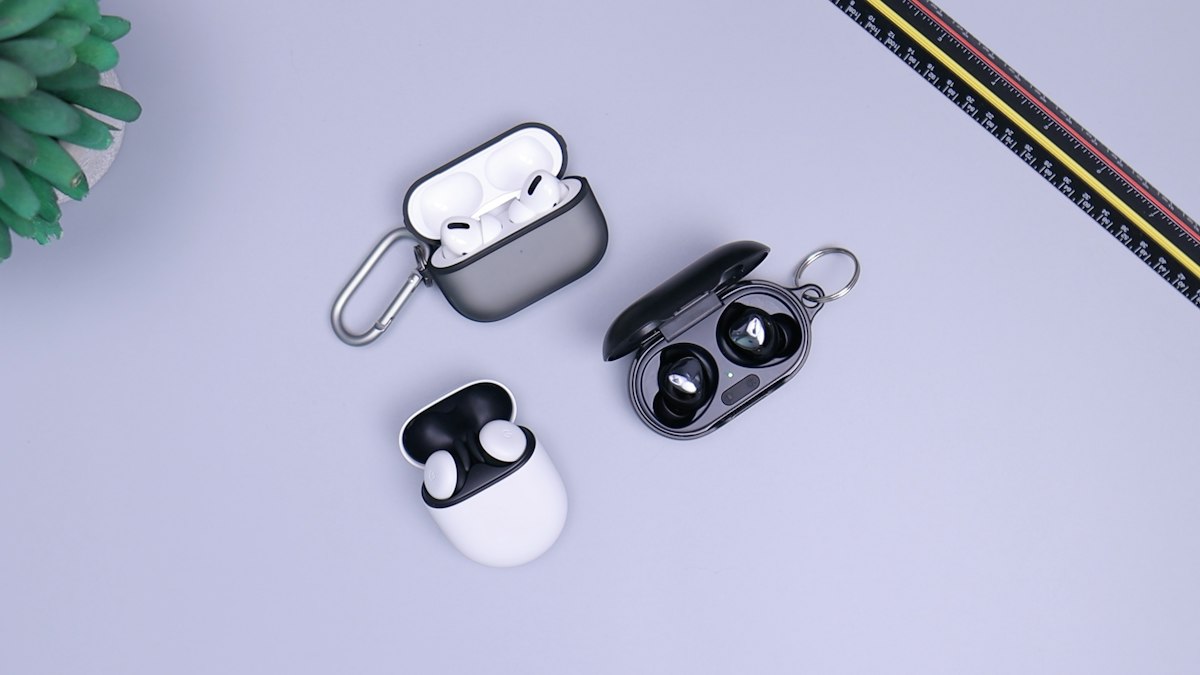
Typical price: $199–$249
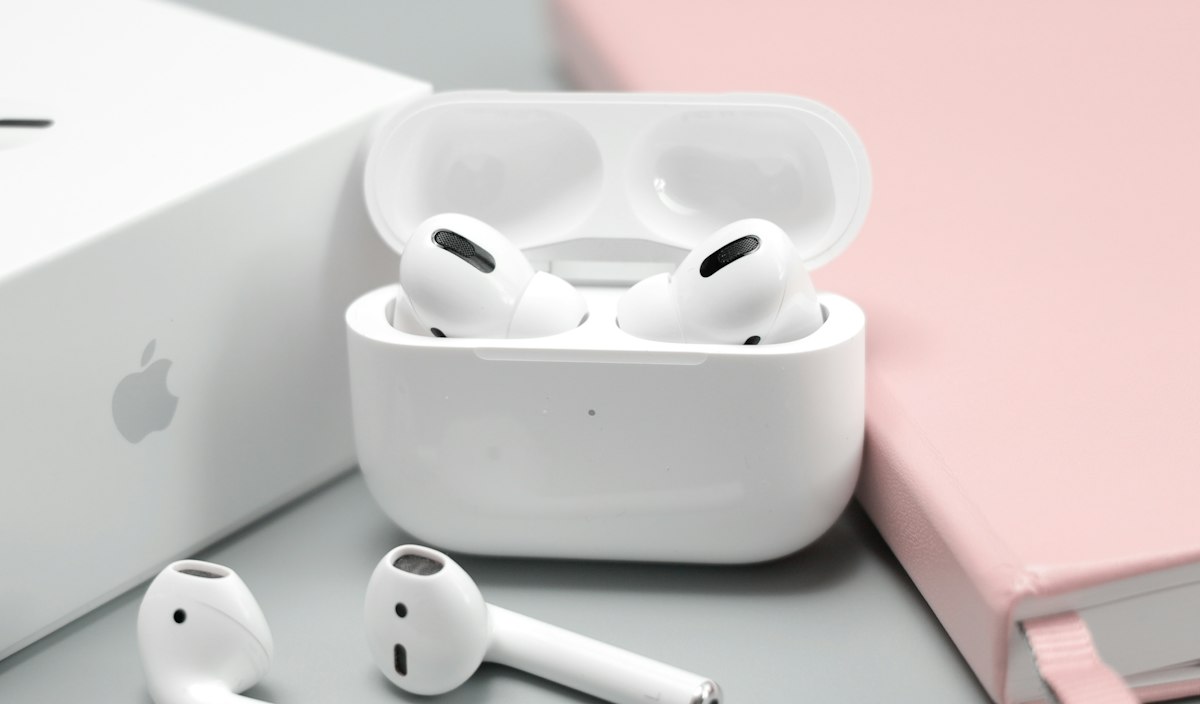
Apple is one of the few major brands that ships an XS tip size in the box, and it's a meaningful difference for anyone who has bounced off the standard small/medium/large range elsewhere. Combined with the in-app fit test that checks seal quality using the earbud's own microphone, this is the pair we'd point most people with smaller ears toward first.
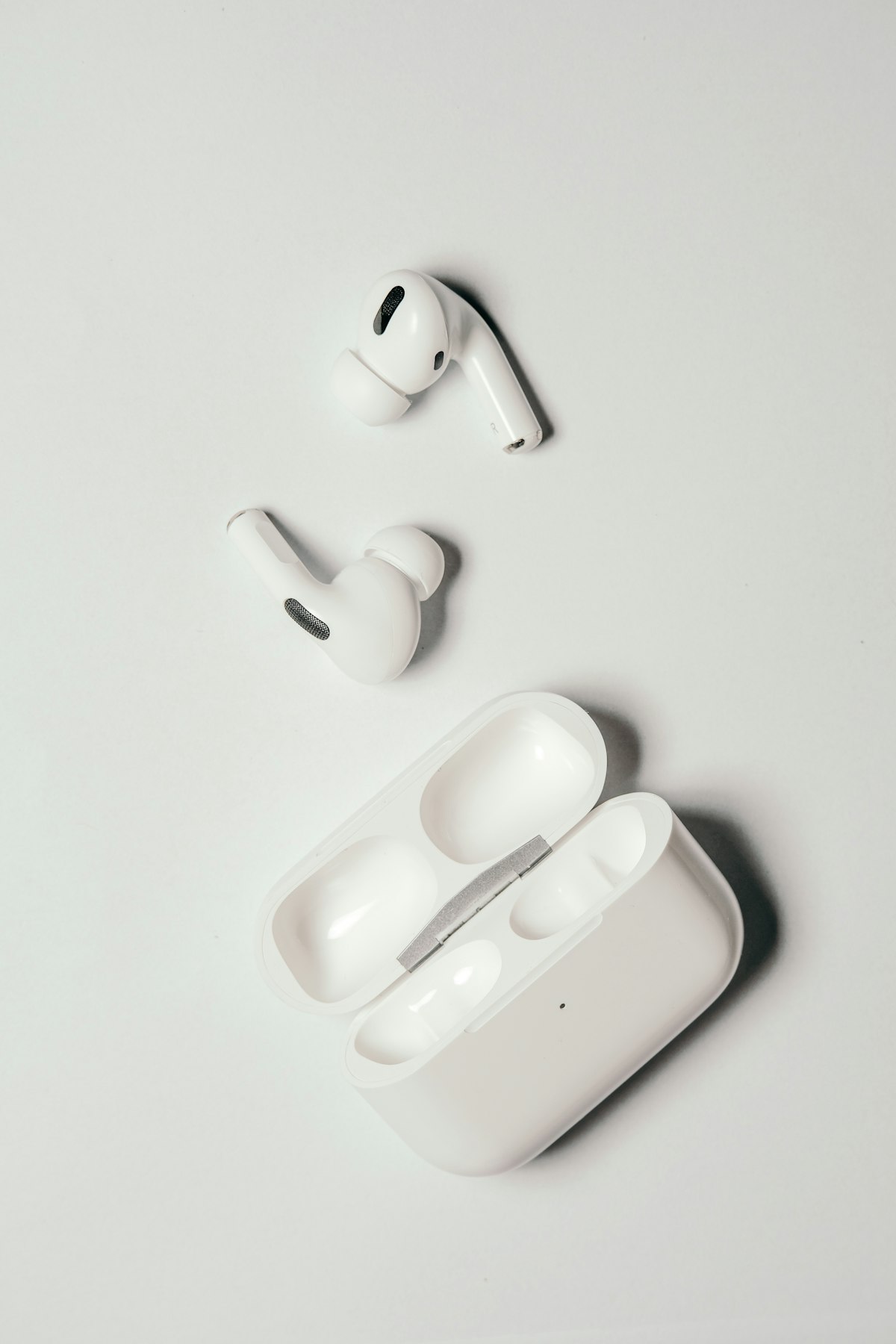
Typical price: $179–$199
Instead of sealing inside the ear canal at all, the LinkBuds Open sit at the outer ear with a distinctive ring-driver design. For people whose issue isn't tip size but genuine discomfort with anything inserted into the canal, this sidesteps the fit problem entirely rather than trying to solve it with a smaller tip.
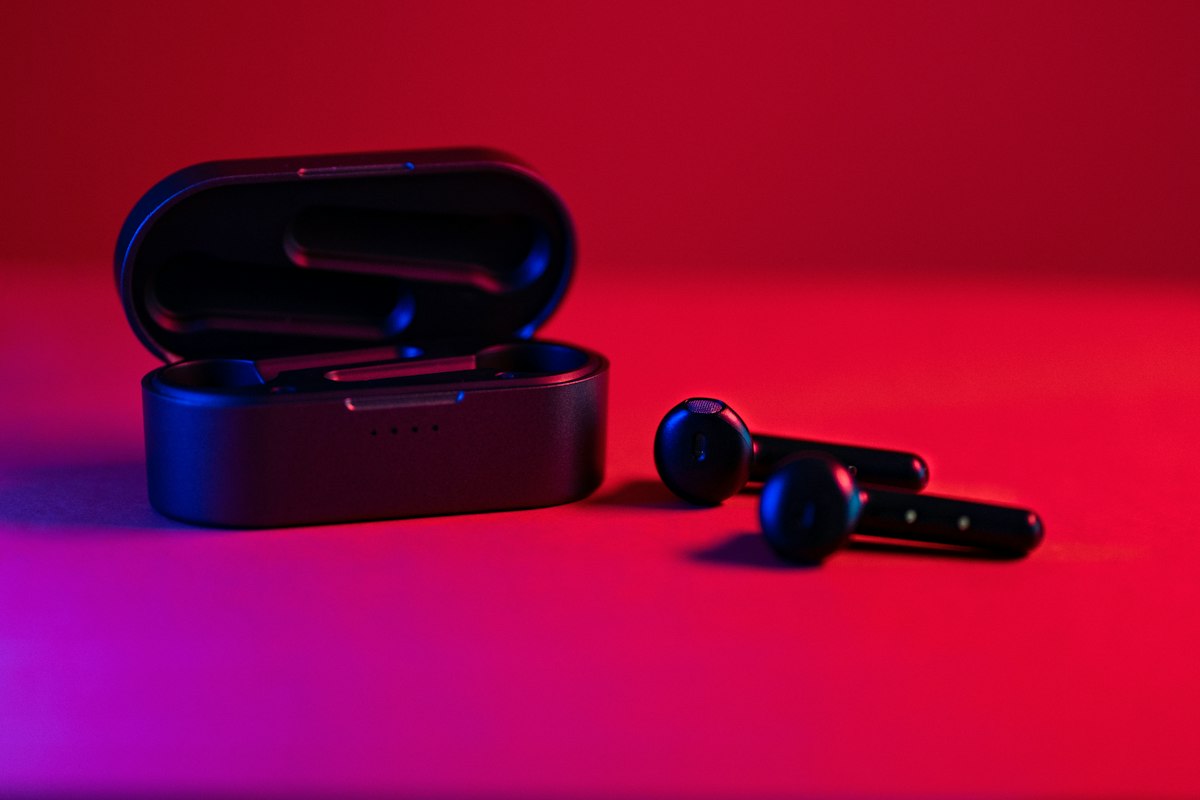
Typical price: $79–$99
Jabra's compact earbud shells are known for running smaller than average even before you factor in tip size, and the included tip range skews toward the smaller end compared to rivals in the same price bracket. It's a sensible starting point for anyone who wants to test whether a smaller shell solves their fit issue without spending premium money to find out.
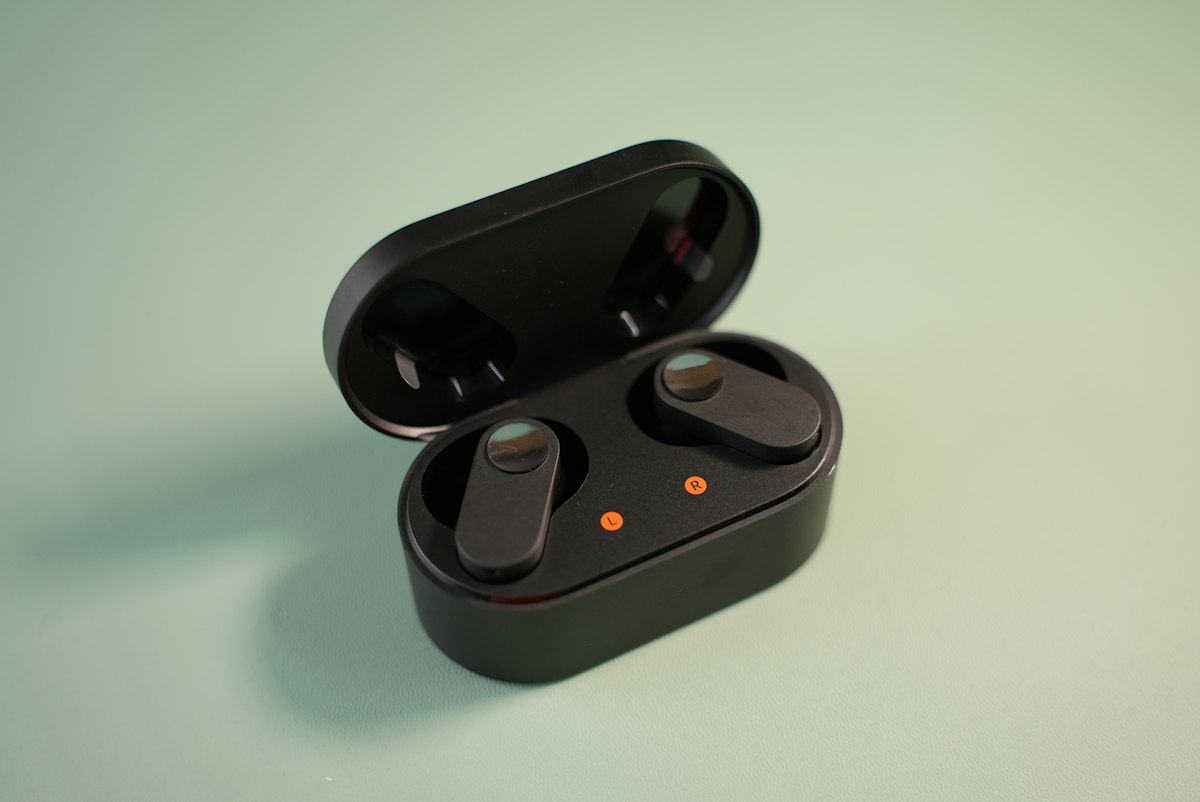
Typical price: $99–$129
Samsung's lighter, smaller-shell earbud held its seal remarkably well through our full test window without any pressure buildup, which matters if you plan to wear earbuds for a full workday rather than short bursts. The included tip range is average, but the shell shape itself sits comfortably in shallower ear geometries.
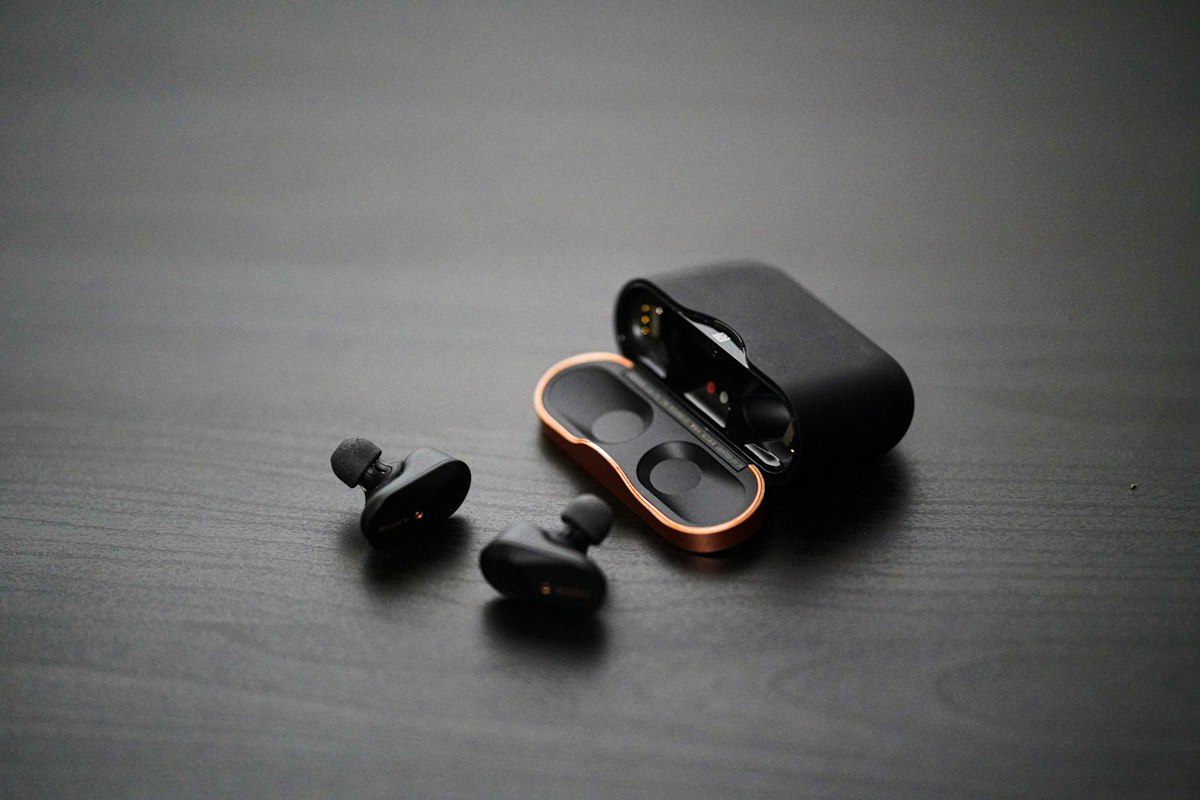
Typical price: $169–$199
Beats added a flexible wingtip to this model specifically to address the earbuds-falling-out complaint, and it's a genuinely different approach from relying on tip size alone. For smaller ears that also need a fit secure enough to survive running or gym sessions, the wingtip does real work that a tip swap can't replicate.
It's tempting to shop for earbuds the same way you'd shop for headphones — by comparing driver size, ANC depth, or codec support. For smaller ears, that's the wrong starting point. An earbud with excellent specs but a poor seal will deliver worse bass response, worse noise isolation, and worse ANC performance than a mediocre earbud that actually seals properly, because a huge amount of what makes an earbud sound good depends on an airtight seal against the canal wall. A leaky seal lets low frequencies escape and lets outside noise in, which is exactly why two people can own the same $250 earbuds and have wildly different experiences with them.
This is also why we don't rank earbuds purely by driver specs or codec support the way we might approach a pair of over-ear headphones; our Bluetooth codecs explainer covers that side of the equation for anyone curious, but codec support is a secondary concern if the tip doesn't fit in the first place. Get the seal right first, then worry about LDAC versus AAC.
There's a practical safety angle here too. A poor seal means you're more likely to compensate by cranking the volume to compete with ambient noise, which is a habit worth being aware of — our guide to safe headphone volume levels lays out exactly where that becomes a hearing-health issue rather than just an annoyance. If you find yourself constantly turning earbuds up because they don't feel like they're delivering enough bass or isolation, it's worth testing whether the actual problem is fit rather than volume.
It's also worth distinguishing "small ears" from a diagnosed hearing difference. Fit problems and hearing-clarity problems are different issues that sometimes get conflated. If turning volume up doesn't seem to help you understand speech clearly regardless of fit, that's a different situation worth reading about separately in our signs of hearing loss guide, and our best headphones for hearing loss article covers models built around adjustable clarity profiles rather than fit alone.
Most manufacturers include a sizing guide or an in-app fit test, and it's worth actually using it rather than guessing based on the size that came pre-installed. Apple's fit test, for example, plays a short tone and uses the earbud's own microphone to measure how much sound leaks out, which is a genuinely useful proxy for real-world seal quality. If your earbuds don't have a built-in test, a low-tech version works almost as well: insert the earbud, play music at a moderate volume, then gently cup your hand over your ear. If the sound noticeably changes when you do that, air is leaking around the tip and you likely need a smaller size or a different tip shape (foam tips, for instance, tend to seal shallower canals better than silicone for some people).
If you've tried the smallest tip a manufacturer includes and it's still not sealing, don't assume earbuds simply aren't for you — third-party tip manufacturers sell smaller aftermarket sizes compatible with most major earbud models, and switching to a shallow-fit or open-style design like the LinkBuds Open sidesteps the entire sizing problem by not relying on a canal seal at all.
In most cases it's a tip-size or tip-shape mismatch rather than a defect. Try the smallest included tip, use a built-in fit test if your earbuds have one, or consider a model with a wingtip or open-ear design built for a more secure or seal-free fit.
Generally, but not always — shell shape matters as much as overall size. A compact shell with the wrong curvature can still feel worse than a slightly larger shell that matches your ear's contour, so it's worth trying more than one brand's shape if the first one doesn't work.
They solve the fit problem differently rather than better. Open designs like the Sony LinkBuds Open avoid canal-size issues entirely but trade away noise isolation and deep bass response, so they suit situational awareness and comfort over sound isolation.
Yes, for most major earbud models. Third-party tip makers sell smaller and differently shaped silicone or foam tips designed to fit popular earbud stems, which is often a cheaper fix than buying an entirely new pair of earbuds.
If fit has been your consistent frustration with earbuds, start with tip size before anything else — the Apple AirPods Pro 3 with its XS tip option is the most reliable fix we tested for genuinely small canals, while the Sony LinkBuds Open is the better call if inserting anything into the ear canal has never been comfortable for you regardless of size. Whichever direction you go, prioritize a verified seal over any spec on the box; everything else about how these earbuds sound depends on getting that part right first.
Independent testing. No manufacturer pays for placement on this site.