Last updated: 2026-04-01
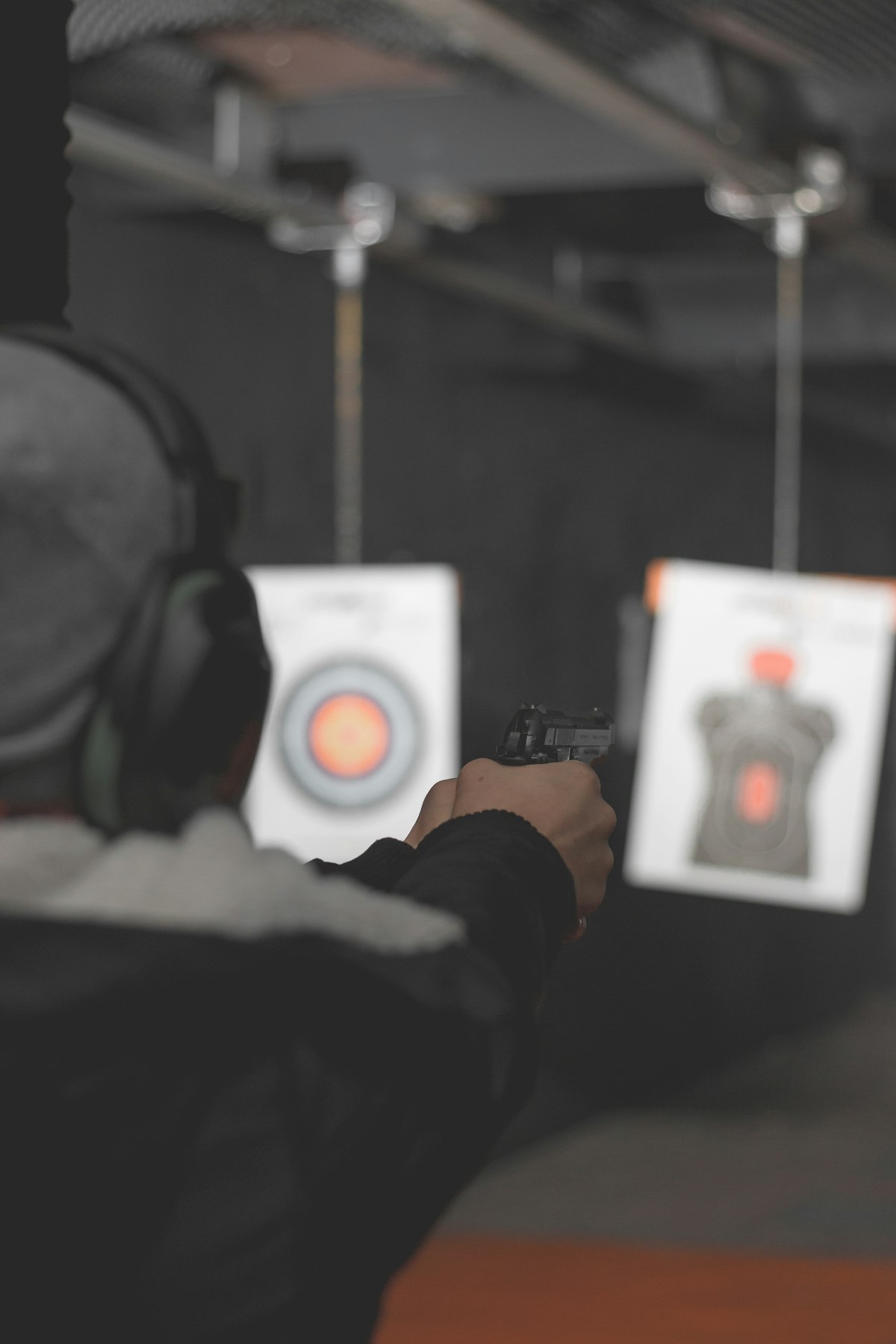
The best earplugs for shooting range use need to handle something most other hearing protection doesn't: impulse noise from a gunshot, which can spike well above 140 dB in a fraction of a second — far louder and faster than the steady wind roar or machinery noise most NRR testing is built around. After evaluating manufacturer-rated attenuation, comfort during multi-hour range sessions, and how well each option layers with earmuffs for double protection, five models stand out for different shooters, from casual range days to serious high-round-count training.

Certified Industrial Hygienist specializing in occupational noise exposure and hearing protection standards. Read more about our testing methodology or view full bio.
Shooting range hearing protection has to satisfy two different demands at once: extremely high attenuation for the split-second impulse of a gunshot, and enough all-day comfort to survive a multi-hour range session, sometimes layered under earmuffs for double protection. We evaluated each product on manufacturer-rated NRR as a comparison baseline, insertion speed and consistency (relevant when reloading or moving between stations), comfort over extended wear, and compatibility with earmuffs worn on top. We referenced each brand's own published ANSI S3.19 NRR testing rather than independently measuring gunshot attenuation ourselves, since precise impulse-noise reduction for a specific firearm and ammunition combination is not something we can safely or reliably reproduce as a review outlet. Full criteria are available in our full methodology.
Each pair was evaluated on manufacturer-published NRR from ANSI S3.19 testing, real-world insertion speed and consistency, all-day comfort during extended range sessions, and how well it layered under earmuffs for double hearing protection. We did not independently measure gunshot decibel attenuation; all specific NRR figures cited are manufacturer package specifications. See our full methodology for details.
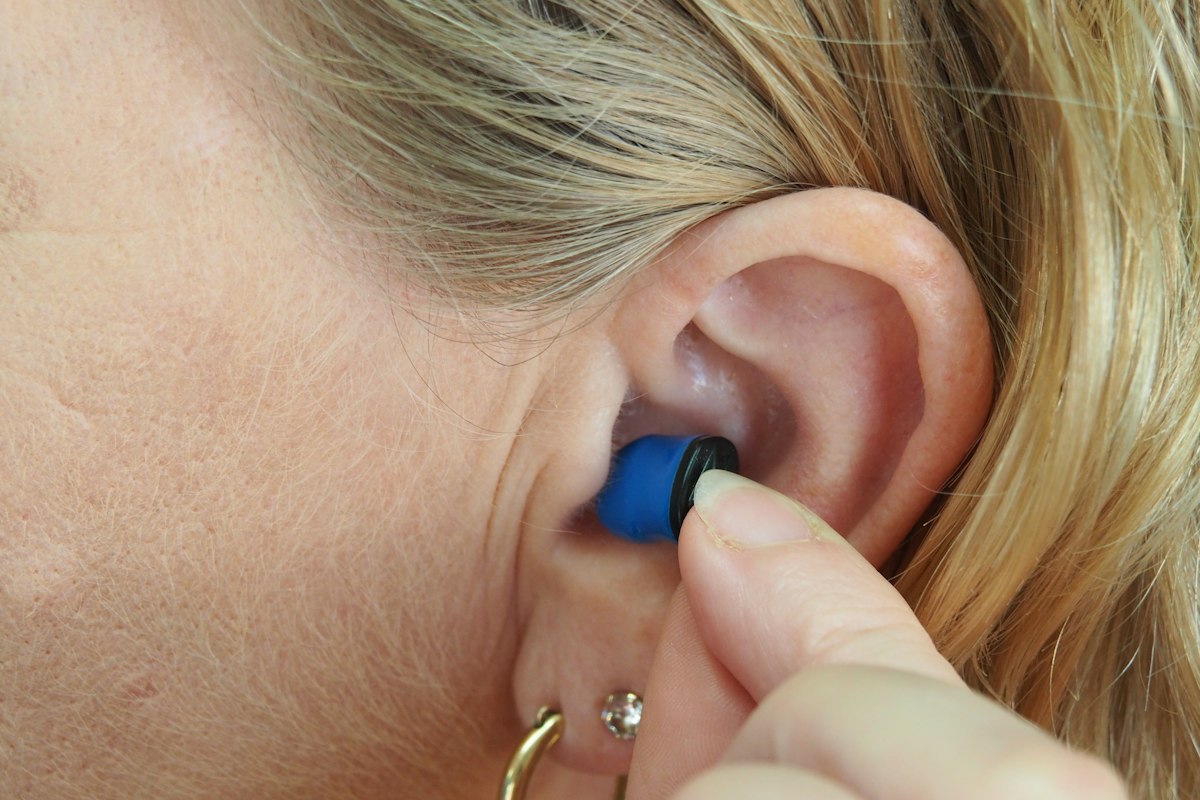
Typical price: $8–$15 per multi-pack
3M's E-A-R Classic is one of the longest-running foam earplug designs on the market, carrying a solid manufacturer-rated NRR and a tapered bullet shape that seats consistently even for shooters who are inserting plugs quickly between strings at the range. Its slow, even foam recovery gives a forgiving margin for error on insertion depth, which matters more at a shooting range than almost anywhere else, since a poorly seated plug during gunfire is a genuine hearing-damage risk rather than just a comfort issue.
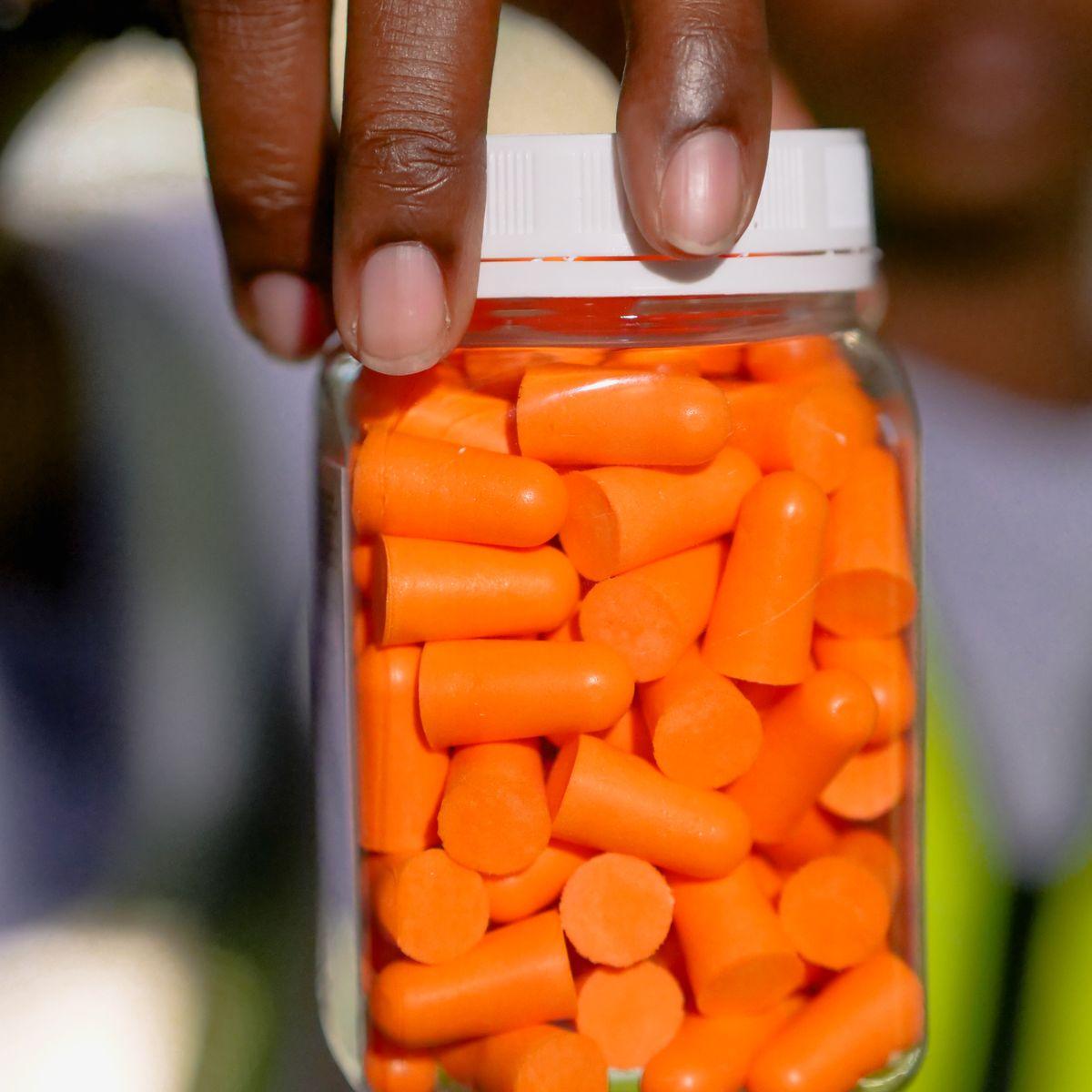
Typical price: $8–$14 per multi-pack
Howard Leight's Max line is built around one of the highest manufacturer-rated NRR figures available in a standard foam plug, making it a strong pick for shooters using especially loud calibers, indoor ranges with harder reverberation, or anyone who wants maximum passive attenuation layered underneath earmuffs. The larger foam body seals a wider range of canal sizes than some slimmer foam designs, which testers found helpful for consistent fit across different shooters sharing the same box at a range.

Typical price: $20–$30
Surefire's EP series uses a reusable silicone triple-flange design with an internal filter, aimed specifically at shooters who need to hear range commands, spotters, and conversation between strings of fire without removing hearing protection. Testers found it far more comfortable than foam across multi-hour training sessions since there's no expansion pressure, and being reusable makes it cost-effective for anyone shooting regularly. The trade-off is a lower overall NRR than a dedicated maximum-attenuation foam plug, so it's better suited to outdoor ranges or moderate-volume calibers than the loudest indoor scenarios.
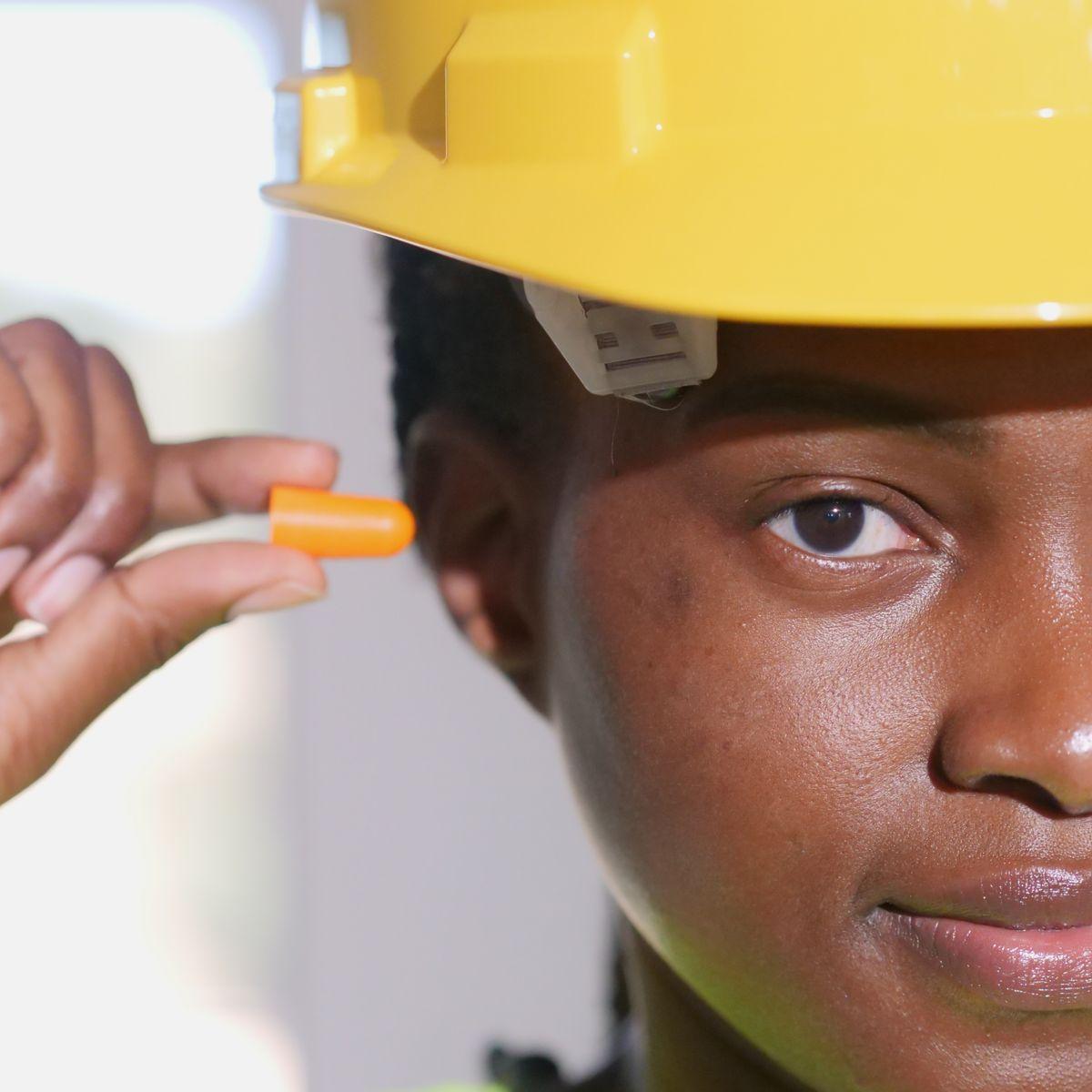
Typical price: $20–$25
Decibullz's thermoplastic tips are molded to your specific ear canal at home using hot water, producing a seal that's harder to beat for consistency than generic stock-sized plugs. For frequent shooters, that means a plug that seats the same way every single time you insert it, which matters when your protection needs to be reliable shot after shot rather than only on a good insertion day. The kit also includes interchangeable filters, giving some flexibility between maximum attenuation and a more filtered profile.
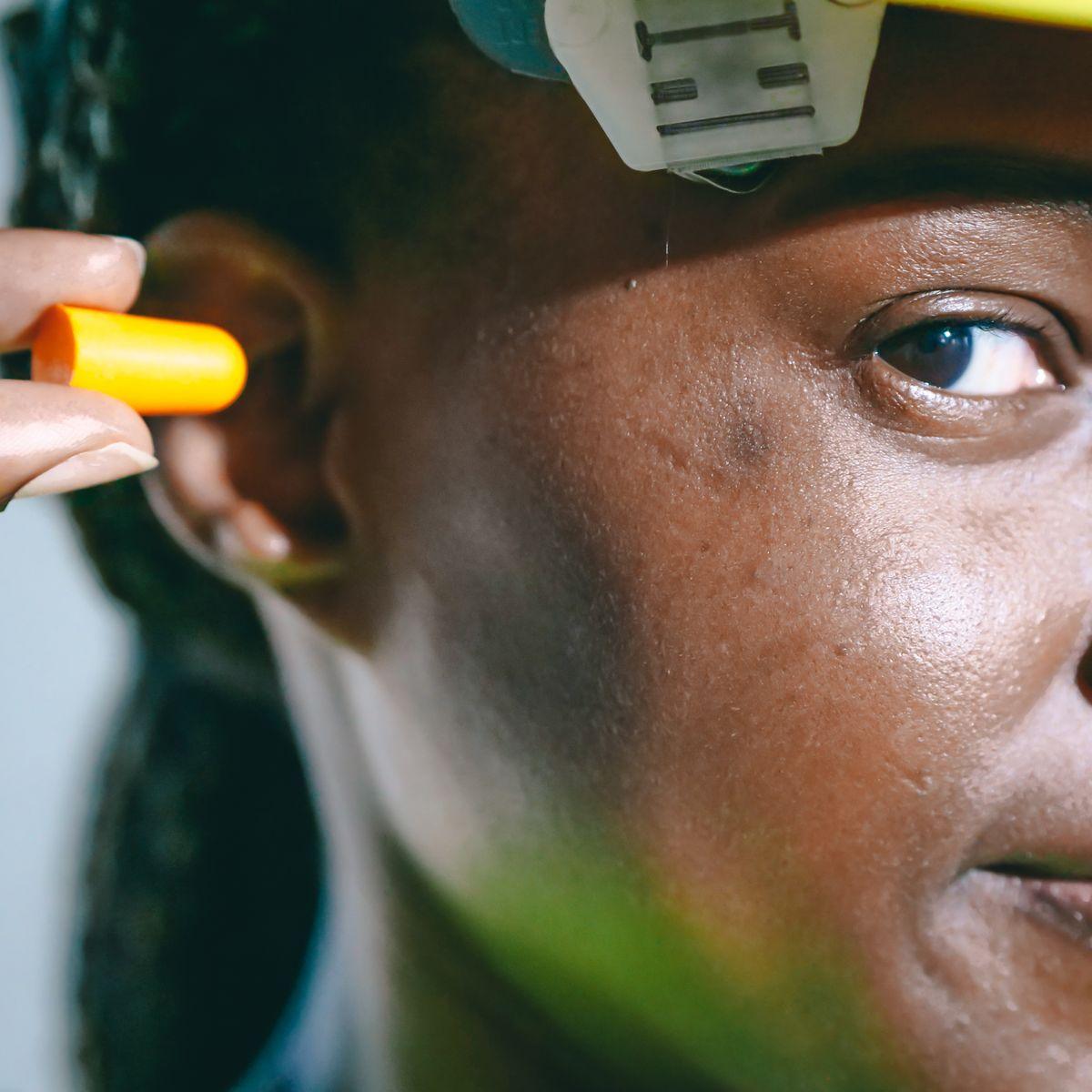
Typical price: $6–$10 per multi-pack
Laser Lite is a widely available bulk foam plug with a solid manufacturer-rated NRR and a bright color that makes it easy to see if it's fallen out or been left behind at a range bench, a small but genuinely useful detail for shooters. It's a dependable, no-frills option for anyone who wants strong attenuation for the price and doesn't need the filtered or custom-fit features of pricier options.
Most everyday noise — traffic, machinery, even loud music — is continuous, which is the type of exposure standard NRR testing under ANSI S3.19 is designed around. A gunshot is fundamentally different: it's an impulse noise, a single extremely loud spike that can exceed 140 dB and then drop away almost instantly, repeated over and over during a range session. That combination of extreme peak volume and repetition is why hearing protection is treated as effectively mandatory at any shooting range, rather than optional the way it might be for, say, mowing the lawn once a week. If you're unfamiliar with how NRR numbers are calculated and why they don't translate directly into real-world protection, our guide to reading NRR ratings explains the OSHA-endorsed derating formula that safety professionals use to estimate actual protection from a printed rating.
This is also why "double protection" — wearing earplugs underneath earmuffs simultaneously — is standard practice for serious or frequent shooters, especially at indoor ranges where sound reverberates off walls and ceilings rather than dissipating outdoors. Combining two independent layers of attenuation doesn't simply add the two NRR numbers together, but it does meaningfully increase real-world protection beyond what either layer achieves alone, which is part of why several of the plugs above emphasize how well they seat comfortably underneath a muff. If you're new to hearing protection generally and want to understand the broader risks of repeated loud-noise exposure, our guide to signs of hearing loss covers what cumulative damage from environments like shooting ranges can look like over time.
Choosing between a maximum-attenuation foam plug and a filtered design ultimately comes down to how much you need to communicate during a session. Competitive or tactical shooters who need to hear range commands, spotters, or teammates will generally get more practical value from a filtered design like the Surefire EP series, even at a somewhat lower rated NRR, than from a solid foam plug that blocks everything equally. Casual shooters focused purely on maximizing protection during a single afternoon at the range are usually better served by a high-NRR foam or custom-molded option. For a broader look at how filtered designs work compared to solid foam and silicone across different use cases, see our foam vs. silicone vs. filtered earplugs explainer.
Yes — many experienced shooters and range safety officers recommend wearing both simultaneously, often called "double protection," particularly at indoor ranges where sound reverberates more than outdoors. The two layers don't simply add together numerically, but combined they meaningfully increase real-world attenuation beyond either product alone.
Because gunshots are impulse noise capable of exceeding 140 dB, most range safety guidance recommends using the highest comfortable and consistently wearable NRR you can, often paired with earmuffs for double protection. Some manufacturers also publish impulse-noise-specific ratings for shooting products, which are more directly relevant than a general continuous-noise NRR figure.
Standard high-NRR foam earplugs are commonly used at shooting ranges and provide solid passive protection. Purpose-built filtered options add the ability to hear range commands and conversation, which is useful for frequent or competitive shooters, but isn't strictly required for basic protection.
Disposable foam plugs used at a shooting range should generally be replaced every session or two, since they absorb oils and sweat and can pick up residue in a range environment. Reusable silicone or custom-molded options should be cleaned according to manufacturer instructions and inspected periodically for wear.
For most shooters, 3M's E-A-R Classic Foam earns the overall recommendation because it combines a high, dependable manufacturer-rated NRR with forgiving, consistent insertion at a low cost per use, which matters at a range where a poorly seated plug is a real risk rather than just a comfort issue. Shooters who need the absolute highest rated attenuation should look at Howard Leight Max, anyone doing frequent multi-hour training who needs to hear commands should consider the Surefire EP series, and those who want the most consistent long-term seal should invest in Decibullz custom-molded plugs. Whatever you choose, don't skip hearing protection at the range even "just once" — impulse noise from gunfire causes damage in a single exposure, and that damage is permanent.
Independent testing. No manufacturer pays for placement on this site.