Last updated: 2026-04-09
The best invisible hearing aids sit deep enough in the ear canal that they're difficult to spot even at close range, but "invisible" comes with real trade-offs most listicles gloss over: smaller batteries, less amplification power for more severe loss, and in several cases a custom ear mold you can only get through a professional fitting. Completely-in-canal (CIC) and invisible-in-canal (IIC) styles are genuinely appealing for anyone who wants discretion above almost everything else, but choosing one without understanding those limitations is how people end up disappointed. This guide covers five real invisible and near-invisible models worth considering in 2026, what each one does well, and where the invisible form factor itself works against you regardless of brand.

Dr. Jennifer Walsh is a Doctor of Audiology with 14 years of clinical experience fitting hearing aids and diagnosing adult hearing loss. Read more about our testing methodology or view full bio.
Completely-in-canal and invisible-in-canal devices are named for how deep they sit — CIC models fill most of the visible canal opening, while true IIC devices, like Phonak's Lyric, sit deep enough near the eardrum that even the wearer often can't see them in a mirror. That depth is exactly what creates the trade-offs. Smaller shells mean smaller batteries, which generally means shorter battery life or, in several IIC designs, no rechargeable option at all since there simply isn't room for a rechargeable cell and its charging contacts in that small a shell.
The same size constraint limits maximum amplification output. Invisible devices are almost universally built for mild to moderate hearing loss, similar to the ceiling on OTC hearing aids, and they are not a realistic option for severe or profound loss regardless of manufacturer. Several of the models below also require a custom ear mold, meaning an audiologist takes an impression of your specific ear canal and a lab manufactures a shell to that exact shape — a process that adds time and cost compared to an instant-fit device you can walk out wearing the same day.
We compared each device's manufacturer-published specifications — battery type and rated life, whether a custom mold is required, and FDA device classification — against real-world wearer feedback patterns and fitting requirements described in each manufacturer's own clinical documentation. Because these are custom-fit medical devices, we did not attempt to independently replicate lab output measurements; see our full methodology for how we approach reviews like this one.
Typical price: $1,600–$2,400 per ear, per year (subscription model)
Lyric is placed by a trained audiologist deep in the ear canal and is designed to stay in place around the clock, including through showers and sleep, for weeks at a time before it's removed and a fresh device is placed. It's the most genuinely invisible option on this list, since it's the only one positioned close enough to the eardrum that it's essentially undetectable even to the wearer.

Typical price: $1,800–$3,200 per pair
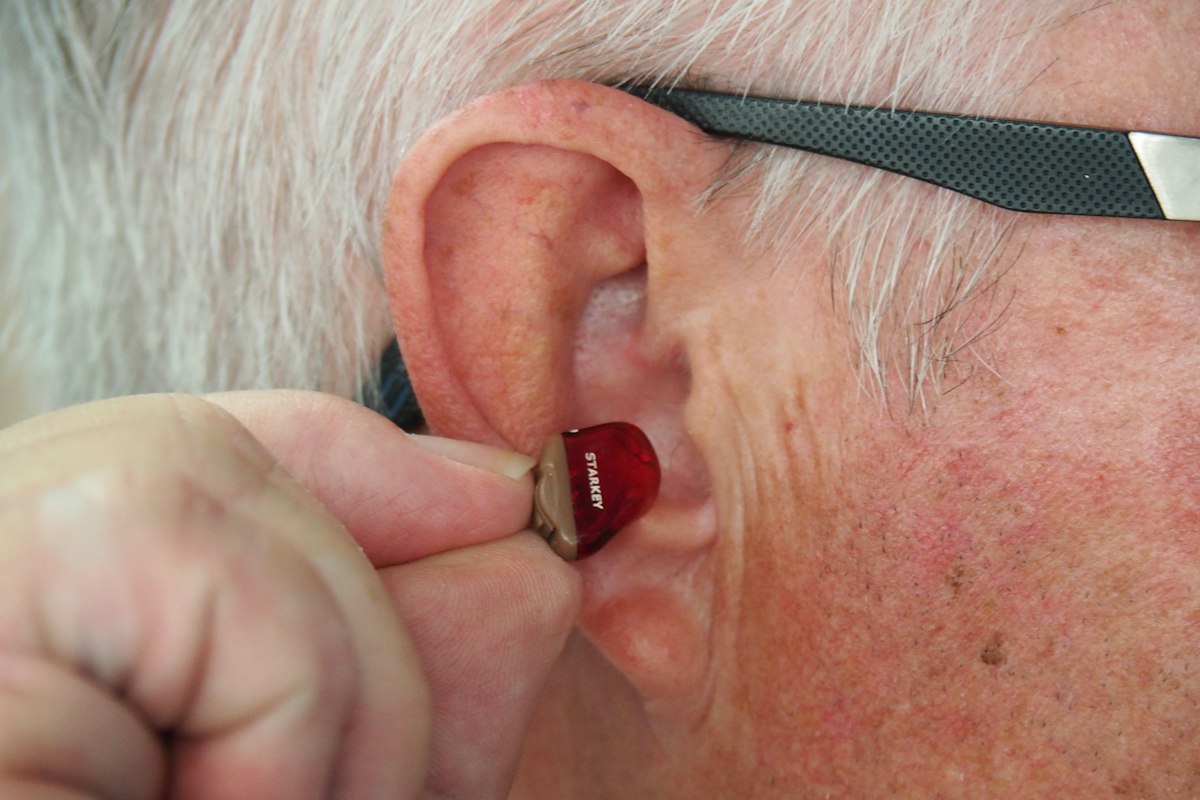
Picasso is built from a physical ear mold taken by an audiologist, which typically produces the most secure, comfortable long-term fit of any device in this category, since the shell is manufactured to your exact canal shape rather than a generic size range.
Typical price: $1,500–$2,800 per pair
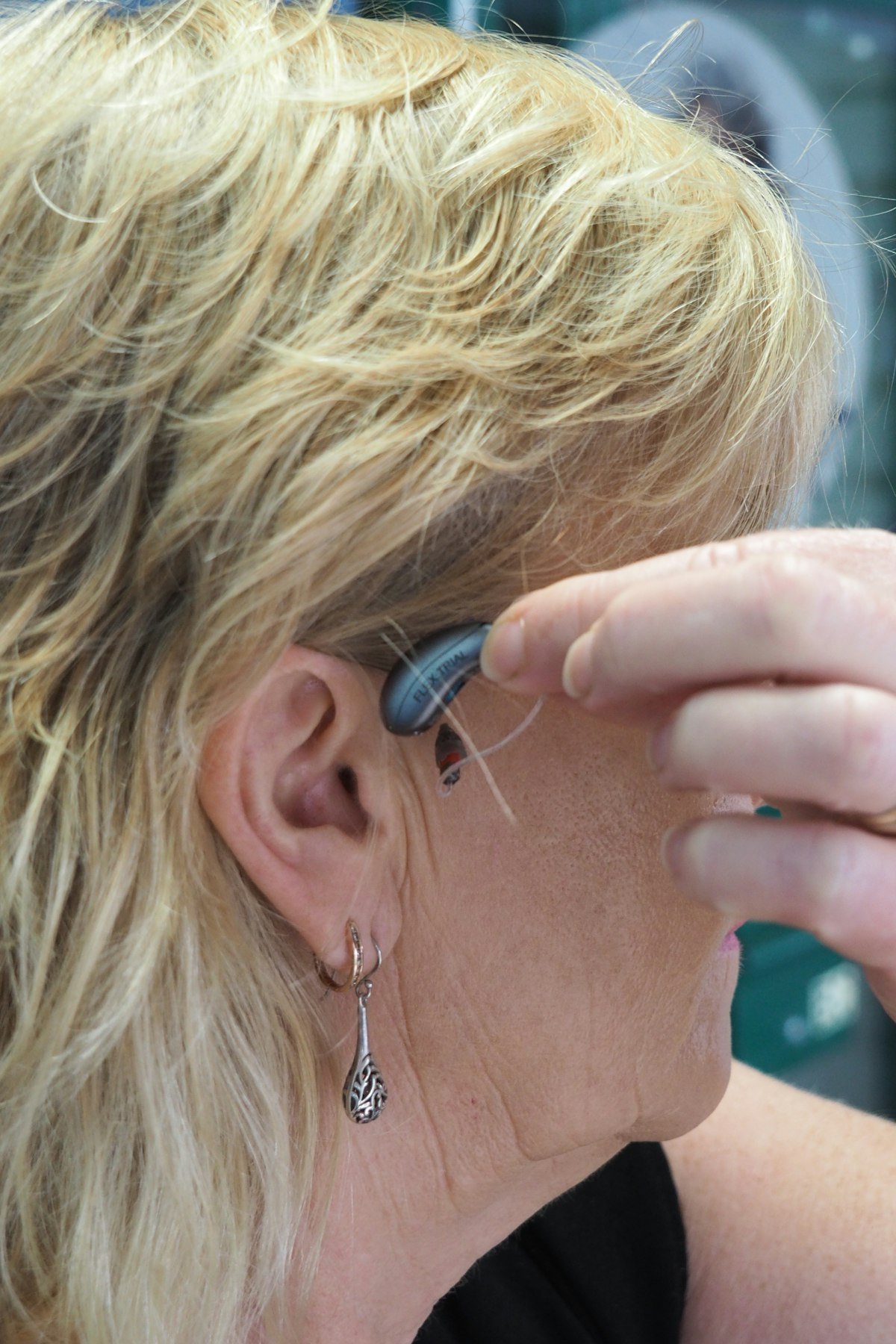
Silk X uses soft, flexible click sleeves in a few standard sizes instead of a custom ear mold, which means you can typically be fitted and walk out wearing it the same day rather than waiting for a lab-made shell.
Typical price: $2,650–$2,950 per pair
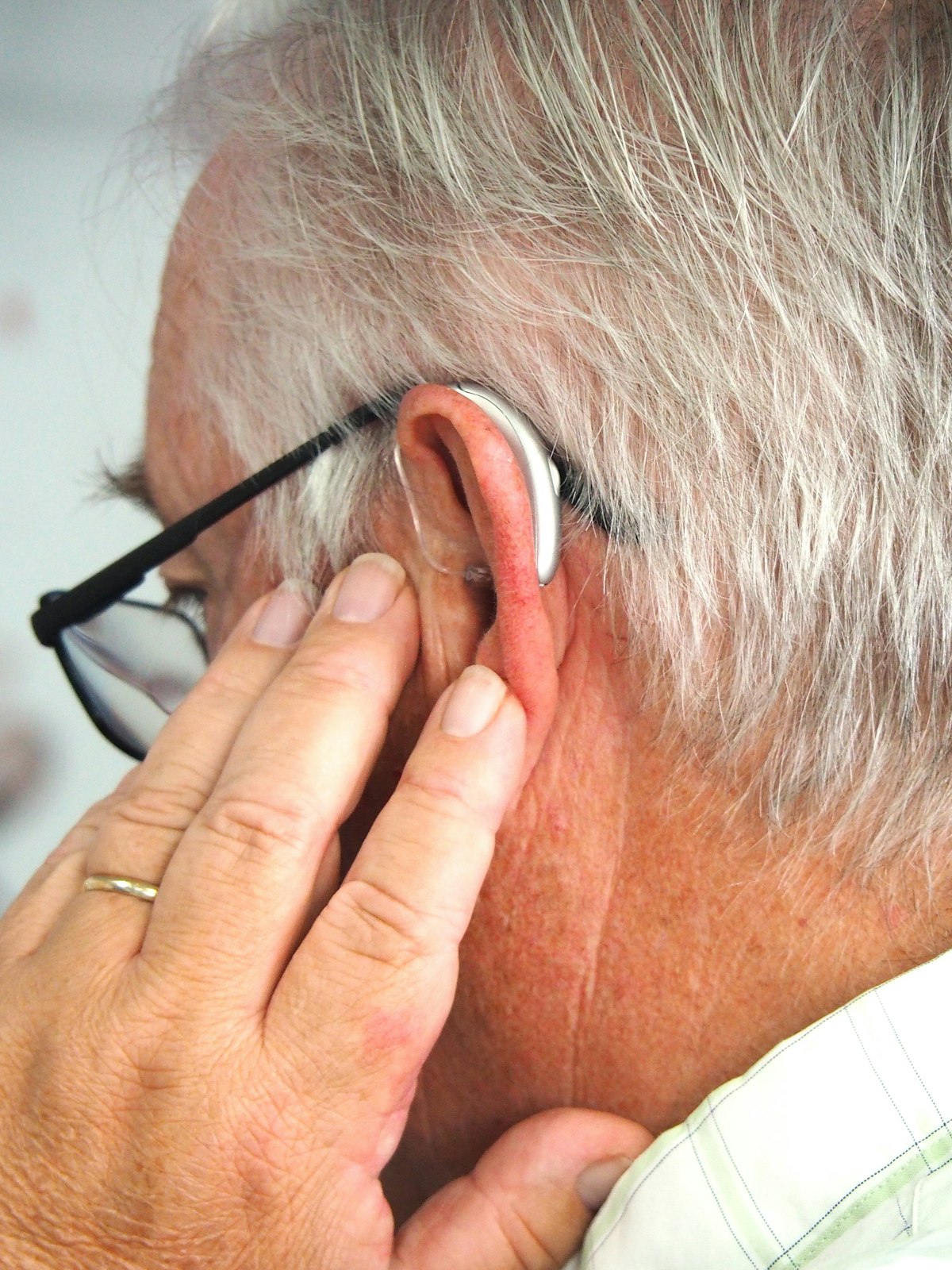
Eargo takes a different engineering approach than the strictly custom or extended-wear designs above: a soft, flexible petal design that sits comfortably in the canal opening without a custom mold, while still being one of the more discreet options available, and notably one of the few in this category with a rechargeable battery.

Typical price: $1,900–$3,400 per pair
Widex has built its reputation around processing designed to preserve a more natural, less "processed" sound quality, and its custom CIC shells carry that same sound philosophy into a fully in-canal, discreet form factor fitted from an ear mold impression.
If your hearing loss is moderately severe to severe, none of the devices above are built to handle it — the small shell size that makes them invisible also caps how much amplification they can safely deliver before feedback becomes a problem. In that case, a larger behind-the-ear or receiver-in-canal prescription device, even though it's more visible, will simply perform better and more safely. It's worth confirming your actual severity with a real hearing test rather than assuming based on the signs of hearing loss you've noticed, since self-assessment and a formal audiogram don't always agree.
People with very narrow or unusually shaped ear canals, a history of frequent ear infections, or significant earwax buildup issues are also generally steered away from deep-insertion designs like Lyric by audiologists, since those conditions can make extended-wear placement uncomfortable or medically inadvisable. And if cost is the primary constraint, it's worth knowing this entire category tends to sit at the higher end of the typical prescription hearing aid cost range, partly because of the custom manufacturing and professional fitting time involved — a value-focused option like the devices reviewed in our Costco hearing aid review may be a better financial fit if discretion isn't your top priority.
No. The small shell size in every invisible or completely-in-canal design limits maximum output, which is why this category is generally restricted to mild-to-moderate hearing loss rather than severe cases.
No. Devices like Signia Silk X and Eargo 7 use flexible standard-size or soft petal designs that don't require a custom mold, while others, like Starkey Picasso and Widex's custom CIC line, do require one.
No. Lyric is designed to be placed and removed by a trained provider, not by the wearer, which is part of what allows it to be worn continuously for weeks at a time.
Rechargeable cells and their charging contacts take up more physical space than a small disposable battery, and the shells in this category are already at the size limit needed to stay discreet, so most manufacturers prioritize size over rechargeability.
If true, near-total invisibility and continuous wear matter most to you, Phonak Lyric is the standout pick, since no other device on this list sits as deep or stays in as long without daily handling. If you'd rather avoid a subscription model and want a one-time purchase with a highly secure fit, Starkey Picasso's custom-molded approach is the stronger everyday choice — just go in with realistic expectations about battery type and amplification ceiling, since those limitations come with the invisible form factor itself, not with any particular brand's shortcomings.
Independent testing. No manufacturer pays for placement on this site.