Last updated: 2026-09-03
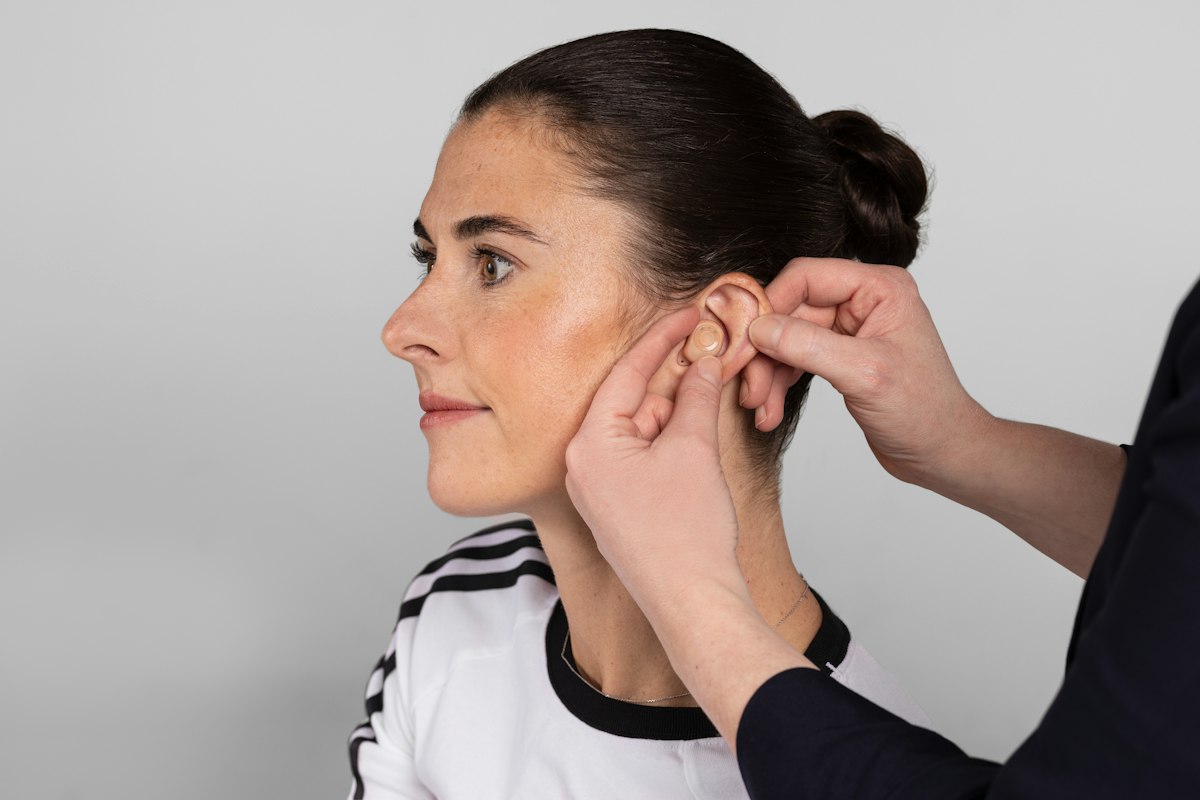
Costco hearing aids have built a loyal following for a simple reason: the Hearing Aid Centers inside many Costco warehouses sell the private-label Kirkland Signature line, fitted by in-house licensed audiologists, at prices that routinely undercut private-practice equivalents by hundreds to thousands of dollars. But "cheaper" isn't the whole story, and whether Costco is actually worth it depends on factors that don't show up on the price tag — brand exclusivity, membership requirements, and how much choice you get compared to a private practice with access to every major manufacturer. This review breaks down exactly what you get with Costco's hearing aid program, what you give up, and who it's genuinely the right fit for.

Dr. Jennifer Walsh is a Doctor of Audiology with 14 years of clinical experience fitting hearing aids and diagnosing adult hearing loss. Read more about our testing methodology or view full bio.
Costco Hearing Aid Centers operate inside select warehouse locations and are staffed by licensed hearing instrument specialists or audiologists, depending on state licensing requirements. The process mirrors a standard private-practice visit: a diagnostic hearing exam, a consultation about your specific hearing loss and lifestyle needs, a fitting appointment, and follow-up visits for adjustments, all handled in-house rather than outsourced.
The core difference is the product line. Rather than offering the full catalog of major hearing aid manufacturers the way many private practices do, Costco sells almost exclusively under its own Kirkland Signature brand, along with a small number of other house-labeled devices. These are not devices Costco engineers from scratch — they're manufactured by known hearing aid companies and rebranded exclusively for Costco, similar to how Kirkland Signature works across other product categories in the store. If you're still deciding whether OTC or a prescription route like this makes more sense for your situation, our OTC vs. prescription comparison is a useful starting point before booking an appointment.
Appointment scheduling works much the way it does at any audiology practice: you book a time slot at your local warehouse's Hearing Aid Center, arrive for the diagnostic exam, and receive a written summary of your results. If a Costco specialist determines your loss is outside what their available devices can appropriately address — a case of significant asymmetry between ears, for instance, or loss severe enough to need a specialized power device — a responsible location will say so and refer you elsewhere rather than fit you with something inadequate. That kind of honest gatekeeping is worth confirming with your specific location, since staffing and licensing structure can vary somewhat by state and by warehouse.
We evaluated Costco's program based on publicly available pricing at multiple Hearing Aid Center locations, the manufacturer-published specifications behind the current Kirkland Signature devices, and the structure of the included fitting and follow-up services as described by Costco's own program documentation. Full detail on our review approach is in our full methodology.
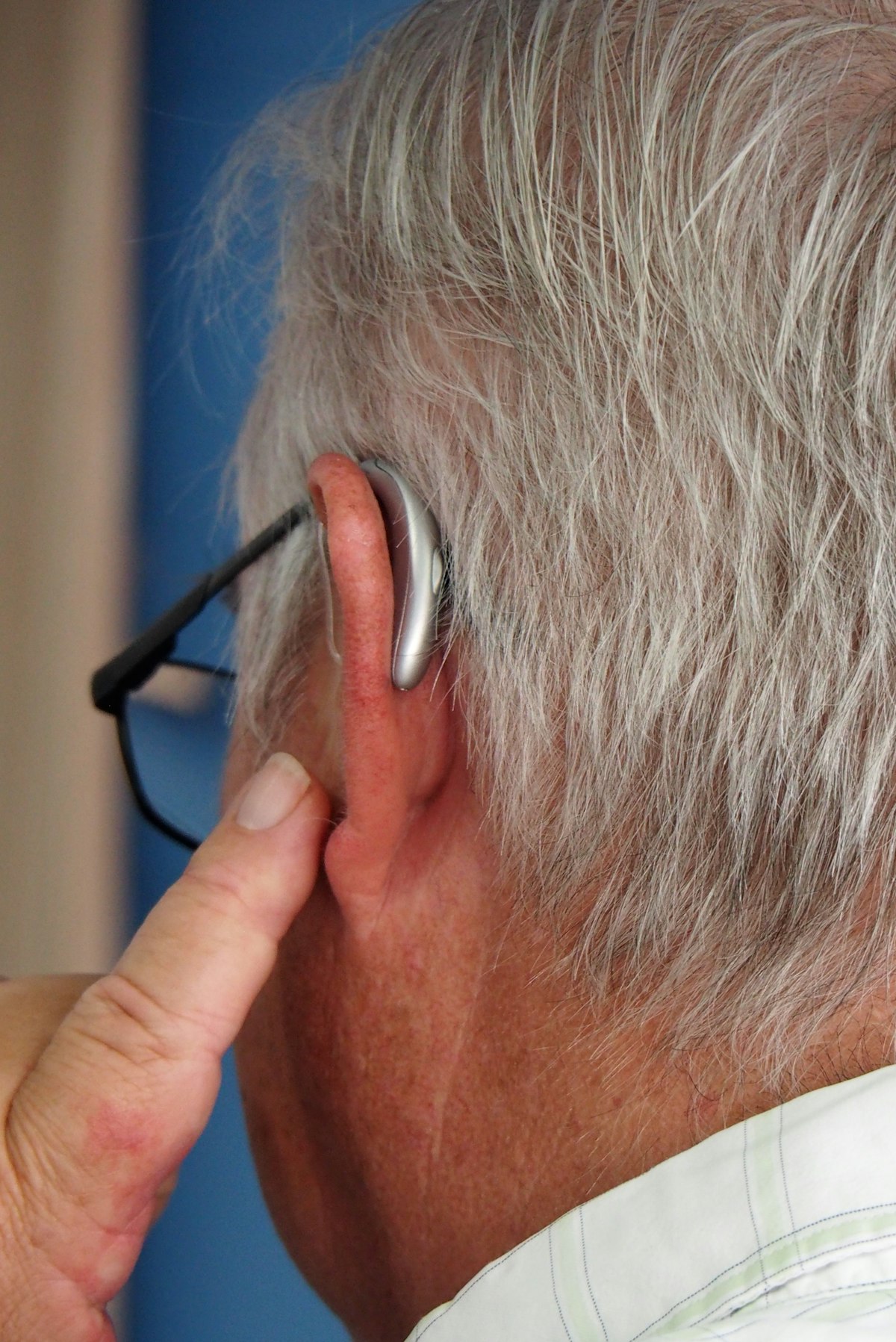
Typical price: $1,500–$3,000 per pair, fitting included
The current Kirkland Signature line is manufactured in partnership with a major hearing aid company and rebranded exclusively for Costco, offering rechargeable battery options, Bluetooth streaming to compatible phones, and multiple channels for frequency-specific adjustment. It's a genuinely capable mid-tier device, not a stripped-down budget product, and the price includes the exam, fitting, and a defined follow-up period.
| Costco Hearing Aid Centers | Typical Private Practice | |
|---|---|---|
| Device price (pair, mid-tier equivalent) | $1,500–$3,000 | $2,500–$5,000 |
| Brand selection | Kirkland Signature (house brand) primarily | Multiple major manufacturers, buyer's choice |
| Fitting included | Yes, by in-house licensed staff | Yes, typically by the practice's audiologist |
| Follow-up adjustments | Typically included long-term for members | Included for a defined window, often 60–90 days |
| Membership required | Yes, active Costco membership | No |
The price gap is real and consistent across most markets we looked at, generally landing somewhere between several hundred and well over a thousand dollars less for a comparable technology tier at Costco. That said, "comparable" is doing some work in that sentence, since you're comparing a rebranded device against name-brand equivalents rather than the exact same product — see the next section for what that trade-off actually means.
You cannot walk into a Costco Hearing Aid Center and purchase devices, or in most cases even book a hearing exam, without an active Costco membership. At current membership pricing, that's an annual cost that needs to be factored into your true total, though for most buyers it's a small fraction of the savings versus private-practice pricing, and many people already hold a membership for grocery and household shopping anyway.
Where this becomes more of a real constraint is with follow-up visits. If your membership lapses, ongoing adjustment appointments may not be available until you renew, which is worth planning around, particularly since hearing aids typically need periodic reprogramming as your hearing or lifestyle changes over the years you own the devices.
It's also worth noting that Costco offers multiple membership tiers, and the entry-level tier is sufficient for accessing the Hearing Aid Center — you don't need the higher-priced executive membership to qualify for service. Some buyers who were on the fence about joining Costco at all find that the hearing aid savings alone justify the membership fee within the first purchase, especially when comparing against private-practice quotes for a similar technology tier. That said, if you never plan to shop at Costco for anything else, it's fair to treat the membership fee as a real, if modest, addition to your total cost of ownership rather than ignoring it.
This is the most legitimate trade-off in the whole Costco proposition. Private practices that carry multiple manufacturers can match you to a specific brand's strengths — one company's devices might handle wind noise better, another might have a more comfortable canal fit for smaller ear anatomy, another might integrate more smoothly with a specific phone ecosystem. Costco's Kirkland Signature approach means you're choosing from a narrower lineup, generally spanning a couple of technology tiers and a handful of form factors, rather than shopping across the entire market.
For most buyers with straightforward mild-to-moderate hearing loss, this narrower selection isn't a meaningful problem, since the underlying technology is licensed from a genuine major manufacturer rather than being some inferior no-name product. But if you have unusual ear canal anatomy, a strong style preference, or hearing loss complex enough that you'd benefit from comparing multiple manufacturers' approaches side by side, the limited catalog is a real constraint worth knowing about going in.
Style options within the Kirkland Signature line itself have expanded over recent product generations, now spanning behind-the-ear and receiver-in-canal form factors with rechargeable and Bluetooth-enabled variants. What you won't find is the fully invisible, deep-canal category some private-practice patients seek out — if that level of discretion matters more to you than price, our best invisible hearing aids guide covers dedicated IIC and CIC options that Costco's current lineup doesn't really compete with.
Costco's program is a strong fit for existing members with mild to moderately severe hearing loss who want professional in-person fitting without private-practice pricing, and who don't have a strong reason to need a specific non-Kirkland brand. It's also a reasonable fit for budget-conscious buyers comparing this option against the typical cost tiers for prescription devices, since Costco routinely lands at the lower end of the mid-tier prescription range while still including professional fitting.
It's also a sensible choice for people who've already been through the hearing aid process once with a different manufacturer and know generally what they need, since Costco's staff can typically match your prior audiogram and preferences to an equivalent Kirkland Signature technology tier without much guesswork. Repeat hearing aid buyers tend to have realistic expectations about what a mid-tier device can and can't do, which lines up well with what Costco's current lineup is built to deliver.
If your hearing loss is complex, asymmetric, or severe enough to benefit from comparing multiple manufacturers, or if you simply want more style and color options than the current Kirkland Signature lineup offers, a private practice with a broader catalog is worth the added cost. It's also worth confirming your loss actually needs a prescription device at all — if you suspect it's genuinely mild, our best OTC hearing aids of 2026 guide covers a cheaper category entirely, and it's worth ruling that out first with an honest look at your signs of hearing loss.
Generally yes — Costco Hearing Aid Centers require an active membership for exams and services, not just for purchasing devices, though policies can vary slightly by location.
No. Like other Kirkland Signature products, they're manufactured by an established hearing aid company and sold under Costco's private label exclusively through its Hearing Aid Centers.
Generally no. Costco's in-house adjustment and follow-up services are built around the devices it sells, not third-party hearing aids purchased at a different practice.
It depends on the category. Direct-to-consumer OTC brands can be cheaper than Costco's prescription-tier devices, but Costco includes professional fitting and exam services that most pure online OTC purchases don't.
Overall, Costco's Hearing Aid Centers are a genuinely good value for the right buyer: mid-tier prescription-grade hearing aids, fitted by licensed professionals, at prices that consistently beat private practice, with the trade-off being a narrower brand catalog and a membership requirement. If neither of those trade-offs bothers you and your hearing loss falls in the range these devices are built for, Costco is one of the stronger value plays in the entire prescription hearing aid market right now.
Independent testing. No manufacturer pays for placement on this site.