Last updated: 2026-03-24
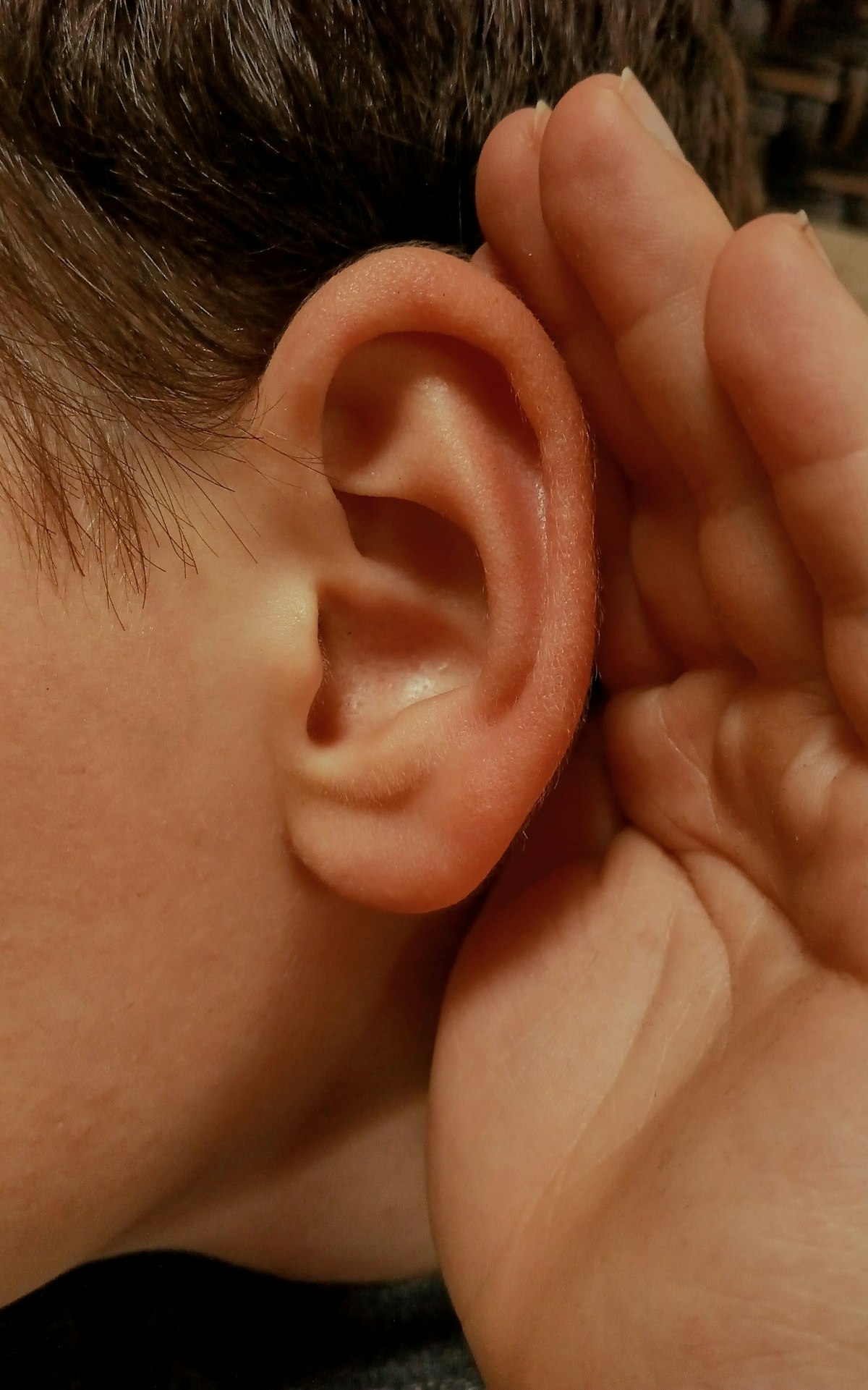
What causes tinnitus is one of the most common questions we hear from readers who suddenly notice a ringing, buzzing, hissing, or humming sound with no outside source — and the honest answer is that tinnitus isn't one condition with one cause. It's a symptom that can stem from several distinct underlying issues, ranging from completely benign and temporary to, in rare cases, something that needs prompt medical evaluation. This guide breaks down the real, distinct causes of tinnitus, explains which patterns are red flags versus routine, and covers the management approaches that actually have evidence behind them.

Dr. Jennifer Walsh is a Doctor of Audiology with 14 years of clinical practice fitting hearing aids and diagnosing adult hearing loss. Read more about our testing methodology or view full bio.
Tinnitus is the perception of sound — ringing, buzzing, hissing, clicking, or humming — without any actual external sound source producing it. It's estimated to affect a significant share of adults at some point, ranging from brief episodes lasting seconds to persistent, chronic tinnitus that lasts months or years. Importantly, tinnitus itself is a symptom, not a disease. It's your auditory system signaling that something has changed, similar to how pain signals an injury. That means effective management almost always starts with figuring out which underlying cause is producing it, rather than treating "tinnitus" as a single uniform problem.
Tinnitus is often, though not always, associated with some degree of hearing loss. The leading theory is that when the inner ear's hair cells stop sending certain frequency information to the brain, the brain's auditory processing centers can become hyperactive in that frequency range, generating phantom sound to fill the gap. This is why tinnitus and hearing loss frequently show up together and why some of the most effective management approaches for tinnitus also happen to be hearing loss treatments.
Loud noise exposure is one of the most common triggers of tinnitus, and most people have experienced a mild version of it firsthand: the temporary ringing after a concert, fireworks display, or a loud shift with power tools. This short-term version, sometimes called a temporary threshold shift, usually resolves within a day or two as the tiny hair cells in the inner ear recover from the acoustic stress of the loud exposure. But repeated exposure, or a single extremely loud event like an explosion or gunshot at close range, can cause lasting damage to those hair cells, and the tinnitus that follows can become permanent.
This is the category of tinnitus most directly tied to prevention, since noise-induced damage is cumulative and largely avoidable with proper hearing protection. Musicians, concertgoers, factory and construction workers, and hunters all face elevated risk, and it's exactly the population our guides on hearing protection for shooting ranges and safe headphone listening levels are written for. If your tinnitus started or worsened noticeably after a specific loud event, noise exposure is the most likely explanation, and it's worth being more careful going forward even if this episode resolves on its own.
Presbycusis, the gradual, age-related decline in hearing that affects most people to some degree by their 60s and 70s, frequently brings tinnitus along with it. As the hair cells in the inner ear gradually wear down over decades of use, the same mechanism described above — the brain compensating for missing frequency input by generating phantom sound — can kick in slowly rather than after a single loud event. Age-related tinnitus tends to develop gradually, is often more noticeable in quiet environments like a bedroom at night, and frequently accompanies the other early signs of hearing loss, like difficulty following conversation in noisy restaurants or a rising need for higher TV volume.
Because age-related tinnitus and age-related hearing loss share the same root cause, addressing the hearing loss with properly fitted hearing aids is often one of the most effective ways to reduce how bothersome the tinnitus feels, even though it doesn't "cure" it in a literal sense. We cover this connection in more detail in our guide to over-the-counter hearing aids.
A number of medications are known to cause or worsen tinnitus as a side effect, a category broadly referred to as ototoxic drugs. High doses of aspirin and other NSAIDs, certain classes of antibiotics (particularly some administered intravenously in hospital settings), loop diuretics, and several chemotherapy agents are among the more commonly cited examples. In many cases, medication-induced tinnitus is dose-dependent and reversible once the medication is stopped or the dose is adjusted, but this should always be done under a physician's guidance rather than by abruptly discontinuing a prescribed medication on your own.
If tinnitus started shortly after beginning a new medication, or after a dose increase, it's worth mentioning to the prescribing doctor rather than assuming it's unrelated. They may be able to switch you to an alternative or adjust dosing, and in some cases simply knowing that a medication is the likely cause is reassuring on its own, since it points to a specific, often manageable explanation rather than an open-ended mystery.
Some of the most easily fixed causes of tinnitus are also among the most common, which is good news if this turns out to be your situation. Impacted earwax can physically block the ear canal, and beyond causing muffled hearing, it can trigger tinnitus by putting pressure on the eardrum or by allowing sound to reflect and distort inside the blocked canal. A middle-ear infection or fluid buildup behind the eardrum, often following a cold or sinus infection, can produce a similar effect. Both are typically resolved with straightforward treatment — earwax removal by a professional, or treatment of the underlying infection — and the tinnitus usually resolves along with the underlying issue.
Jaw problems, specifically temporomandibular joint (TMJ) disorders, are a less obvious but genuinely common cause, since the jaw joint sits very close to the ear canal and shares some nerve pathways with auditory structures. If your tinnitus seems to change when you clench your jaw, chew, or move your mouth in certain ways, TMJ involvement is worth raising with a dentist or doctor, since treating the underlying jaw issue can sometimes resolve tinnitus that had no other clear explanation.
Beyond the categories above, tinnitus can be a symptom of a range of underlying medical conditions, which is one of the main reasons it deserves a real evaluation rather than being dismissed as an isolated nuisance. Meniere's disease, an inner-ear disorder involving fluid imbalance, classically presents with tinnitus alongside vertigo and fluctuating hearing loss. High blood pressure and cardiovascular conditions can produce tinnitus by affecting blood flow near the inner ear. Thyroid disorders, anemia, and diabetes have all been associated with tinnitus in some patients. Head and neck injuries, even relatively mild ones, can trigger persistent tinnitus by affecting the auditory nerve or surrounding structures.
In rare cases, tinnitus in only one ear can be associated with a benign tumor on the auditory nerve called an acoustic neuroma. This is uncommon, but it's precisely the kind of possibility that makes an in-person evaluation valuable — a doctor can rule it out, and most one-sided tinnitus turns out to have a far more routine explanation once examined.
Most tinnitus is not an emergency, but a few patterns should prompt a timely medical evaluation rather than a wait-and-see approach. Pulsatile tinnitus — a rhythmic whooshing, thumping, or beating sound that syncs with your heartbeat — is one of the clearest red flags. Unlike the steady ringing or hissing most people describe, pulsatile tinnitus can indicate a vascular issue, such as unusual blood flow patterns near the ear, and warrants prompt evaluation by a physician.
Tinnitus in only one ear, particularly if it's new, persistent, and not clearly tied to a specific loud noise exposure, is another pattern worth taking seriously, since it's more often associated with a specific, identifiable cause than tinnitus affecting both ears equally. Sudden-onset tinnitus accompanied by sudden hearing loss, dizziness, or vertigo should be evaluated promptly as well, following the same urgency as sudden hearing loss itself. None of these patterns are common causes for alarm on their own — most people who experience them turn out to have manageable, non-emergency explanations — but they're exactly the situations where "just live with it" is the wrong approach, and a doctor's evaluation is the right one.
For chronic tinnitus without an underlying condition that can be directly treated, management focuses on reducing how bothersome it is rather than eliminating the sound entirely, and several approaches have real evidence behind them. Sound therapy — using white noise, pink noise, nature sounds, or specialized tinnitus-masking devices — works by providing competing background sound that makes the tinnitus less noticeable, particularly helpful at night when a quiet bedroom otherwise makes tinnitus more prominent. Many people use a simple fan, a white noise machine, or an app for this purpose, and it's often the first thing an audiologist suggests trying.
For people who have both tinnitus and hearing loss, properly fitted hearing aids are frequently one of the most effective interventions available, since restoring input in the frequency ranges where hearing has declined can reduce the brain's tendency to generate phantom sound in that range as compensation. This is a well-supported approach in current audiology practice and is worth discussing directly with an audiologist if your hearing evaluation shows measurable loss alongside your tinnitus.
Cognitive behavioral therapy (CBT) has solid evidence for reducing the distress and emotional impact of tinnitus, even when it doesn't change the sound itself. CBT for tinnitus typically focuses on changing the relationship between the person and the sound — reducing catastrophic thinking, breaking the cycle of hypervigilant attention to the noise, and improving sleep and stress management, all of which tend to make tinnitus feel less intrusive over time. Tinnitus retraining therapy, which combines sound therapy with structured counseling, follows similar principles and has research support as well. What doesn't have strong evidence behind it are many of the supplements and "cures" marketed online; a proper evaluation and one of the approaches above remains the most reliable path.
Since noise-induced tinnitus is one of the most common and most preventable categories, hearing protection is worth treating as a genuine investment rather than an afterthought if you're regularly exposed to loud environments. Concerts, motorcycle riding, shooting, power tools, and loud workplaces all carry real cumulative risk, and consistent use of properly rated earplugs or earmuffs measurably reduces that risk over time. Our guides to earplugs for concerts and loud music and how NRR ratings actually work go into more detail on choosing protection that fits your specific situation. For everyday headphone and earbud use, following sensible volume limits, as outlined in our guide to safe headphone volume levels, is a simple habit that meaningfully lowers your long-term risk of both hearing loss and tinnitus.
Not necessarily. Tinnitus can be temporary, especially after a single loud noise exposure, a cold, or a medication side effect, and it often resolves once the underlying cause is addressed. Persistent tinnitus lasting several months is more likely tied to permanent changes, but even then it's usually manageable.
Stress doesn't typically create tinnitus from nothing, but it can make existing tinnitus feel significantly more noticeable and distressing by increasing your body's overall alertness and hypervigilance to internal sensations. This is part of why stress management and CBT can meaningfully improve how bothersome tinnitus feels.
It depends heavily on the cause. Tinnitus from temporary noise exposure, earwax, or a resolving infection often goes away once the underlying issue clears. Tinnitus tied to permanent inner-ear damage from age or long-term noise exposure typically doesn't disappear entirely but usually becomes far less bothersome with the right management approach.
Either is a reasonable starting point for routine tinnitus. If you have any red-flag symptoms — pulsatile tinnitus, one-sided tinnitus, or tinnitus with sudden hearing loss or dizziness — see a doctor promptly. For gradual tinnitus without those symptoms, an audiologist can perform a hearing evaluation and is often the more direct path to management options.
Tinnitus has a genuinely wide range of causes, from temporary noise exposure and earwax buildup to age-related hearing changes, medication side effects, and, less commonly, underlying medical conditions that need direct treatment. Most cases are not emergencies and respond well to sound therapy, properly fitted hearing aids where hearing loss is present, or cognitive behavioral approaches that reduce how much the sound intrudes on daily life. The exceptions worth acting on quickly are pulsatile tinnitus, one-sided tinnitus, and tinnitus paired with sudden hearing changes or dizziness. For everyone else, the most useful next step is a proper hearing evaluation to identify the specific cause, followed by one of the evidence-based management approaches covered above rather than simply hoping it fades.
Independent testing. No manufacturer pays for placement on this site.